Africa's silent climate crisis endangers newborns
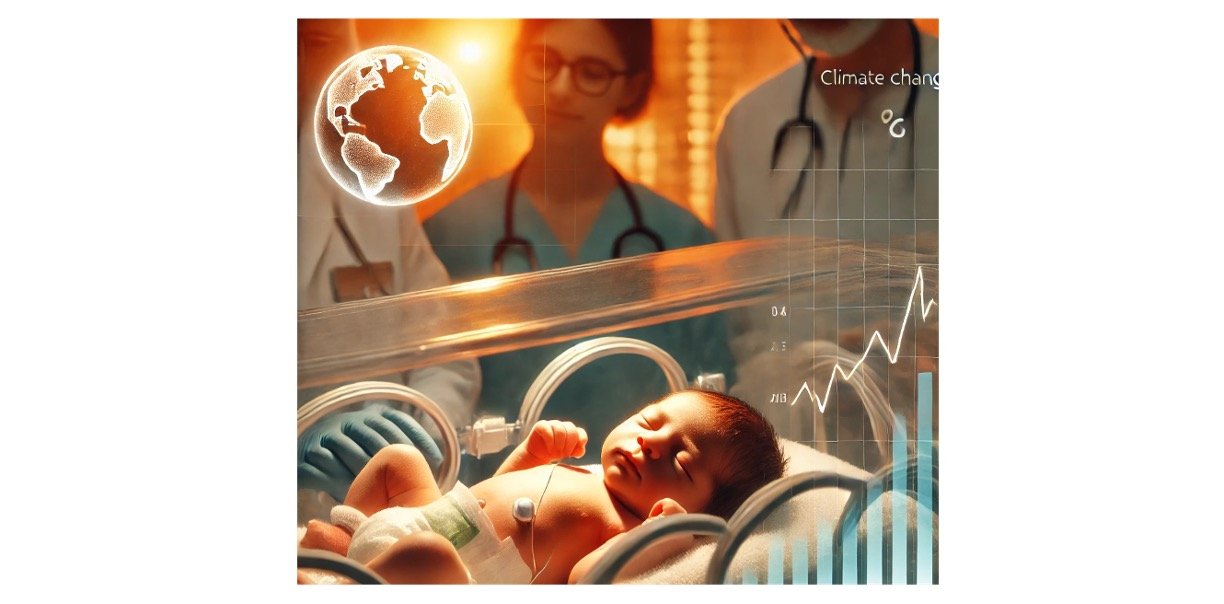
The Impact of Extreme Heat on Newborn Survival in Africa
Extreme heat is increasingly becoming a silent threat to newborn survival, particularly in Africa. Recent research has revealed that rising temperatures are not only undermining child survival gains but also highlighting how climate change exacerbates existing inequalities in child mortality across the continent.
A groundbreaking study analyzing over 880,000 births in 33 African countries found that exposure to extreme heat during pregnancy significantly increases the risk of neonatal death—defined as death within the first month of life. This finding raises critical questions about how climate change is reversing progress in maternal and child health.
Unlike adults, infants have limited ability to regulate their body temperature, making them highly dependent on the health and resilience of their mothers during pregnancy. High temperatures can discourage expectant mothers from attending prenatal check-ups, which are essential for monitoring fetal health, identifying complications, and receiving medical guidance. As heat intensity increases, clinic visits decline, creating what researchers call the “prenatal check-ups prevention” effect.
Mothers who do attend check-ups appear to be less vulnerable, indicating that medical monitoring and guidance during pregnancy can help reduce risks. However, for those who cannot access these services, the consequences can be severe.
Heat also amplifies disease by promoting the growth of harmful bacteria and parasites. Sub-sample analyses showed that households without access to clean drinking water or improved sanitation experience dramatically higher neonatal mortality rates under heat stress. In contrast, families with electricity, clean water, or adequate sanitation are better protected, emphasizing the role of infrastructure and basic services in mitigating climate-related risks.
Interestingly, when researchers tested the effects of unusually cold days, they found no significant impact on neonatal mortality. In Africa’s tropical and dry regions, it is heat—not cold—that poses the greatest threat to newborn survival. This aligns with physiological understanding: high temperatures, especially when combined with humidity, place immense strain on the body’s cooling mechanisms.
However, the burden of extreme heat is not shared equally. Poorer households are disproportionately affected, while wealthier families often have better nutrition, healthcare, and cooling options. Families without electricity face greater risks, as they lack fans or air conditioning. Mothers with less education are also more vulnerable, lacking the health knowledge needed to mitigate the impact of heat.
Urban areas, with stronger infrastructure and hospitals, appear more resilient to the worst effects of heat compared to rural communities. Past studies have linked air pollution and poor sanitation to child mortality in sub-Saharan Africa, but few have precisely traced the impact of climate-driven heat on newborn survival.
This study stands out because it pinpoints the in utero period as the critical window of vulnerability, rather than grouping pre- and postnatal exposure together. By using satellite-based temperature data and household health surveys, it offers one of the most detailed insights into how climate change affects fetal development.
The findings are clear: the dangers of extreme heat are not abstract—they are already undermining Africa’s efforts to meet child survival goals. This calls for urgent policy action. Protecting maternal health must become central to climate adaptation strategies, including expanding access to prenatal care, ensuring safe water and sanitation, improving electricity access in rural areas, and investing in women’s education.
The implications extend beyond individual health. With heat extremes projected to worsen as global warming accelerates, neonatal deaths linked to temperature may rise unless governments and health systems act decisively. Sub-Saharan Africa’s progress in reducing neonatal mortality has already lagged behind South Asia’s, and now, extreme heat threatens to stall it altogether.
The evidence underscores how climate change magnifies inequality. Heatwaves are becoming more frequent and severe, yet adaptation remains limited. Many rural clinics lack electricity, and women continue to labor under punishing sun while pregnant. Public awareness of heat risks is minimal.
Without urgent intervention—such as scaling up prenatal care, expanding rural electrification, and strengthening maternal health systems—the climate crisis could trap Africa’s poorest families in a cycle of preventable infant deaths.
By connecting rigorous data to lived experiences, the study adds weight to calls for climate justice. Africa contributes little to global emissions but bears disproportionate health costs. For policymakers, the message is clear: protecting newborns from the silent killer of extreme heat will require both global action on emissions and immediate investment in frontline health and infrastructure systems.


Comments
Post a Comment