Australia Launches World's First Koala Vaccine to Combat Chlamydia
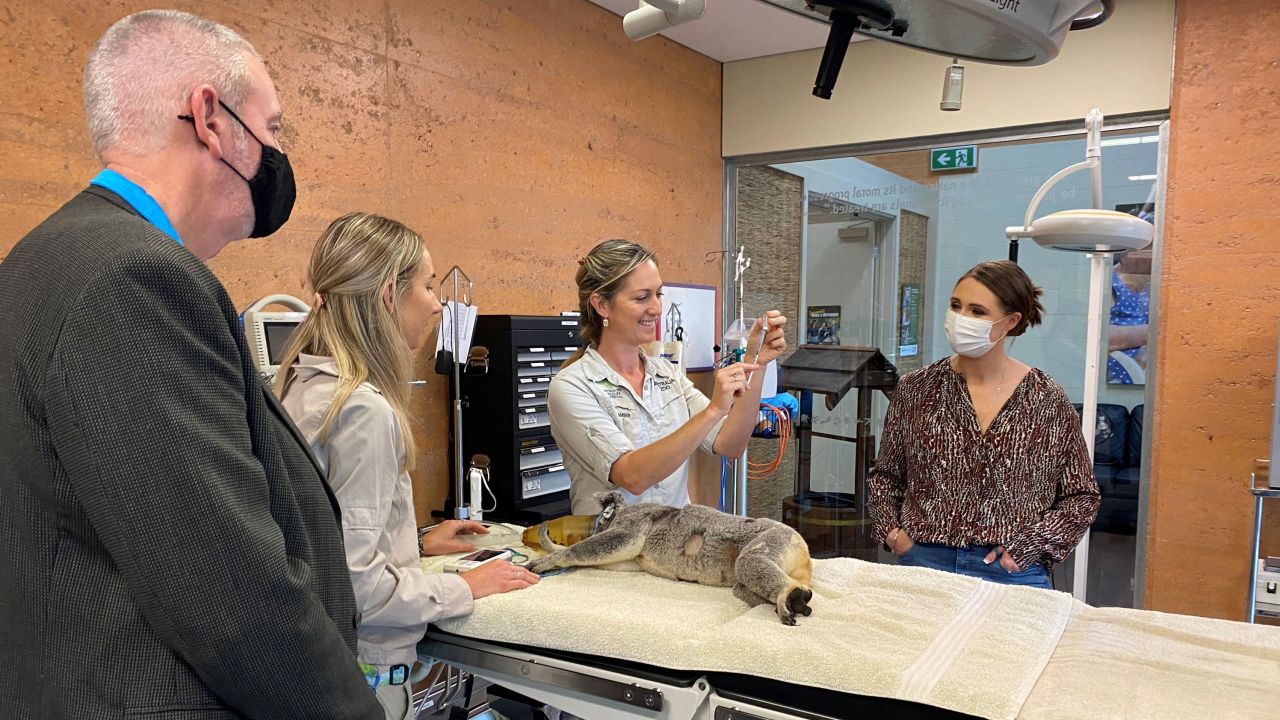
A Breakthrough in Koala Conservation
A significant milestone has been reached in the fight to protect koalas from a deadly disease that threatens their survival. A regulator has approved a world-first vaccine designed to shield koalas from chlamydia infections, which have become a major cause of infertility and death among this iconic species. The vaccine is particularly crucial for koalas listed as endangered in parts of Australia, where they face multiple challenges.
The single-dose vaccine was developed by the University of the Sunshine Coast in Queensland state after over a decade of research led by Professor Peter Timms, a microbiologist. According to the research, the vaccine significantly reduces the likelihood of koalas developing symptoms of chlamydia during their breeding years and decreases mortality from the disease in wild populations by at least 65%.
This recent approval by Australia's veterinary medicine regulator allows the vaccine to be used in wildlife hospitals, veterinary clinics, and in the field. It aims to protect the nation’s most vulnerable koalas, according to Timms, who emphasized the importance of a single-dose vaccine. "We knew a single-dose vaccine — with no need for a booster — was the answer to reducing the rapid, devastating spread of this disease, which accounts for as much as half of koala deaths across all wild populations in Australia," he said.
In certain regions, such as southeast Queensland and New South Wales, infection rates within koala populations are often around 50%, with some cases reaching as high as 70%. These high rates have pushed some individual colonies closer to local extinction.
However, not everyone agrees on the best approach to saving koalas. Deborah Tabart, chair of the Australian Koala Foundation, argues that resources should be focused on preserving koala habitat rather than vaccinating them. She questioned the feasibility of vaccinating 100,000 animals, calling it “ridiculous.” The foundation estimates there are fewer than 100,000 koalas in the wild, while the government-backed National Koala Monitoring Program estimated between 224,000 and 524,000 in 2022.
Tabart acknowledged that chlamydia is a problem but stressed that koalas are sick because they lack suitable habitat. “They’re sick because they haven’t got any habitat,” she said.
Despite these concerns, the Queensland Conservation Council welcomed the vaccine as a positive development. The council's director, Dave Copeman, noted that chlamydia is one of the key stresses affecting koala populations. However, he echoed Tabart’s emphasis on habitat preservation, stating, “Koalas were at risk before chlamydia outbreaks, and they will remain at risk even if we manage chlamydia perfectly, because we keep on destroying their habitat.”
Koalas are classified as endangered in Queensland, New South Wales, and the Australian Capital Territory. Habitat loss due to wildfires and urban expansion remains a primary threat. Chlamydia can lead to urinary tract infections, infertility, blindness, and death. Antibiotic treatment can also disrupt an infected koala's ability to digest eucalyptus leaves, leading to starvation.
The research behind the vaccine has received support from federal, New South Wales, and Queensland governments. Federal Environment Minister Murray Watt highlighted the government’s contribution through the 76 million Australian dollar ($50 million) Saving Koalas Fund. He stated, “We know that koalas need help to fight diseases like chlamydia. It's a widespread threat impacting their reproductive health and causing infertility.”
Koalas are iconic Australian marsupials, known for their unique characteristics, such as spending most of their time eating and sleeping in eucalyptus trees. Their paws have two opposing thumbs, helping them grasp and climb tree trunks. Over the past two decades, Australia’s wild koala populations have declined sharply.
Compounded threats from disease, habitat loss, climate change, and road collisions put koalas at risk of extinction by 2050, according to a 2020 assessment from the New South Wales government. This new vaccine offers hope for the future of these beloved creatures, but conservationists agree that long-term survival depends on addressing both disease and habitat destruction.


Comments
Post a Comment