Keeping Food Fresh and Safe During Long-Distance Shipping
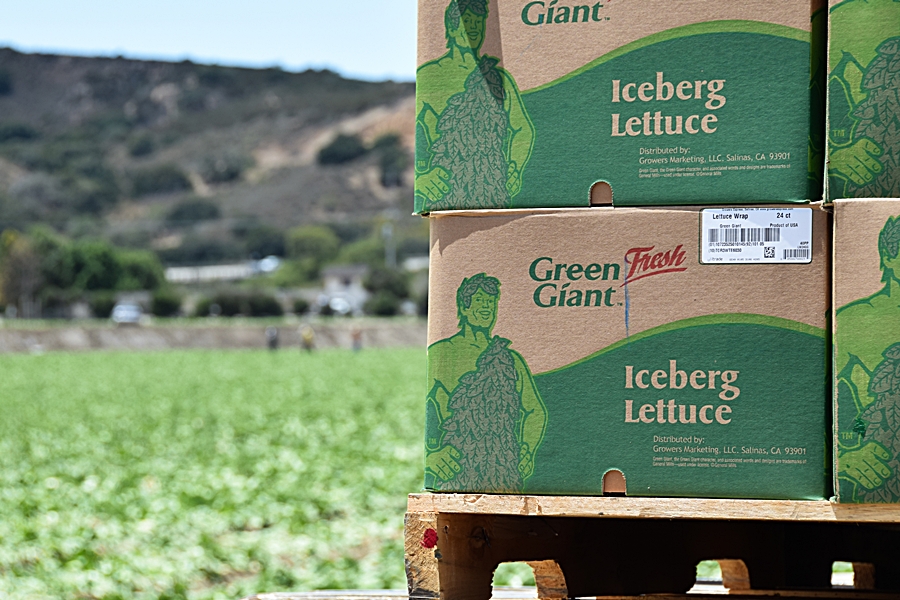
The Complexity of Long-Distance Food Transportation
Transporting food over long distances presents a significant challenge for businesses in the food and beverage industry. Ensuring that products remain fresh, safe, and of high quality throughout the journey is essential. Companies must navigate a variety of logistical and environmental obstacles to meet customer expectations and maintain compliance with safety regulations. With the expansion of global markets and the increasing popularity of online grocery services and meal delivery platforms, the need for dependable solutions has never been more critical.
The Perishable Nature of Food
Food items are inherently delicate and susceptible to spoilage. Even minor temperature changes, inadequate packaging, or delays during transit can lead to significant waste and financial losses. Businesses must balance the dual objectives of preserving product safety and adhering to stringent regulatory requirements. Consumers today demand that their food—whether frozen, chilled, or fresh—arrives in optimal condition, regardless of how far it has traveled.
The Importance of Insulated Containers
One of the most effective tools in addressing these challenges is the use of professional insulated containers. These specialized containers are engineered to maintain stable internal temperatures, even when external conditions fluctuate. They offer several key benefits:
- Temperature Control: Insulated containers help keep food at the required temperature, preventing spoilage.
- Durability: Designed to withstand the rigors of transport, they protect against physical damage.
- Efficiency: By reducing the risk of spoilage, these containers improve supply chain efficiency and reduce waste.
By incorporating this technology into their operations, businesses can significantly lower spoilage rates and enhance their overall performance.
Best Practices for Effective Food Transport
Ensuring food safety during transit involves more than just using the right packaging. It requires a comprehensive approach that includes:
- Temperature Monitoring: Implementing systems to track and maintain appropriate temperatures throughout the journey.
- Efficient Routing: Planning transportation routes to minimize transit time and reduce exposure to extreme conditions.
- Real-Time Tracking: Utilizing technology to monitor the location and condition of shipments in real time.
Additionally, companies must stay compliant with food safety regulations to avoid penalties and potential product recalls. This often involves training staff, maintaining detailed records, and conducting regular audits.
Innovations in Food Logistics
Beyond insulated containers, a range of technological advancements is transforming the way food is transported. These include:
- Smart Sensors: Devices that monitor temperature, humidity, and other environmental factors in real time.
- AI-Driven Analytics: Tools that analyze data to optimize routes, predict potential issues, and improve decision-making.
- Sustainable Packaging: Eco-friendly materials that reduce environmental impact while maintaining product integrity.
These innovations not only support the preservation of food quality but also align with growing consumer preferences for environmentally responsible practices.
The Consequences of Poor Logistics
Failure in food logistics can have serious repercussions for businesses. It may result in lost revenue, wasted inventory, and damage to brand reputation. On the flip side, companies that invest in reliable transportation solutions can build customer trust, reduce operational costs, and create opportunities for growth. In an increasingly competitive market, ensuring that food remains fresh and safe is not just a necessity—it's a key factor in long-term success.
Conclusion
Maintaining the freshness and safety of food during long-distance transportation demands a combination of advanced technology, strategic planning, and high-quality packaging solutions. By leveraging professional insulated containers and adopting proven best practices, businesses can meet customer expectations, reduce waste, and operate more sustainably. As the industry continues to evolve, staying ahead of the curve in food logistics will be essential for continued success.


Comments
Post a Comment