Medical Lab Council Evaluates Maduka University Facilities
Strengthening Professional Standards in Medical Laboratory Science
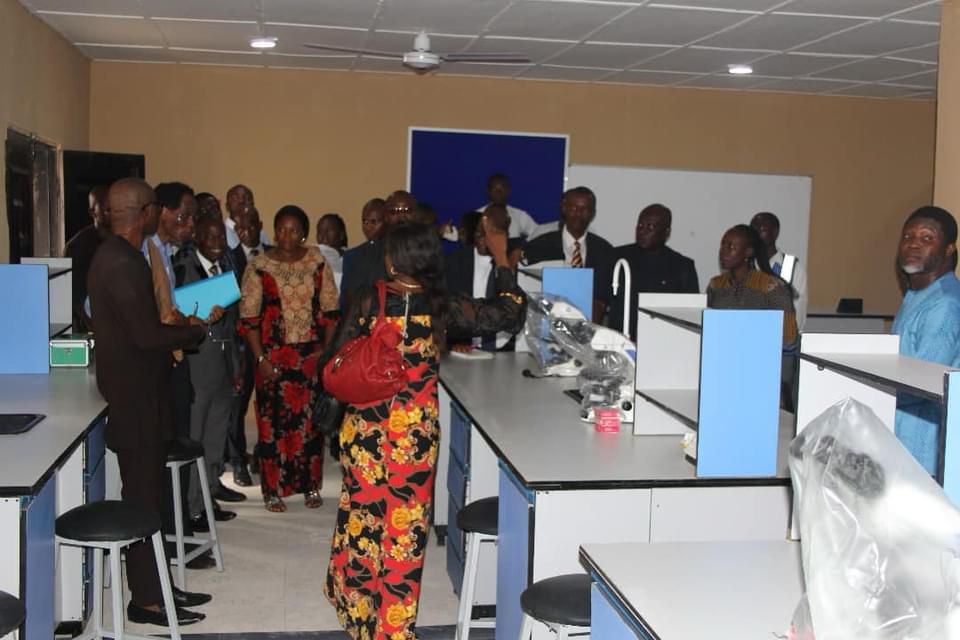
The Medical Laboratory Science Council of Nigeria recently conducted a resource verification visit to Maduka University, located in Ekwegbe-Nsukka. This initiative is part of the council’s ongoing efforts to enhance and maintain high professional standards within the field of Medical Laboratory Science. The visit aimed to evaluate the university's facilities, teaching methods, and overall commitment to training competent laboratory scientists.
A delegation led by Professor Charles Onyenekwe visited the university. The team included Dr Helen Waribo, Mr Stanley Nkemakolam, who serves as the Acting Head of the Department of Medical Laboratory Science at the council, and Mrs Regina Nnadozie, an Assistant Chief from the Department of Education. They were warmly welcomed by several key university officials, including the Chancellor, Dr Samuel Maduka Onyishi; the Vice-Chancellor, Professor Charles Ogbulogo; the Registrar, Mr John Omeje; and lecturers from the Department of Medical Laboratory Science.
Emphasizing the Importance of Medical Laboratory Science
During the visit, the Registrar, Mr Omeje, highlighted the growing significance of Medical Laboratory Science in modern society. He noted that the council’s visit was a clear indication of the profession’s value and potential. Omeje expressed confidence that this exercise would help elevate the department to new levels of excellence.
In his address titled “The Force of Tradition in the Trajectory of Human Development,” the Vice-Chancellor, Professor Ogbulogo, discussed the role of culture and tradition in shaping societies. He explained that the term "culture" originates from the Latin word "cultura," which initially referred to farming and cultivation. Over time, the concept has evolved to encompass the refinement of individuals through education and socialization.
Ogbulogo emphasized that as societies progress, they develop new systems and ideas—such as religion, government, and regulatory bodies—that aim to establish legitimacy and relevance. He expressed satisfaction with the council's dedication to advancing Medical Laboratory Science in Nigeria and assured the visitors that the university remains committed to upholding the profession's values and traditions.
A Commitment to Quality Education
The Chancellor, Dr Onyishi, shared his personal journey in education and medical sciences, attributing it to a lifelong commitment he made to God. He expressed enthusiasm about the developing partnership between Maduka University and the Medical Laboratory Science Council of Nigeria. Onyishi reiterated the university's dedication to delivering quality service across all levels of operation.
He also hinted that the Maduka University Teaching Hospital in Nsukka would soon become operational, expressing hope for the success of the Medical Laboratory Science team during their assignment.
Ensuring High Standards in Training
In response to the visit, the team leader, Professor Onyenekwe, thanked the university for its warm reception. He outlined the purpose of the visit, which was to assess the department and provide guidance to improve its operations. Onyenekwe stressed the critical role of laboratory scientists in supporting physicians’ diagnoses. He warned that poorly trained scientists could lead to incorrect medical decisions.
He emphasized the council’s responsibility to ensure that institutions meet established benchmarks to minimize errors in both training and practice. After inspecting the facilities of the Department of Medical Laboratory Science, Onyenekwe commended the university for implementing structures that meet the provisional minimum academic standards for training.
He assured all stakeholders that the Medical Laboratory Science Council of Nigeria will continue to collaborate with Maduka University to ensure the delivery of high-quality training for future medical laboratory scientists. This partnership reflects a shared vision of excellence and a commitment to the advancement of the profession.


Comments
Post a Comment