Nigeria's 'See Finish'
Understanding the Phenomenon of Mass Hysteria
It was an ordinary day at a clinic when a young girl arrived, her face pale and her relatives visibly anxious. The girl had fresh bruises and lacerations on her upper arms, and her family shared a story that was both disturbing and strange. A mysterious woman had entered their home uninvited, and shortly after, the girl suffered these injuries. Even more alarming was the girl’s claim that she hadn’t urinated or passed stool for forty days. Her family believed her without question.
An ultrasound revealed a distended bladder, which was relieved through catheterization. But how could someone go without using the bathroom for 40 days and then walk into a clinic without any issues? A psychiatrist later diagnosed the case as mass hysteria, also known as conversion disorder or mass psychogenic illness.
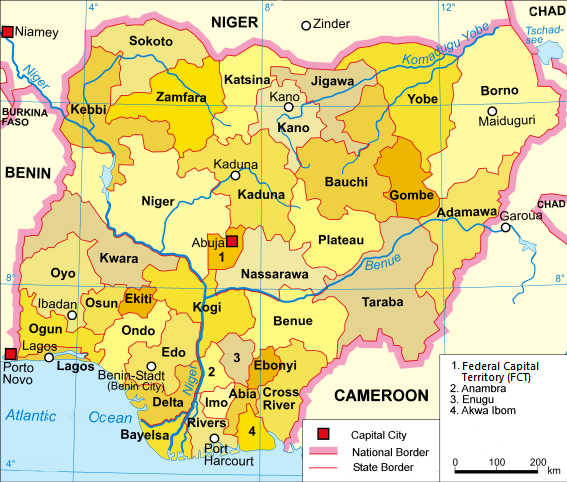
For many, the term "mass hysteria" sounds outdated, reminiscent of medieval times. However, its effects are very real and continue to occur in areas where cultural anxieties, social pressures, and limited mental health resources intersect. In Kano, there have been multiple instances of such occurrences, from sudden collapses in classrooms to recent reports of 'disappearing private parts' after a handshake. This latest episode is just another chapter in a long history of similar events.
Mass hysteria is not about deception. The girl with the distended bladder was not faking her symptoms; she was experiencing real physical manifestations of psychological distress. When fear takes hold in a community, the mind can influence the body in unexpected ways, leading to fainting spells, temporary paralysis, rashes, and gastrointestinal issues. In tight-knit communities, these experiences spread quickly, with one person's symptoms becoming another's reality, reinforced by gossip, religious interpretations, and a lack of alternative explanations.
In societies where illness is often interpreted through spiritual or supernatural lenses, mass hysteria finds fertile ground. A stranger's presence can trigger cascading symptoms; minor injuries might be seen as sinister, and a period of constipation or urinary retention could be remembered as lasting 'forty days' due to the symbolic weight of the story. The human brain, susceptible to suggestion, completes the narrative.
Northern Nigeria is not alone in experiencing episodes of mass hysteria. Globally, cases have been documented: schoolgirls fainting en masse in rural Malawi, factory workers in Malaysia convinced that spirits had invaded their workplace, and young men in parts of West Africa fearing genital disappearance after a handshake. In 1962, hundreds of schoolgirls in Tanzania were caught in a laughing epidemic that lasted months. In the 1980s, American factories reported 'mystery illnesses' linked to rumors of toxic leaks. Even in modern, industrialized societies, collective fear has led to spikes in unexplained illness.
The key difference lies in how societies respond. Strong health systems and trust in science lead to short-lived episodes, while fear allowed to dominate can cause hysteria to linger and resurface in new forms. These cases share common factors: poverty, insecurity, cultural scripts (such as beliefs in spiritual interference or witchcraft), and weak health systems due to limited access to mental health care and trusted explanations.
In Nigeria, these factors are prevalent. Families face economic hardship, women and children carry the burden of limited agency, and rumors spread faster than our derailed Abuja-Kaduna train. Distrust of formal health systems, often seen as expensive, impersonal, or dismissive, creates a breeding ground for collective anxiety that can erupt into collective illness.
It is tempting to dismiss these cases as curiosities or fabrications, but the cost of silence is high. For the girl in the clinic, a distended bladder could have led to kidney damage if left untreated. For others, the consequences are social: young women stigmatized as 'possessed,' families torn apart by suspicion, or communities fractured by fear of invisible enemies.
There is also a deeper, more insidious cost: every time a case of mass hysteria is explained away as 'mysterious,' trust in science erodes further. When doctors fail to engage communities in meaningful dialogue, the narrative is quickly seized by rumour mongers, marabouts, pastors, and even 'Islamic chemists.' In that vacuum, fear thrives.
Addressing the Root Causes
The first line of defense against mass hysteria is not the hospital but the community. People need spaces where fears can be aired and gently corrected. Religious and traditional leaders, who command trust, must be engaged as partners in disseminating accurate information. Explaining that the mind can cause real physical symptoms without dismissing the sufferer's experience is crucial.
Nigeria's mental health system is desperately underfunded. For every case that reaches a psychiatrist, you can be assured that dozens more languish in silence or are treated with suspicion. Training doctors, nurses, and community health workers to recognize and manage conversion disorders is essential. Mental health must stop being the 'stepchild' of our health agenda.
Our media also has a responsibility. Sensational headlines often fan the flames of fear. Especially in this age where social media followers are the new currency. Stories of 'mysterious strangers' and 'invisible injuries' are given front-page coverage without context. Journalists must learn to report responsibly, seeking expert opinions before amplifying fear. Media houses that profit from panic bear responsibility for the anxiety they spread.
Schools can play a preventive role by incorporating health literacy into their curricula, teaching students not only about malaria and typhoid but also about the power of the mind and stress. Young people are particularly vulnerable to mass hysteria.
We must also train our doctors not just to diagnose but to listen. Too often, people with these claims are dismissed as 'crazy' and waved off. We must stop hiding under the guise of being overworked and underpaid. Let us all learn to do our jobs well.


Comments
Post a Comment