Pancreatic Tumor Vanishes Using Immune-Drug Combo Therapy
A Breakthrough in Pancreatic Cancer Treatment
Patients suffering from severe cancer often turn to large hospitals in Seoul for treatment. However, recent developments have shown that regional hub hospitals are also achieving remarkable results. One such case involves a 53-year-old woman who successfully underwent treatment for metastatic stage 4 pancreatic cancer at a regional hospital.
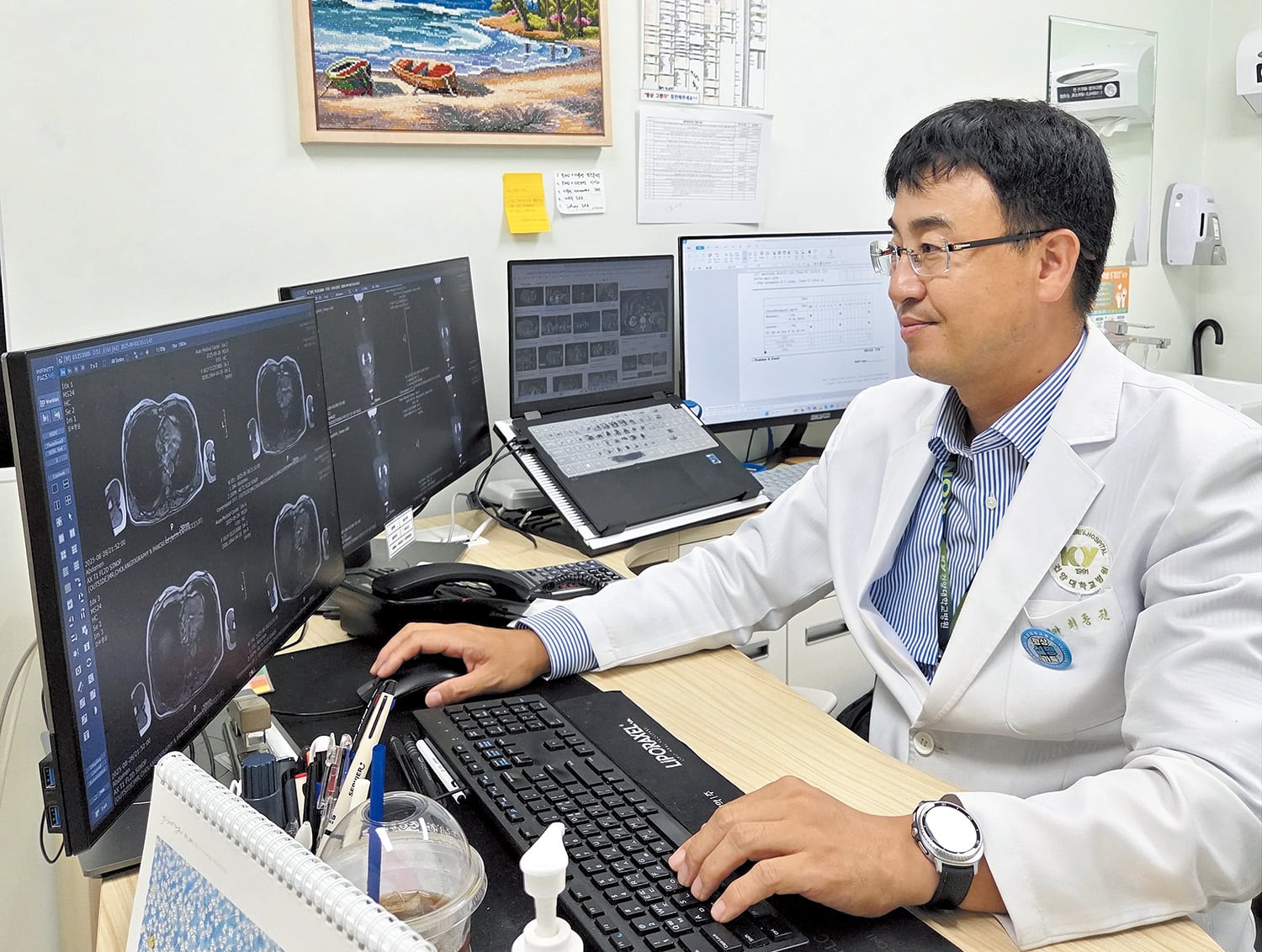
Professor Choi Jong-kwon, from the Department of Hematology-Oncology at Konyang University Hospital, shared the findings of a study involving this patient. The case highlights the potential of combining traditional anticancer therapies with innovative immune cell treatments.
The patient was diagnosed with stage 4 pancreatic cancer, which means the disease had already spread to other parts of the body, making surgery an impossible option. Pancreatic cancer is known for being one of the most challenging cancers to treat, with the lowest survival rate among all types of cancer. In advanced stages, the cancer cells have typically spread to other organs, further complicating treatment options.
To address this, Professor Choi introduced a combination therapy that included the immune cell therapy drug ‘Immuncell-LC’ alongside the standard treatment for metastatic pancreatic cancer, which consists of gemcitabine and Abraxane. The patient received a total of 17 doses of Immuncell-LC between June 2024 and May 2025. Following this treatment, CT scans revealed a significant outcome: the tumor had disappeared.
While radiological tumor disappearance does not guarantee a complete cure, it is a positive sign. Professor Choi noted that the patient has been able to continue treatment for over a year without developing resistance to the anticancer drugs, which is a promising result compared to previous clinical trial outcomes. He emphasized that the combination therapy demonstrated significant effectiveness, and the low side effects allowed for prolonged administration of the drugs.
One of the most notable improvements was the patient’s quality of life. When she first came to the hospital, she experienced severe fatigue and struggled with eating. After the treatment, her condition improved dramatically. She is now able to go out with her family and lead a normal daily life.
Professor Choi highlighted that this case illustrates the potential of integrating cell therapy with conventional anticancer treatments. He stressed the importance of researching new treatment methods to extend patients' lives. According to him, it is the responsibility of medical professionals to explore innovative approaches and ensure that patients can maintain a healthy lifestyle while undergoing treatment.
This case serves as a beacon of hope for patients with advanced pancreatic cancer and underscores the importance of continued research in the field of oncology. With advancements in treatment strategies, there is growing optimism that more patients will benefit from innovative therapies that improve both survival rates and quality of life.


Comments
Post a Comment