Revolutionizing Cancer Care: Radiotherapy in Rwanda
The Rise of Radiotherapy in Rwanda: A Lifeline for Cancer Patients
Since 2018, radiotherapy has become a critical component of cancer treatment in Rwanda, allowing patients to receive care closer to home. Before this development, many individuals had to travel to neighboring countries like Uganda or Kenya for treatment. Today, the Rwanda Cancer Centre (RCC) at the Rwanda Military Referral and Teaching Hospital in Kanombe provides essential radiotherapy services, supporting patients with various types of cancer.
Dr. Theoneste Maniragaba, Director of the Cancer Programme at the Rwanda Biomedical Centre (RBC), highlights that approximately 60% of cancer patients globally require radiotherapy at some point during their treatment. This form of therapy can be used as a primary treatment, combined with surgery or chemotherapy, or as part of palliative care to alleviate symptoms and improve quality of life.
Advancements in Local Treatment
Prior to 2018, patients often faced the challenge of being referred to foreign facilities. The introduction of radiotherapy in Rwanda significantly reduced this dependence and improved timely access to treatment. Radiotherapy is a targeted approach that focuses on specific areas of the body, helping to shrink tumors before surgery, enhance the effectiveness of chemotherapy, and relieve symptoms such as pain or bleeding caused by advanced cancers.
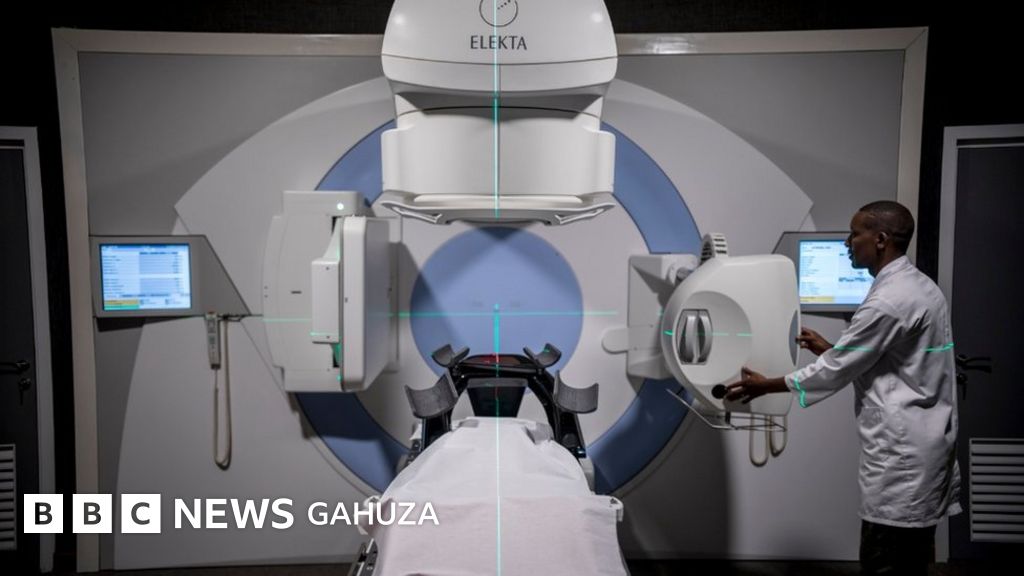
Currently, radiotherapy is utilized for Rwanda’s most common cancers, including cervical, breast, prostate, liver, gastric, and colorectal cancers. This progress was made possible through a collaboration between the Ministry of Health, RBC, Partners In Health (PIH), and international partners. As part of these efforts, Rwanda installed two linear accelerator machines (LINACs), which are advanced tools for delivering targeted radiation therapy. Additionally, the country trained medical physicists, radiation oncologists, radiotherapists, and support staff to ensure the safe operation and maintenance of the technology.
Affordability and Insurance Coverage
Affordability has long been a significant barrier for patients undergoing radiotherapy. Previously, a single session cost around Rwf 6,000, but after the cabinet approved updated health service tariffs in January, the fee was revised to Rwf13,600. Under the community-based health insurance scheme (Mutuelle de Santé), which covers 90 to 95 percent of Rwandans, patients now pay only about 10 percent of the cost, roughly Rwf1,360 per session.
This change has made treatment more accessible, especially considering that a full course of 30 sessions could previously cost over Rwf270,000. With the new tariffs, patients can now afford the necessary care. Furthermore, chemotherapy will soon be added to the national cancer benefit package, further easing the financial burden on patients.
Capacity and Access Challenges
Despite these advancements, access to radiotherapy remains limited in Rwanda. The country currently has only one treatment center in Kigali and two machines. According to the International Atomic Energy Agency (IAEA), one radiotherapy machine should be available for every one million people. With a population of about 13 million, Rwanda would need at least 13 machines. Right now, the capacity is far below this recommendation.
The waiting period for treatment can stretch to three months, but the goal is to reduce this to one month by adding more machines and staff. Each machine can treat about 80 patients per day under normal conditions, but with extended shifts, the number can rise to 120. If resources allowed for round-the-clock operations, one machine could handle up to 180 patients daily.
Plans for Expansion
To address the shortage, the Ministry of Health has outlined a five-year plan to expand radiotherapy services. This includes setting up new treatment centers in Butaro in the north and another in the south, with plans to expand to the western and eastern provinces over time. These new centers will help serve patients from different regions, while Kigali continues to support the central and eastern areas.
Rwanda also faces a shortage of specialized staff. Training more medical physicists, radiation oncologists, and technologists is part of the Ministry of Health’s 4x4 strategy to improve care. However, expanding radiotherapy capacity comes with significant costs. A single linear accelerator machine costs around $2.5 million, or approximately Rwf 3.6 billion. These machines are expensive and require regular maintenance, making expansion a complex challenge.
As Rwanda continues to invest in its healthcare infrastructure, the focus remains on improving access to life-saving treatments like radiotherapy, ensuring that more patients can receive the care they need without traveling abroad.


Comments
Post a Comment