South Korea Classifies Nipah Virus as Top-Level Disease
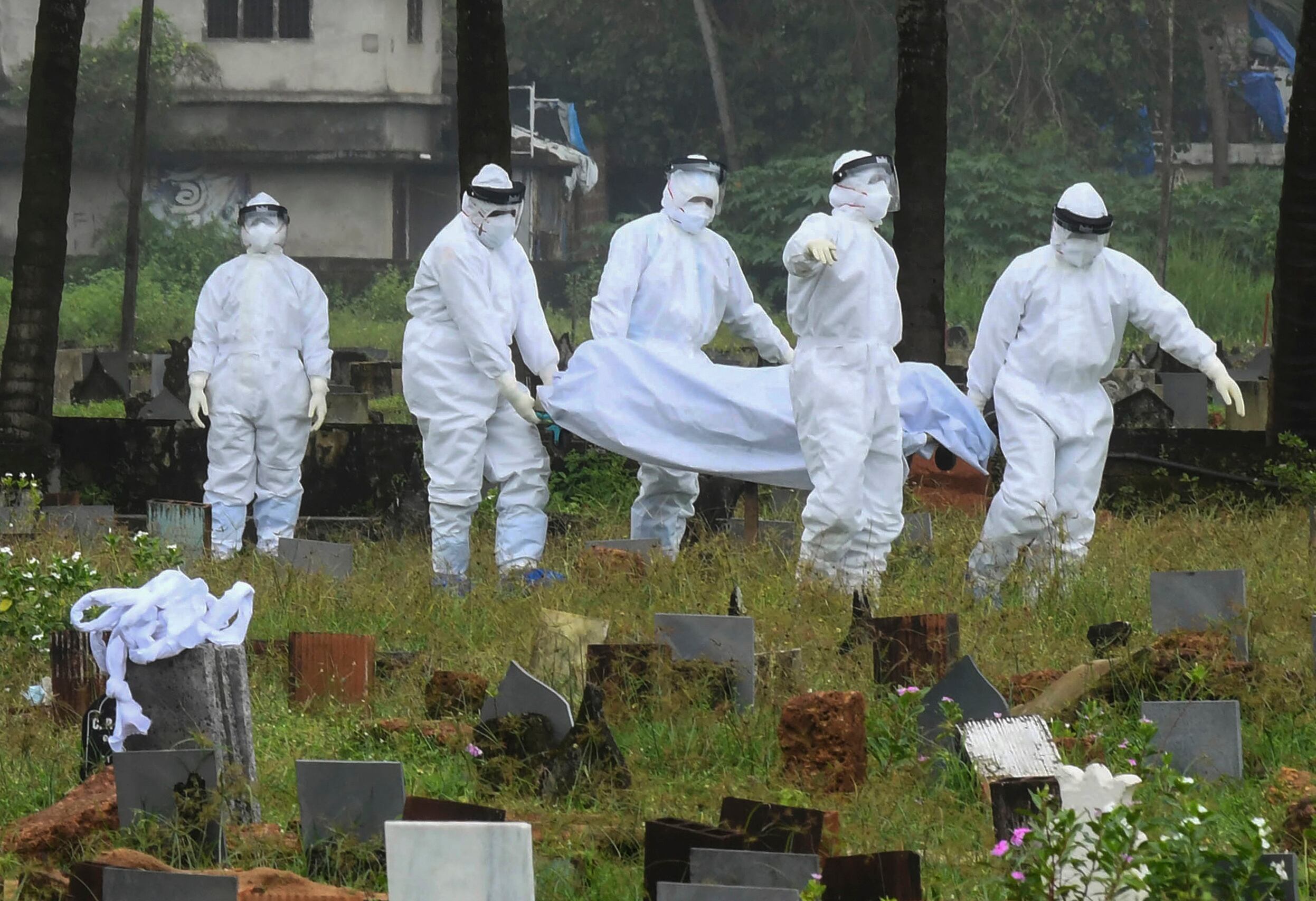
Nipah Virus: A Lethal Threat Receiving New Attention
The Nipah Virus, a zoonotic disease with a fatality rate as high as 75% and no known effective treatment, has recently been classified as a Level 1 legally notifiable infectious disease. This classification marks the first time in five years that such a designation has been made, following the initial classification of COVID-19 in January 2020.
According to recent announcements, the Korea Disease Control and Prevention Agency (KDCA) has updated its categorization of infectious diseases. The Nipah Virus is now considered a Level 1 disease, which means that patients diagnosed or suspected of being infected will be subject to strict public health measures. These include mandatory reporting, isolation, contact tracing, and comprehensive epidemiological investigations. This decision follows the downgrading of COVID-19 from Level 1 to Level 2 in April 2022 and further to Level 4 in August 2023.
Under the Infectious Disease Control and Prevention Act, legally notifiable infectious diseases are divided into four levels based on their severity and transmission risk. Level 1 includes diseases that pose a significant threat to public health, such as those with high fatality rates or potential for large-scale outbreaks. Currently, this category includes diseases like Ebola Virus Disease, anthrax, plague, Severe Acute Respiratory Syndrome (SARS), and Middle East Respiratory Syndrome (MERS). With the addition of Nipah Virus, the number of Level 1 diseases has increased to 18.
Understanding Nipah Virus
Nipah Virus is a zoonotic disease that can affect both humans and animals. It has a high fatality rate, with up to 75% of infected individuals succumbing to the illness. The incubation period typically lasts between 5 to 14 days, after which symptoms such as high fever and headache may appear. These symptoms can persist for 3 to 14 days and may progress to lethargy, dizziness, and mental confusion. In severe cases, encephalitis, seizures, and coma can develop within 24 to 48 hours.
Currently, there is no vaccine available for Nipah Virus, and treatment options are limited to managing symptoms through antiviral medications. The virus was initially thought to spread from pigs, leading to it being called "swine fever." However, subsequent research identified fruit bats as the primary carriers. Due to habitat destruction, these bats have migrated to areas near pig farms, where they transmit the virus to pigs and subsequently to humans.
Transmission and Global Impact
Date palm trees, commonly found in Southeast Asia, have become a major route of transmission. Bats that feed on fruits from these trees often come into contact with pigs and humans, facilitating the spread of the virus. First identified in Nipah, Malaysia, in 1998, the virus caused over 100 deaths in the country within a year. Since then, it has claimed more than 220 lives, primarily in India.
Although no cases have been reported in South Korea, the KDCA has designated India and Bangladesh as quarantine-managed regions due to ongoing annual outbreaks in these countries. This classification underscores the need for vigilance and proactive measures to prevent the spread of the virus.
Preventive Measures
Prevention remains the most critical aspect of combating Nipah Virus. The KDCA has issued guidelines for travelers visiting high-risk countries, emphasizing the importance of avoiding contact with fruit bats, sick pigs, or other animals. Travelers are also advised to refrain from consuming raw date palm sap or fallen fruits. Additionally, they should avoid direct contact with the blood or bodily fluids of infected patients.
Basic hygiene practices are essential. Travelers should wash their hands with soap and water for at least 30 seconds and avoid touching their eyes, nose, or mouth with unwashed hands. These simple yet effective measures can significantly reduce the risk of infection and help prevent the spread of the virus.


Comments
Post a Comment