Stunning Lunar Eclipse to Light Up Pakistan Soon
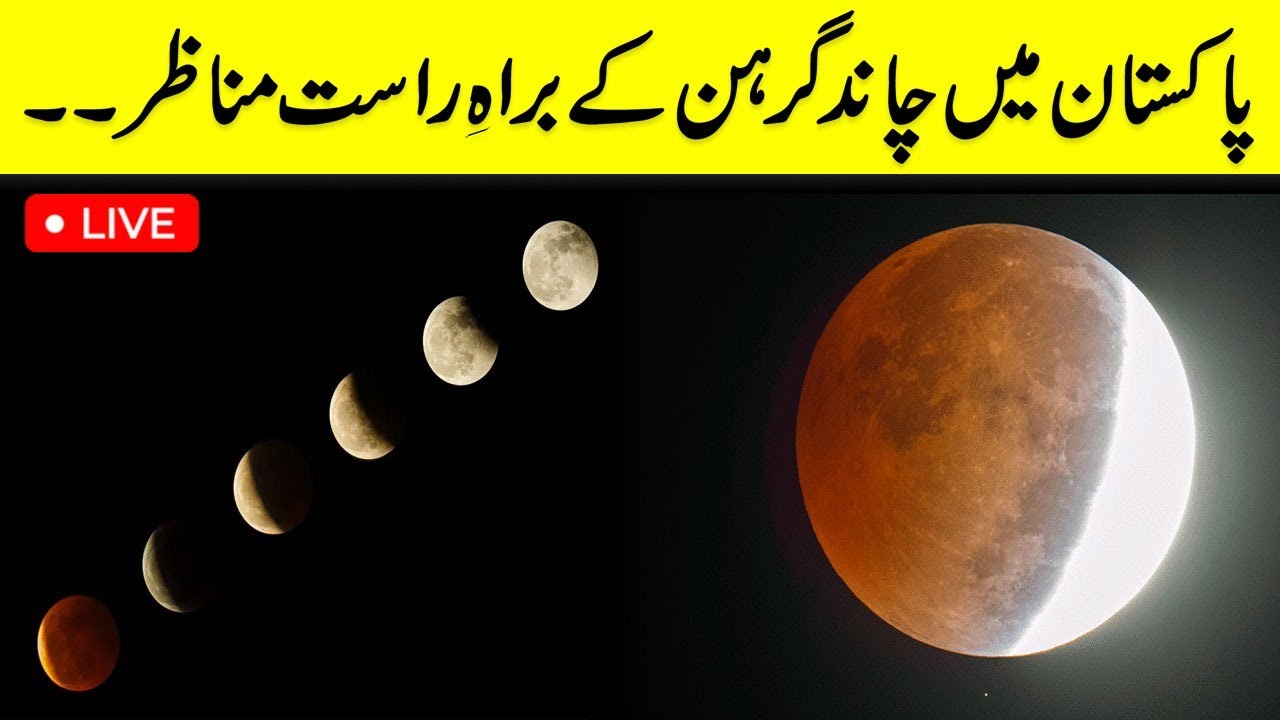
A Rare Celestial Event: Total Lunar Eclipse Over Pakistan
On the night of September 7 and 8, 2025, Pakistan will witness the year's second and final total lunar eclipse. This extraordinary astronomical event is expected to captivate skywatchers across the nation and beyond. The eclipse will begin with the moon dimming at 8:28 PM, followed by a partial eclipse starting at 9:27 PM. The total eclipse is set to commence at 10:31 PM, reaching its peak at 11:12 PM, and gradually ending at 11:53 PM. The partial eclipse will conclude at 12:57 AM, with the entire event wrapping up by 1:55 AM.
This celestial phenomenon will not be limited to Pakistan alone. It will be visible in various parts of the world, including Europe, Asia, Australia, Africa, western regions of North America, eastern parts of South America, and areas over the Pacific, Atlantic, Indian Oceans, the Arctic, and Antarctica. The global visibility of this eclipse makes it one of the most anticipated astronomical events of the year, drawing attention from stargazers around the globe.
During the total eclipse, the moon will take on a striking red hue, often referred to as a "Blood Moon." This dramatic transformation occurs when Earth's shadow covers the moon, filtering sunlight and scattering shorter wavelengths while allowing red light to pass through. As a result, the moon glows with an enchanting red shade, offering viewers a rare opportunity to witness nature's artistry in the night sky.
In addition to the lunar eclipse, another celestial event is also scheduled for this month. The second and final partial solar eclipse of 2025 will occur between September 21 and 22. However, this solar eclipse will not be visible in Pakistan. Observers in southern Australia, the Pacific Ocean, the Atlantic Ocean, and Antarctica will be able to witness the phenomenon. While Pakistan misses out on this solar eclipse, the lunar spectacle promises to be a memorable event.
For stargazers in Pakistan, this weekend offers a unique chance to admire a stunning cosmic performance without the need for telescopes or advanced equipment. The lunar eclipse will be visible to the naked eye, making it accessible for all astronomy enthusiasts and curious onlookers. With favorable weather conditions, the night sky promises to deliver a magnificent view, ensuring that the event becomes a memorable highlight for people across the country.
Key Details of the Lunar Eclipse
- Date: September 7 and 8, 2025
- Start of Dimming: 8:28 PM
- Partial Eclipse Begins: 9:27 PM
- Total Eclipse Begins: 10:31 PM
- Peak of Total Eclipse: 11:12 PM
- End of Total Eclipse: 11:53 PM
- End of Partial Eclipse: 12:57 AM
- Conclusion of Entire Event: 1:55 AM
Global Visibility
The lunar eclipse will be visible in several regions, including:
- Europe
- Asia
- Australia
- Africa
- Western parts of North America
- Eastern parts of South America
- Areas over the Pacific, Atlantic, and Indian Oceans
- The Arctic and Antarctica
What Makes This Event Special?
The "Blood Moon" effect during a total lunar eclipse is a result of the Earth's atmosphere refracting sunlight. This natural phenomenon creates a breathtaking red glow on the moon, making it a visually stunning sight for observers. The event is not only a scientific marvel but also a cultural and historical moment, as lunar eclipses have been observed and recorded for centuries.
Preparing for the Event
Stargazers are encouraged to find a clear, open space away from city lights for the best viewing experience. While no special equipment is required, binoculars or a telescope can enhance the view. Weather conditions will play a crucial role in the visibility of the eclipse, so checking local forecasts is advisable.
Conclusion
The total lunar eclipse on September 7 and 8, 2025, presents a rare and unforgettable opportunity for people in Pakistan and around the world to witness a celestial wonder. Whether viewed with the naked eye or through optical aids, this event is sure to inspire awe and curiosity about the universe. As the moon transforms into a "Blood Moon," it serves as a reminder of the beauty and complexity of our solar system.


Comments
Post a Comment