Symptoms to Treatment: Everything You Need to Know About Mpox
Understanding Mpox: Causes, Symptoms, and Prevention
Mpox is a viral disease that primarily affects humans and various mammals such as cats, rodents, and cows. It was previously known as monkeypox and is commonly found in Africa, although outbreaks have been reported in other regions of the world as well.
History of Mpox
The first recorded case of mpox occurred in 1970, involving a nine-month-old baby in the Democratic Republic of Congo. The virus itself was first identified in 1958 in Denmark, among monkeys used for research purposes.
In 1980, the disease began to spread more widely across East, Central, and West Africa. Since then, it has remained a significant health issue, with thousands of cases reported annually in countries like the Democratic Republic of Congo since 2005. Nigeria also has a long history with mpox, having recorded its first case in 1971. A resurgence occurred in 2017, making it a persistent public health concern in the country.
Recent reports indicate that mpox has been confirmed in Ondo State, Nigeria. Affected areas include Akoko South-West, Akoko North-West, Akoko North-East, Owo, Akure South, Akure North, Ondo East, and Odigbo.
Symptoms of Mpox
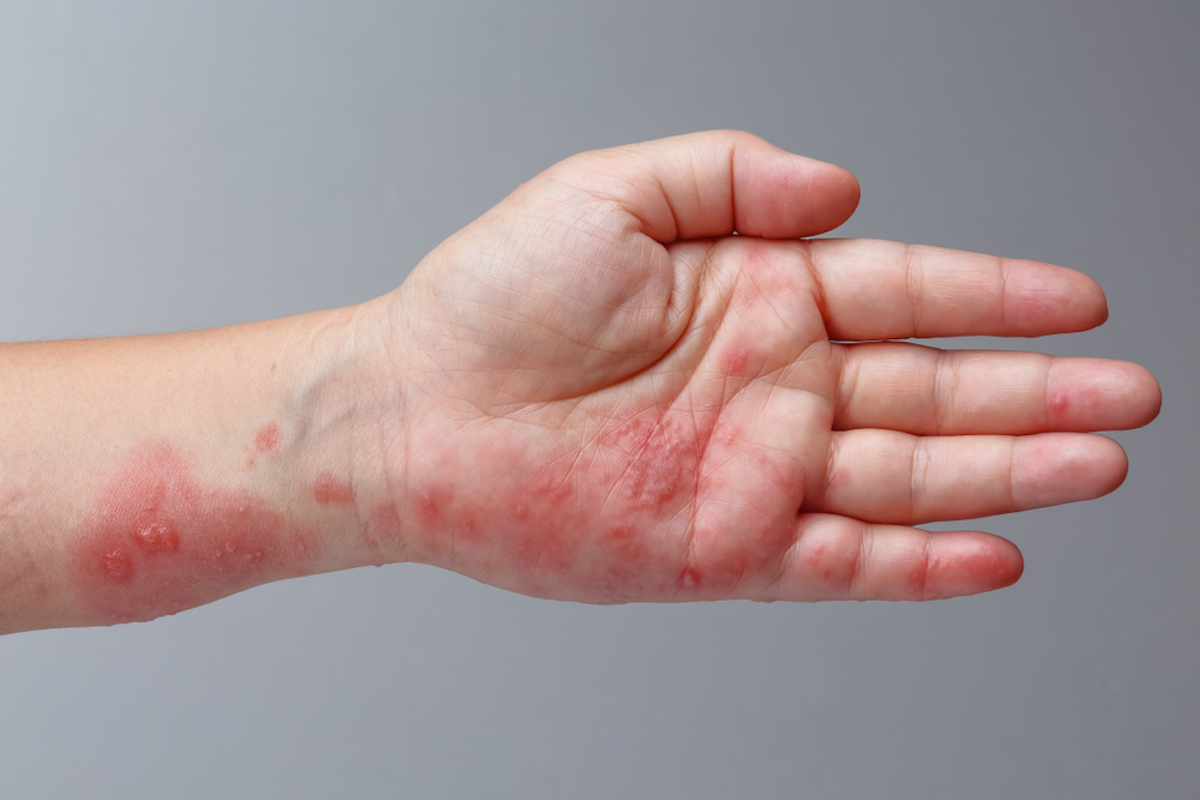
Mpox can present with a range of symptoms, including:
- Headache
- Fever
- Fatigue
- Swollen lymph nodes
- Rash
- Muscle aches
- Sore throat
- Low energy
These symptoms may appear within a few days of exposure to the virus and can last for several weeks.
Transmission of Mpox
The virus can be transmitted through various means, including:
- A pregnant woman passing the infection to her fetus during childbirth
- Contact with the saliva, mucus, or blood of an infected person or animal
- Touching clothing, towels, or bedding used by an infected individual
- Consuming meat from an infected animal
- Direct skin-to-skin contact
- Kissing or cuddling with an infected person
It is important to note that the virus spreads most easily through close contact with an infected individual or contaminated materials.
Treatment Options
There is no specific cure for mpox, but antiviral medications such as cidofovir or tecovirimat may be prescribed to help manage the illness. In some cases, antibody treatments may also be used. These treatments are typically recommended for individuals at higher risk of severe complications, such as those with weakened immune systems.
Preventive Measures
Prevention plays a crucial role in controlling the spread of mpox. The most effective way to prevent the disease is through vaccination. Additional preventive measures include:
- Avoiding direct contact with rashes, scabs, or blisters caused by mpox
- Washing hands frequently, especially after coming into contact with potentially contaminated surfaces
- Keeping a safe distance from individuals or animals known to be infected
- Refraining from using clothes or personal items belonging to an infected person
Public awareness and education about the disease are essential in reducing the risk of transmission and ensuring timely treatment.
Conclusion
Mpox remains a significant public health challenge, particularly in regions where it is endemic. Understanding its causes, symptoms, transmission methods, and prevention strategies is vital in mitigating its impact. As new cases continue to emerge, ongoing efforts to educate communities, improve surveillance, and promote vaccination are key to controlling future outbreaks.


Comments
Post a Comment