TEPCO Launches 15th Fukushima Water Discharge
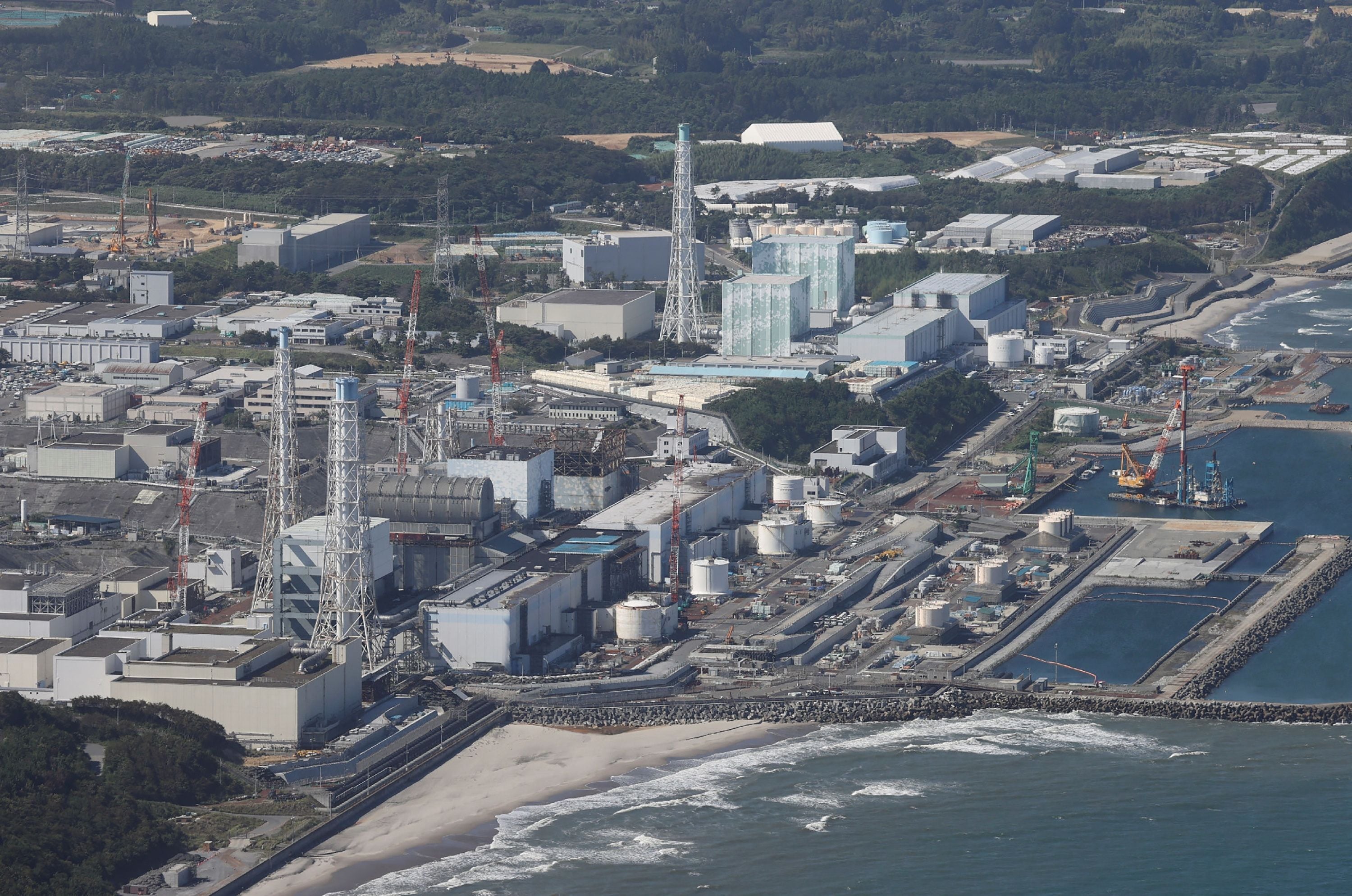
TEPCO Begins 15th Release of Treated Radioactive Water from Fukushima
Tokyo Electric Power Company (TEPCO) has announced the start of its 15th release of treated radioactive water from the Fukushima Daiichi Nuclear Power Plant on the 11th. This decision was made public by the Prime Minister’s Office on the 10th, marking another step in the ongoing process of managing contaminated water from the 2011 nuclear disaster.
The government has been closely monitoring these discharges, which began in 2023. Kim Young-soo, First Vice Minister of the Office for Government Policy Coordination, provided a detailed briefing on the matter. According to the announcement, the tritium concentration in the water scheduled for the 15th discharge is 210,000 becquerels per liter (Bq/L). However, TEPCO plans to dilute this water with seawater to ensure the concentration remains below 1,500 Bq/L before it is released into the ocean.
Kim also confirmed that all radioactive elements, including tritium, in the treated water are within acceptable discharge standards. This statement highlights the company's commitment to following strict guidelines to minimize environmental impact.
Process of Managing Contaminated Water
Since the 2011 Fukushima Daiichi Nuclear Power Plant accident, TEPCO has stored large volumes of radioactive-contaminated water generated during the cleanup efforts. To manage this, the company has used the Advanced Liquid Processing System (ALPS) to filter out radioactive materials. After this treatment, the water has been released into the ocean in batches since August 24, 2023. The upcoming 15th release marks the continuation of this process.
The government has emphasized the importance of ensuring that TEPCO accurately measures the concentration of radioactive elements in the treated water. This is crucial for maintaining transparency and public trust in the safety of the process.
International Oversight and Monitoring
To verify the accuracy of TEPCO’s measurements, the International Atomic Energy Agency (IAEA) has been conducting both 'confirmatory monitoring' and 'supplementary monitoring' of the marine environment near the Fukushima plant. These activities have been ongoing since the 2nd.
For confirmatory monitoring, analytical institutions from South Korea, Switzerland, France, and the IAEA are observing TEPCO’s sampling processes for seawater, seabed sediment, seaweed, and fish. This ensures that the data collected by TEPCO is reliable and consistent with international standards.
In addition, for supplementary monitoring, institutions from South Korea, Switzerland, China, Russia, New Zealand, and the IAEA are directly collecting seawater and fish samples. These samples are then analyzed to measure the concentrations of radioactive materials, providing an independent verification of TEPCO’s findings.
Ongoing Commitment to Safety and Transparency
The continued release of treated radioactive water from the Fukushima Daiichi Nuclear Power Plant underscores the complex and long-term nature of the cleanup efforts. While the process is essential for managing the vast amounts of contaminated water, it also requires rigorous oversight and international cooperation to ensure that environmental and public health standards are met.
As the 15th release approaches, the focus remains on maintaining transparency, accuracy, and accountability in every step of the process. The collaboration between TEPCO, the Japanese government, and international organizations like the IAEA plays a critical role in upholding these principles.


Comments
Post a Comment