The prison economy: Profit behind bars
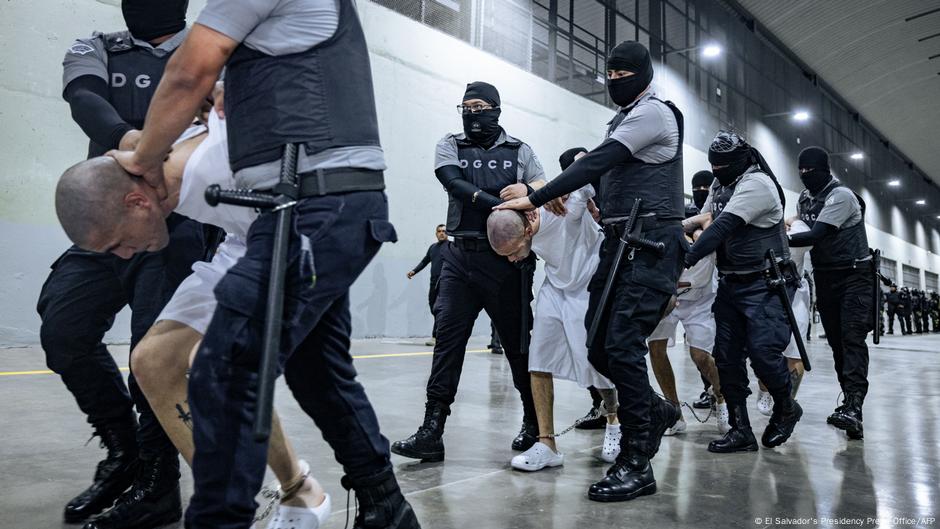
The Hidden Economy of Incarceration
The global prison system is a multi-billion-dollar industry, with governments spending hundreds of billions annually to maintain incarceration facilities. However, this investment often yields minimal returns in terms of rehabilitation and crime reduction. Instead, behind the locked doors and razor wire, a parallel economy thrives, driven by private contractors, organized crime gangs, and inmates themselves.
Governments around the world spend significant amounts to keep over 11.5 million people incarcerated, mostly men. In the United States alone, the prison budget exceeds $80.7 billion per year, while Brazil spends about $4 billion and India, with the fourth-largest prison population, spends nearly $1 billion. These figures highlight the immense financial burden placed on nations for maintaining their correctional systems.
Profit from Punishment
Private corporations have increasingly entered the prison management sector since the 1980s, particularly in countries like the United States, the United Kingdom, Mexico, and Brazil. While many European, Asian, and African countries have resisted privatization, some see it as a way to reduce costs and improve efficiency.
In the U.S., private prisons cost the government over $3.9 billion annually, with operators earning additional revenue from services such as prisoner food, healthcare, and telecommunications. These essentials are often marked up significantly, with phone calls costing families up to $16 for just 15 minutes. In Brazil, the pay-per-prisoner model has been criticized for incentivizing overcrowding, as private companies benefit from more inmates rather than focusing on rehabilitation.
This system has led to serious issues, including prison riots and increased violence. For example, a 2017 riot in Manaus, Brazil, resulted in nearly 60 deaths at a facility operating at double its capacity. Private companies also build and manage entire prison facilities, supply surveillance technology, and transport inmates between locations. However, these operations often cut costs by understaffing, leading to reduced inmate services.
Despite the controversies, some private prisons have shown success. A New Zealand facility managed by Serco reported a recidivism rate of just 13.6%, lower than the 34% rate for government-run prisons. This highlights that while private firms may not be a perfect solution, they can sometimes operate more efficiently than state-run institutions.
Organized Crime in Prisons
Beyond the bureaucratic challenges, a darker economy thrives within prison walls. Organized crime gangs have embedded themselves in the system, running drug trafficking, extortion, and violence both inside and outside the facilities.
In Brazil, the PCC (First Capital Command) gang sells drugs and smartphones at inflated prices, making millions each year. These gangs sometimes run prisons more effectively than the state, imposing social order and reducing crimes like rape and theft. However, not all gangs operate with such discipline. In El Salvador, MS-13 extorts businesses from within prisons, using threats of violence to enforce payments.
In the U.S., racial-based gangs like the Aryan Brotherhood profit from drug trafficking and scams involving prison supplies. In India, powerful criminal networks control prisons, with Tihar Jail in New Delhi being a hub for extortion, contract killings, and drug trafficking.
Inmates and the Underground Economy
Overcrowded cells have given rise to an informal marketplace where everyday items become currency. Inmates trade instant noodles, soap, and cigarettes, often under brutal borrowing rules that trap them in cycles of debt. Many turn to drug dealing or other illegal activities to survive, sometimes coercing family members to smuggle contraband during visits.
In Brazil, the typical prisoner is a young, poor, nonwhite male from a favela, affiliated with a gang. These individuals often follow gang rules while incarcerated and use their connections to continue criminal activities upon release.
Prison labor also plays a role in reducing operational costs. In the U.S., inmates earn as little as $1–$4 per day for tasks like cleaning and laundry. In India, wages are even lower, while Brazilian law ensures inmates receive at least 75% of the minimum wage.
Families of incarcerated individuals spend billions annually on groceries, phone calls, and other expenses. They are often forced to pay court fees, restitution, or fines, adding to the financial strain.
Conclusion
The prison system is more than just a place of punishment; it is a complex network of economic interests, criminal activity, and human struggle. While some private prisons show promise in efficiency, the broader system faces challenges in rehabilitation, overcrowding, and corruption. Addressing these issues requires a comprehensive approach that balances accountability, reform, and humane treatment.


Comments
Post a Comment