Ukraine Updates: Merz Warns Putin is Testing Boundaries
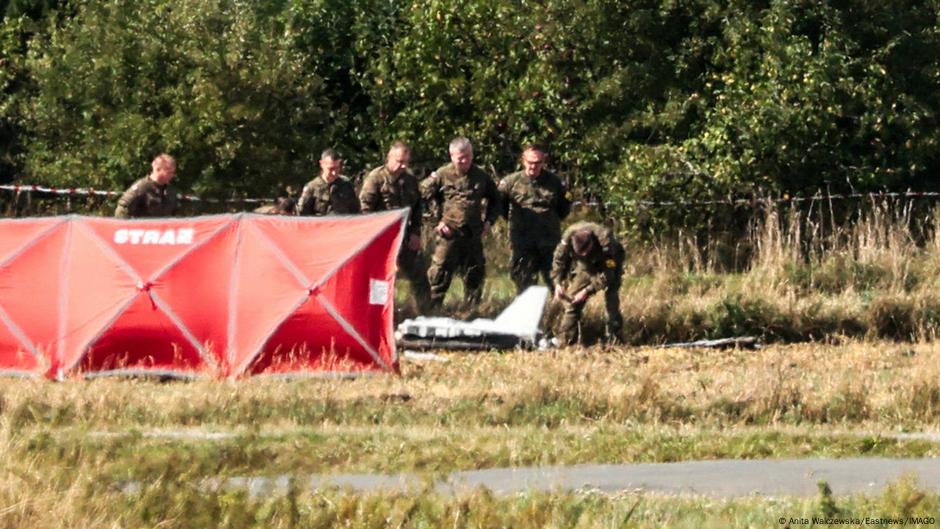
Russia's Alleged Airspace Violations and Broader Implications
German Chancellor Friedrich Merz has highlighted concerns over recent Russian actions, stating that the country’s violation of Polish and Romanian airspace is part of a broader pattern of boundary-testing and sabotage under President Vladimir Putin. These actions, according to Merz, reflect a long-standing strategy by Putin to challenge Western institutions such as NATO and the EU.
Merz emphasized that Putin’s behavior extends beyond mere territorial incursions. He accused the Russian leader of engaging in espionage, acts of violence, and efforts to destabilize societies within Europe. The German chancellor stressed that Germany is actively working to strengthen its resilience and defense capabilities to counter these threats. Additionally, Merz warned that any peace agreement involving Ukraine must not compromise Kyiv’s political sovereignty or territorial integrity.
Germany has emerged as one of Ukraine’s most steadfast supporters since the Russian invasion began in 2022. Defense Minister Boris Pistorius recently noted that the country has surpassed the United States as the largest supplier of military aid to Ukraine.
Navalny’s Death and Alleged Poisoning
Yulia Navalnaya, the wife of the late Russian opposition leader Alexei Navalny, has claimed that her husband was poisoned. She revealed that laboratory tests conducted on biological samples from Navalny, smuggled abroad in 2024, showed evidence of poisoning. According to Yulia, two separate laboratories reached the same conclusion: Alexei was killed by poison.
Navalny died suddenly in February 2024 while imprisoned in a remote Russian prison beyond the Arctic Circle. His death left a significant void in the Russian opposition movement. The Kremlin has consistently denied any involvement in his death, but Yulia has repeatedly accused the government of orchestrating his murder.
European Union’s Response to Russian Energy Imports
European Commission President Ursula von der Leyen has called for an accelerated halt to Russian oil and gas imports. She stated that Russia’s war economy, which relies heavily on fossil fuel revenues, continues to fund the conflict in Ukraine. Von der Leyen announced plans to propose measures that would speed up the phase-out of Russian energy imports, with gas set to be fully banned by 2028 and oil by 2027.
Von der Leyen also mentioned having a “good call” with former U.S. President Donald Trump, who had linked potential U.S. sanctions on Russia to European countries imposing high tariffs on Chinese goods and ceasing purchases of Russian oil. The Commission is expected to unveil its 19th package of sanctions, targeting sectors such as cryptocurrency, banking, and energy.
UN Chief Expresses Doubts About Peace in Ukraine
UN Secretary-General Antonio Guterres has expressed skepticism about achieving peace in Ukraine in the near future. He told reporters in New York that he is “not optimistic” about short-term progress in the peace process. Guterres acknowledged that the war between Russia and Ukraine is likely to continue for “some time.”
Despite hopes for progress following the August meeting between U.S. President Donald Trump and Russian President Vladimir Putin, no significant breakthroughs have been achieved. The lack of concrete steps toward a resolution has raised concerns among international observers.
Protests in Slovakia Over Pro-Russian Policies
Thousands of people in Slovakia have taken to the streets to protest against the government’s pro-Russian policies. Prime Minister Robert Fico has faced criticism for his alignment with Moscow, particularly after traveling to China to meet with Putin. This marked the third meeting between Fico and Putin since the full-scale invasion of Ukraine began.
Fico has drawn comparisons to Hungarian Prime Minister Viktor Orban, who has also shown sympathy for Russia and complicated EU efforts to impose sanctions on Moscow. Critics argue that Fico’s stance undermines European unity and risks further destabilizing the region.
Ongoing Developments in the War
As the conflict in Ukraine continues, attention remains focused on diplomatic efforts and economic measures aimed at isolating Russia. The European Commission is working closely with the U.S. to address energy consumption and trade policies that could impact the Russian economy. Meanwhile, protests in Slovakia highlight growing public dissatisfaction with governments perceived as being too lenient toward Russia.
The situation remains fluid, with new developments emerging daily. International observers are closely monitoring the war and its implications for global security and stability.


Comments
Post a Comment