Will Trump's Afghan Air Base Plan Spark US-China Tension?
The Strategic Significance of Bagram Air Base in US-China Rivalry
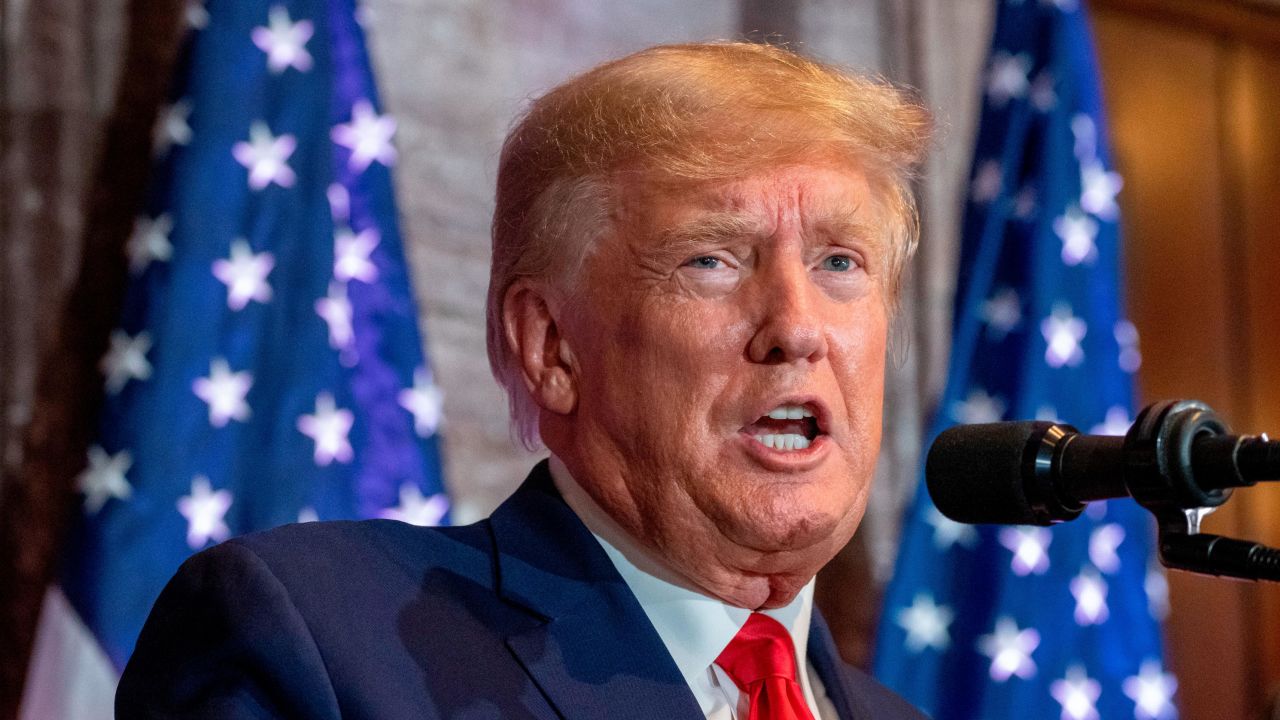
The recent statements by former US President Donald Trump regarding the potential reoccupation of Bagram Air Base in Afghanistan have sparked significant concern among analysts and regional observers. Trump’s remarks, which suggest that the base is strategically located near China’s nuclear facilities in Xinjiang, highlight a growing tension between the United States and China. This move, if pursued, could further destabilize an already fragile region and intensify the broader US-China rivalry.
Bagram Air Base, a Soviet-era facility, is situated approximately 70 kilometers north of Kabul and less than 800 kilometers from the border with Xinjiang, China’s western region known for its ethnic Uyghur population. It was once the largest US military installation in Afghanistan, but its control was relinquished during the chaotic withdrawal in 2021, leading to the Taliban's return to power. Trump has since expressed interest in regaining control of the base, citing its proximity to Chinese nuclear sites as a key factor.
During a press conference with British Prime Minister Keir Starmer, Trump stated, “One of the reasons we want the base is, as you know, it's an hour away from where China makes its nuclear weapons.” This statement underscores the strategic importance of Bagram in the context of US-China relations, particularly in light of China’s expanding nuclear capabilities.
Beijing and the Taliban have both responded to Trump’s claims. Chinese foreign ministry spokesman Lin Jian emphasized that China respects Afghanistan’s independence and sovereignty, while Afghan officials have reiterated their stance against any US military presence in the country. Despite these responses, Trump continues to push for discussions on regaining control of the base, suggesting that the issue remains unresolved.
Analysts believe that Trump’s focus on Bagram may not solely be about China but also about deflecting criticism from his previous administration’s policies. Zhu Yongbiao, a director at Lanzhou University, argues that Trump is using China as a scapegoat for his own policy failures, particularly the withdrawal from Afghanistan. He notes that the Doha Agreement, signed under Trump’s leadership, led to the eventual US exit, which he believes tarnished his political legacy.
Despite these concerns, some experts downplay the immediate threat posed by a potential US return to Bagram. Zhu suggests that China’s current strength and influence make it unlikely that one or two bases near its border would pose a real risk. However, he warns that such a move could strain US-Afghan relations and increase regional tensions, potentially affecting terrorism and extremism across Central and South Asia.
The Pentagon has highlighted China’s rapid nuclear modernization, noting that it has surpassed 600 operational warheads and is projected to exceed 1,000 by 2030. This expansion has raised concerns among US defense officials, who view it as a significant challenge to global stability. Analysts like Jagannath Panda from the Stockholm Centre for South Asian and Indo-Pacific Affairs suggest that Trump’s push for Bagram could signal an intent to reestablish US military presence in northeastern Afghanistan, serving as a surveillance and strike hub near China’s Xinjiang frontier.
Veena Ramachandran, an assistant professor at India’s Birla Institute of Technology and Science, notes that Beijing may interpret Trump’s remarks as part of Washington’s broader strategy to encircle China. She highlights the proximity of Bagram to Lop Nur, China’s primary nuclear testing site, and suggests that any US military activity in the area could be perceived as a direct threat to China’s security.
Dennis Wilder, a senior fellow at Georgetown University, emphasizes that a US base near China’s western border could complicate wartime planning for Beijing, forcing it to consider US strikes on its western flank. He also suggests that China may seek to strengthen its leverage over Afghanistan, given the current geopolitical landscape.
Regional analysts warn that Trump’s proposal could escalate tensions in an already volatile region. Liselotte Odgaard, a senior fellow at the Hudson Institute, points to the recent defense pact between Pakistan and Saudi Arabia as a sign of growing regional instability. She predicts that China may bolster security around its nuclear sites in western China, including Lop Nur and new missile silos under construction in Hami and Yumen.
Ahmed Saeed, a retired Pakistani vice-admiral, cautions that potential US military moves could destabilize the region and drag Afghanistan back into conflict. He emphasizes the historical context of external invasions in the region and expresses concern that such actions would not yield positive outcomes.
In conclusion, the debate over Bagram Air Base reflects the complex interplay of US-China rivalry and regional stability. While Trump’s focus on the base highlights strategic concerns, it also raises questions about the broader implications for Afghanistan and the wider region. As the situation evolves, the international community will be closely watching how these developments unfold.


Comments
Post a Comment