A Quiet Force Shaping Journalism's Future
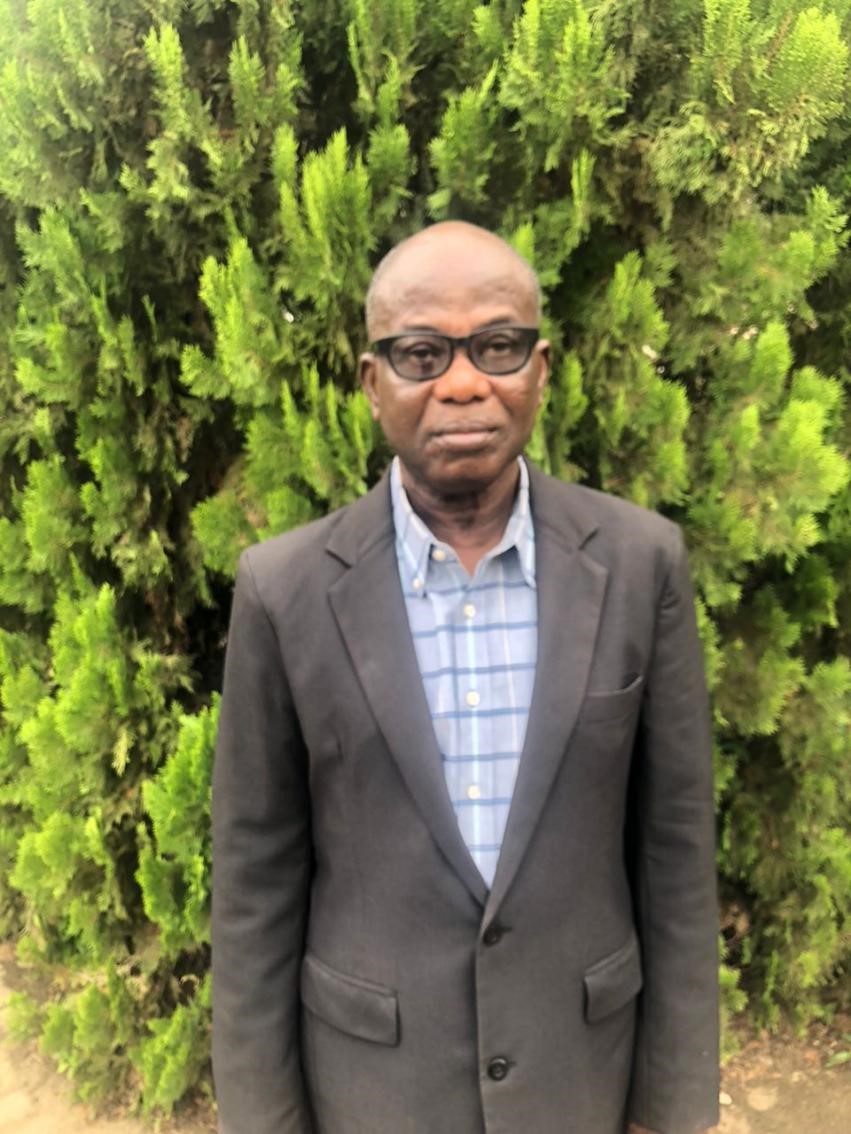
A Legacy of Journalism and Leadership
When the story of journalism growth in Ghana is told, one individual who cannot be omitted from the narrative is Kwasi Afriyie Badu. Known to his peers as KAB, he has stood out among those who have, through dedication and vision, helped shape the journalism profession in Ghana for what it is today.
Kwasi Afriyie Badu's contributions to the growth of journalism in Ghana through service to the Ghana Journalists Association (GJA) have been remarkable. His journey began in the early 1990s and continued through the 2000s and beyond, leaving an indelible mark on the GJA’s efforts to defend press freedom and promote media professionalism and accountability.
Early Encounters and Professional Beginnings
My first encounter with him was over three decades ago when I was employed as a casual worker at the old Press Centre, the GJA secretariat that was housed in rented premises at Kokomlemle, Accra. This was long before the association relocated in 2003 to its current premises, the Ghana International Press Centre (GiPC) near the Ghana Institute of Journalism (GIJ). The opportunity for that first encounter was provided by the celebration by the GJA of the U.N. designated day, the World Press Freedom Day, May 3.
I remember it fell on a Tuesday. Mr. Afriyie arrived early in the morning at the Press Centre. I recall vividly that he greeted all three members of staff of the Press Centre then present, which included me, before asking the whereabouts of Bright Blewu, the GJA General Secretary at the time. When he was told that the General Secretary was in his office, he wasted no time and headed straight there. He returned a few minutes later and started inspecting the arrangements.
He made a request quietly to me to add one more chair to those at the high table and to set up a registration desk where all participants were to be duly registered. I later got to know that day that he was the Programmes Coordinator of the German non-governmental organisation, Friedrich Ebert Stiftung. The German foundation was a major sponsor of that day’s event. The FES was, in fact, a leading sponsor of many GJA programmes at the time.
Long-Term Collaboration and Influence
My further interactions with him over the years during programme planning and organizing events marked the beginning of a long and lasting working relationship that had a remarkable influence on me and helped to shape my professional journey when I eventually gained full employment at the Press Centre.
Mr. Afriyie was a regular visitor to the Press Centre as a result of his work at FES and my working relationship with him grew by leaps and bounds when in 1996 the GJA Press Centre project enjoyed a 2-year sponsorship from the European Union through the Brussels-based International Federation of Journalists (IFJ), under the auspices of the FES.
He was instrumental in strengthening the association’s institutional framework and championing capacity building for GJA members and non-members alike. His knowledge in Political Science, Administration, and, later, Law made him a good advisor to the GJA, especially concerning media practice and programmes. I had the privilege of working closely with him, particularly during my time as an assistant on the GJA Ethics Committee, chaired by Frances Ademola, the renowned broadcast journalist who worked with Ghana Broadcasting Corporation (GBC) during the corporation’s formative years.
Contributions and Impact
Mr. Afriyie’s contributions to the GJA are too numerous to recount. He was part of the 16-member GJA Press Centre Building Project Committee, chaired by Gifty Affenyi-Dadzie, the then GJA President who supervised the construction of the GiPC. Mr. Afriyie represented the GJA on the then National Governance Programme sponsored by the UNDP. It was through his efforts that the GiPC received support for the initial furnishing of the centre. He played a pivotal role in securing project funding from USAID for training journalists in business and financial reporting, and he was deeply involved in drafting of the current GJA Constitution – a document that still governs the association today.
Current Role and Continued Influence
Mr. Kwasi Afriyie Badu is currently Chief Executive Officer of KAB Governance Consult, which he set up in 2000. He is a governance expert and lawyer who has been instrumental in strengthening the relationship between the media and Ghana’s democratic institutions.
While consulting for the Electoral Commission under the then-Chairman of EC, Dr. Kwadwo Afari-Gyan, he played a pivotal role in securing journalists’ rights to cover national elections and in encouraging the commission to open its doors to the press. He has also been a strong advocate for public accountability and transparency and was key in institutionalising the Electoral Commission’s tradition of holding press conferences before every election to brief Ghanaians and the international community on its preparedness.
Mentorship and Personal Growth
Beyond structures and constitutions, Mr. Afriyie Badu invested in people. I owe much of my professional growth to his guidance. He taught me the art of media monitoring—how to track stories across radio, television, and the emerging online space. He showed me how to coordinate projects efficiently, meet deadlines, and, above all, uphold excellence. His work ethic was uncompromising: programmes had to be executed and completed before the day ended. “No loose ends,” he would often remind us. His humility and integrity remain unquestionable.
Traveling with him across the country for various media and capacity-building workshops was equally transformative. He approached every engagement with the same passion, ensuring that journalists, no matter where they were, benefitted from the tools and training needed to improve their craft. For those of us privileged to work alongside him, Mr. Afriyie Badu has been more than a mentor. He has been a perfectionist, a teacher, and, above all, a quiet but resolute force behind the progress of journalism in Ghana.


Comments
Post a Comment