AI Reshapes Modern Warfare
AI's Role in Shaping Future Conflicts
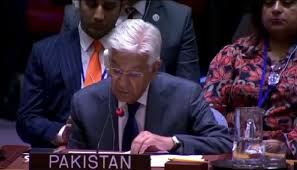
Artificial intelligence (AI) is rapidly transforming the landscape of modern warfare, and its integration into military systems has raised significant concerns among global leaders. Pakistan's Defence Minister, Khawaja Asif, recently addressed these issues during a high-level United Nations debate on AI, emphasizing the potential dangers that could arise from its unchecked use in conflict scenarios.
Asif highlighted the dual nature of AI, noting that while it has streamlined decision-making processes, it also introduces new risks that could make future wars more perilous. He called for a unified global approach to ensure that technological advancements are harnessed responsibly, aligning with the principles outlined in the UN Charter. This call for caution comes amid growing anxieties about the ethical implications of AI in military applications.
A National Approach to AI Development
Pakistan has taken proactive steps by introducing its first national AI policy earlier this year. The initiative aims to foster innovation while simultaneously preventing the misuse of AI technologies. Asif described this as a crucial step toward balancing progress with responsibility, ensuring that the benefits of AI are realized without compromising global peace and stability.
During his speech, Asif emphasized the need for collective action among nations to address the challenges posed by AI. He urged all countries to collaborate on developing frameworks that promote transparency and accountability in the deployment of AI in military contexts. This includes establishing clear guidelines to prevent an uncontrolled arms race that could escalate tensions and lead to unforeseen consequences.
The Importance of Human Oversight
UN Secretary-General Antonio Guterres opened the debate by addressing the transformative impact of AI on various aspects of life, including daily routines, information dissemination, and the global economy. He underscored the critical importance of maintaining human control over decisions that involve life and death, particularly in the context of nuclear and lethal autonomous weapon systems.
Guterres stressed that innovation should always serve humanity rather than undermine it. He called for the establishment of legally binding international regulations on the use of AI in warfare by 2026. This initiative aims to create a standardized framework that ensures accountability and promotes the responsible use of AI technologies across borders.
Global Collaboration for Peace and Security
Asif concluded his remarks by reaffirming Pakistan's commitment to supporting international efforts aimed at achieving a balance between technological progress and global peace and security. He emphasized the need for ongoing dialogue and cooperation among nations to address the complex challenges posed by AI.
The discussions at the UN debate reflect a growing recognition of the need for a coordinated response to the ethical and strategic implications of AI in warfare. As countries continue to invest in AI capabilities, the importance of establishing robust regulatory mechanisms cannot be overstated. These measures will not only help mitigate the risks associated with AI but also ensure that technological advancements contribute positively to global stability.
Conclusion
The integration of AI into military systems presents both opportunities and challenges. While it offers the potential for enhanced efficiency and decision-making, it also raises concerns about the potential for increased conflict and instability. The call for global collaboration and regulation is essential to navigate this complex landscape. By working together, nations can harness the power of AI to promote peace and security, ensuring that technological progress serves the greater good.


Comments
Post a Comment