Amb. Mumuni Criticizes African Leaders' UNGA Performance, Calls for Greater Global Influence
Criticism of African Leaders' Performance at the United Nations General Assembly
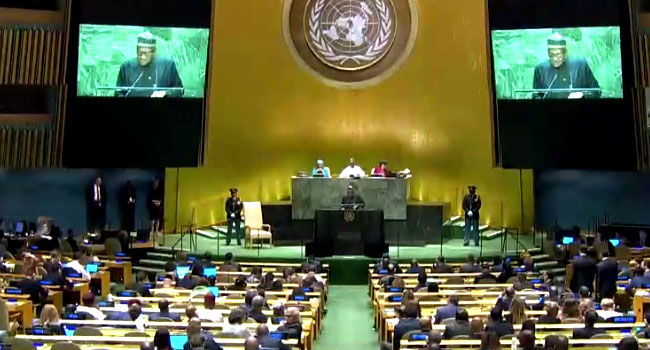
A prominent Nigerian expert in security and political affairs, Amb. Abayomi Nurain Mumuni, has voiced strong criticism regarding the performance of African leaders during the ongoing United Nations General Assembly (UNGA). He described their engagement as lackluster and disconnected from the urgent diplomatic needs of the continent.
In a press statement released by his Media Aide, Rasheed Abubakar, Mumuni expressed disappointment that African leaders did not collectively push for reforms in global governance, particularly concerning Africa’s representation within the UN Security Council. He emphasized that despite being the second-largest continent, Africa continues to be sidelined when it comes to permanent membership or decision-making influence on the Security Council.
Mumuni pointed out that only a few African leaders, such as Nigeria’s Vice President Kashim Shettima and Kenya’s President William Ruto, raised the issue meaningfully. He criticized the rest for missing the opportunity to rally around this critical call, calling it highly condemnable.
As a Chieftain of the All Progressives Congress (APC), Mumuni also lamented the silence of many African leaders on the ongoing humanitarian crisis in Gaza. He argued that Africa, having experienced colonialism and genocide, should have a moral authority to speak out against global injustices.
He stated, “Africa’s silence on Palestine is a missed opportunity. Our leaders’ failure to unite on this issue at the UNGA is not just disheartening, but a moral failing.” However, he acknowledged the commendable efforts of countries like Nigeria, Ghana, and South Africa, which have advocated for Palestinian statehood. He urged other African nations to follow their example.
Another point of concern for Mumuni was the size and cost of some African delegations attending the UNGA. He described this as a “reckless use of taxpayers’ money” given the widespread economic hardship across the continent. He called on the African Union (AU) to “put its house in order” and ensure that future foreign policy representations are handled by diplomats who understand the complexity and gravity of global platforms like the UNGA.
Mumuni also highlighted the need for the UN to reform the veto system at the Security Council. He argued that the current system contradicts the principles of equality and justice upon which the UN was founded. His remarks underscored the urgency of addressing these issues to ensure Africa's voice is heard on the global stage.
Finally, he urged African governments to take the call for global equity seriously. He warned that failure to do so would continue to keep the continent on the margins of global affairs. The expert’s critique serves as a reminder of the importance of unity, advocacy, and reform in shaping Africa’s role in international diplomacy.


Comments
Post a Comment