Chancellor Rachel Reeves to Tax the Wealthy to Plug £30 Billion Budget Gap
Rachel Reeves Faces Tough Choices as Budget Black Hole Looms
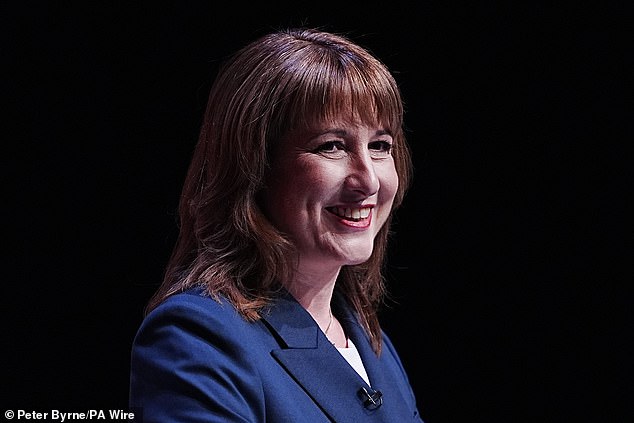
Chancellor Rachel Reeves is preparing to introduce significant tax increases on the wealthy to address a growing £30 billion shortfall in public finances. This move comes as the government looks to avoid increasing borrowing or cutting public spending in the upcoming Autumn budget.
Treasury sources have confirmed that the Chancellor will not make major cuts to public services or increase debt to fill the gap. Instead, they are focusing on raising taxes, particularly targeting those with higher incomes. A source close to the Chancellor stated: "She will be fair when asking those to contribute more to rebuild our public services." The statement emphasized a commitment to making tough decisions while protecting working families from additional burdens.
The decision to raise taxes is seen as a necessary step to prevent future generations from inheriting unsustainable levels of debt. Officials warned that increasing borrowing would put public finances at risk, while a return to austerity measures could lead to economic decline.
This is the strongest signal yet that the Chancellor is planning to implement a tax raid on wealthier individuals and families. Despite announcing £40 billion in tax increases last year, Ms. Reeves has not ruled out further measures this autumn.
Pressure to Scrap Two-Child Benefit Cap
In addition to potential tax hikes, the Chancellor is facing pressure to scrap the two-child benefit cap. This policy limits parents from claiming Universal Credit or child tax credit for a third or additional child born after April 2017. Critics argue that removing the cap would cost around £3 billion annually.
Backbench MPs and ministers have urged the government to replace the cap with a 'taper system' to manage costs for large families. However, Treasury officials are still considering options for a new approach.
During his Labour conference speech, Sir Keir Starmer hinted that the government may lift the two-child benefit cap. When asked about the possibility at a Labour conference fringe event, the Chancellor said: "Keir said in his speech today that we will reduce child poverty in this Parliament, but we will set out the policies in the Budget."
She added that the government must consider financial constraints caused by inflation, tariffs, global conflicts, and rising borrowing costs. "I would be the first person to want to find some money down the back of the sofa to pay for lots of different things," she said. "But I have to be Chancellor in the world as it is, not in the world as I might like it to be."
Potential Tax Increases and Financial Challenges
The looming fiscal black hole presents a complex challenge for the government. With a projected deficit of £60 billion, many are questioning whether Rachel Reeves will break her promise of no tax increases. Some analysts suggest that stealth taxes and inheritance levies could be introduced to manage the shortfall.
The situation raises several key questions:
- Will the Chancellor introduce more tax hikes to address the £60 billion fiscal gap?
- Is Rachel Reeves prepared to make bold tax moves to avoid austerity?
- How will rising borrowing costs influence her decisions this autumn?
- Could the £4.25 billion black hole force additional tax increases?
- Are inheritance levies and other hidden taxes on the horizon?
As the government prepares for the Autumn budget, the pressure to balance the books without harming vulnerable families remains high. The decisions made in the coming weeks will shape the country's financial future for years to come.


Comments
Post a Comment