China Lures KAIST Professors with 400 Million Won Offers
China's Targeting of South Korean Scientists
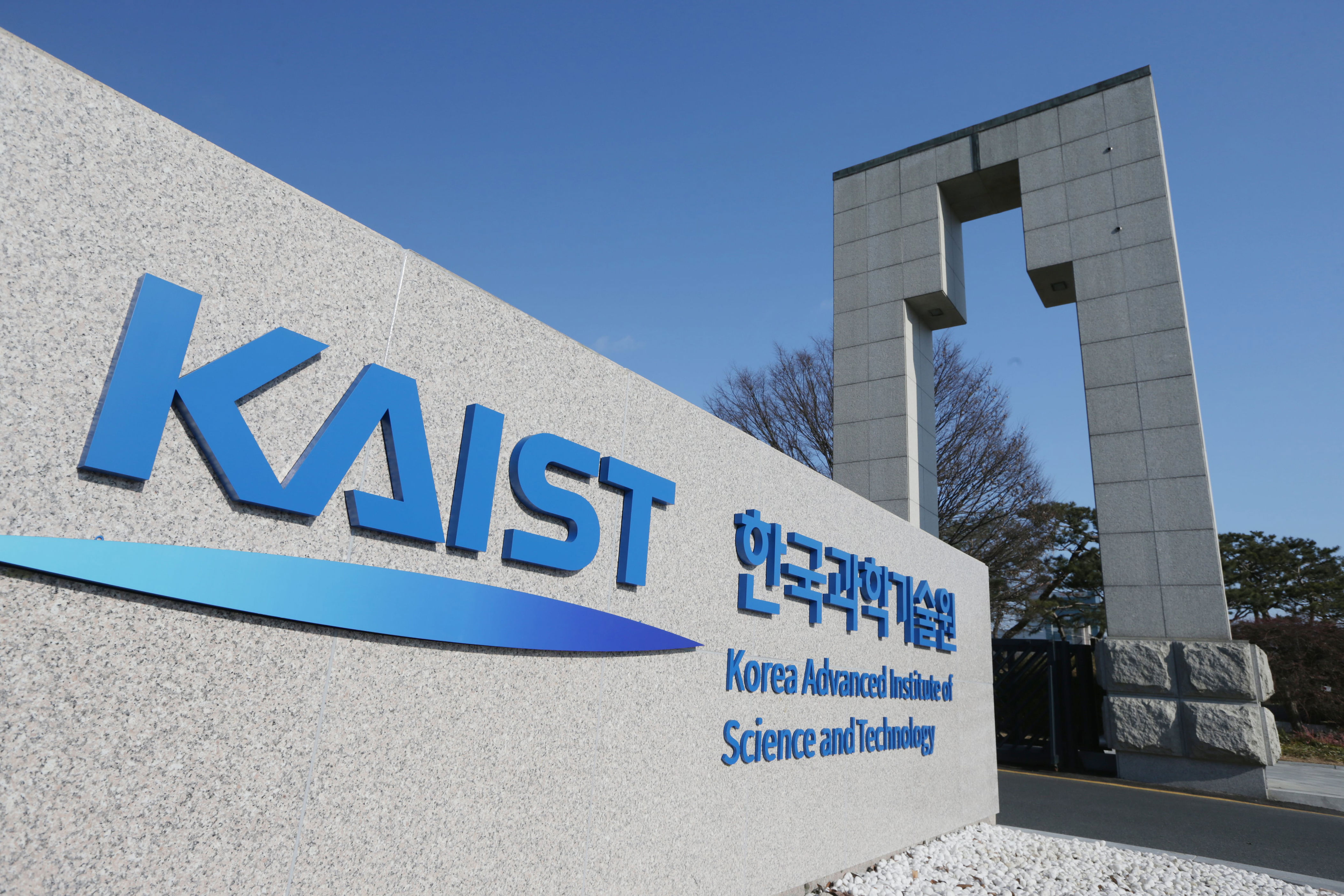
Recent revelations have highlighted a concerning trend where China has been actively attempting to recruit professors from KAIST, one of South Korea’s leading science and technology institutions. According to Rep. Choi Soo-jin from the People Power Party, 149 KAIST professors received an email titled "China’s Global Talent Recruitment Program for Outstanding Scientists" in early last year. This email was sent to approximately 22% of KAIST’s total faculty, which includes 666 professors.
The email invited overseas talents with government support, offering an annual salary of 2 million yuan (approximately 400 million Korean won), housing, and child education subsidies. Upon receiving this report, KAIST’s research security team initiated an internal investigation. The National Intelligence Service (NIS) also conducted a full-scale survey across major universities and government-funded research institutes nationwide, uncovering multiple similar cases.
National-Level Targeting of South Korean Scientists
China is targeting South Korean scientists at the national level to acquire technology. A key initiative in this effort is the "Thousand Talents Program (千人計劃)," which recruits talents with technological expertise and experience under exceptional conditions. In 2020, a KAIST professor participating in the program was caught leaking core autonomous vehicle technology to China.
Beyond the Thousand Talents Program, China is reportedly approaching South Korean researchers through new programs such as the "Foreign Expert Project." The NIS views these as variants of the Thousand Talents Program, indicating a broader strategy to attract South Korean scientific talent.
Survey Highlights Widespread Recruitment Efforts
A survey by the Korean Academy of Science and Technology in May found that 123 out of 200 members (61.5%) had received overseas recruitment offers within the past five years. Among them, 52 (42%) had either moved abroad or were considering the offers, with 82.9% of the proposals originating from China.
This data underscores the extent of China's efforts to lure South Korean scientists, raising concerns about the potential loss of critical technological knowledge and expertise.
Inadequate Countermeasures in South Korea
South Korea lacks an effective structure to counter technology theft via foreign talent recruitment. In contrast, other countries have implemented more stringent measures. For example:
- The U.S. restricts federal research funding for researchers involved in "malicious foreign talent recruitment programs" and mandates disclosure of affiliations with overseas institutions or grant receipts.
- The U.K. legally requires prior government approval for collaborations with foreign entities.
- The European Union (EU) mandates preemptive risk assessments for research collaborations involving foreign governments or institutions with potential intervention risks.
In contrast, South Korea relies only on voluntary professor reporting and internal warnings. Rep. Choi emphasized, "The ‘National Research and Development Innovation Act amendment bill’ must be passed promptly to establish a system enabling immediate institutional responses."
Conclusion
The ongoing efforts by China to recruit South Korean scientists highlight the need for stronger national policies and international cooperation. As the global competition for technological superiority intensifies, it is crucial for South Korea to develop robust mechanisms to protect its scientific and technological assets while fostering a secure and ethical research environment.


Comments
Post a Comment