China's EV Fire Plan: Eject the Whole Battery
Innovative Approach to EV Fire Safety
China is exploring unconventional methods to address the growing concern of electric vehicle (EV) battery fires. One such method involves ejecting a burning battery from the vehicle to minimize the risk to occupants and surrounding areas. While this solution may seem drastic, it highlights the urgent need for safer EV technologies as the industry continues to expand.
Understanding the Risks of EV Battery Fires
Electric vehicle battery fires are a serious issue that can pose significant dangers to both people and property. Although they occur less frequently than fires in traditional gasoline-powered vehicles, once a fire starts, it can be extremely difficult to extinguish. This is due to a phenomenon known as thermal runaway, where a single cell igniting can trigger a chain reaction across the entire battery pack. The result is a fire that can reach temperatures exceeding 1,800°F (1,000°C), making it challenging for emergency crews to manage.
China's Unique Solution: Ejecting the Battery
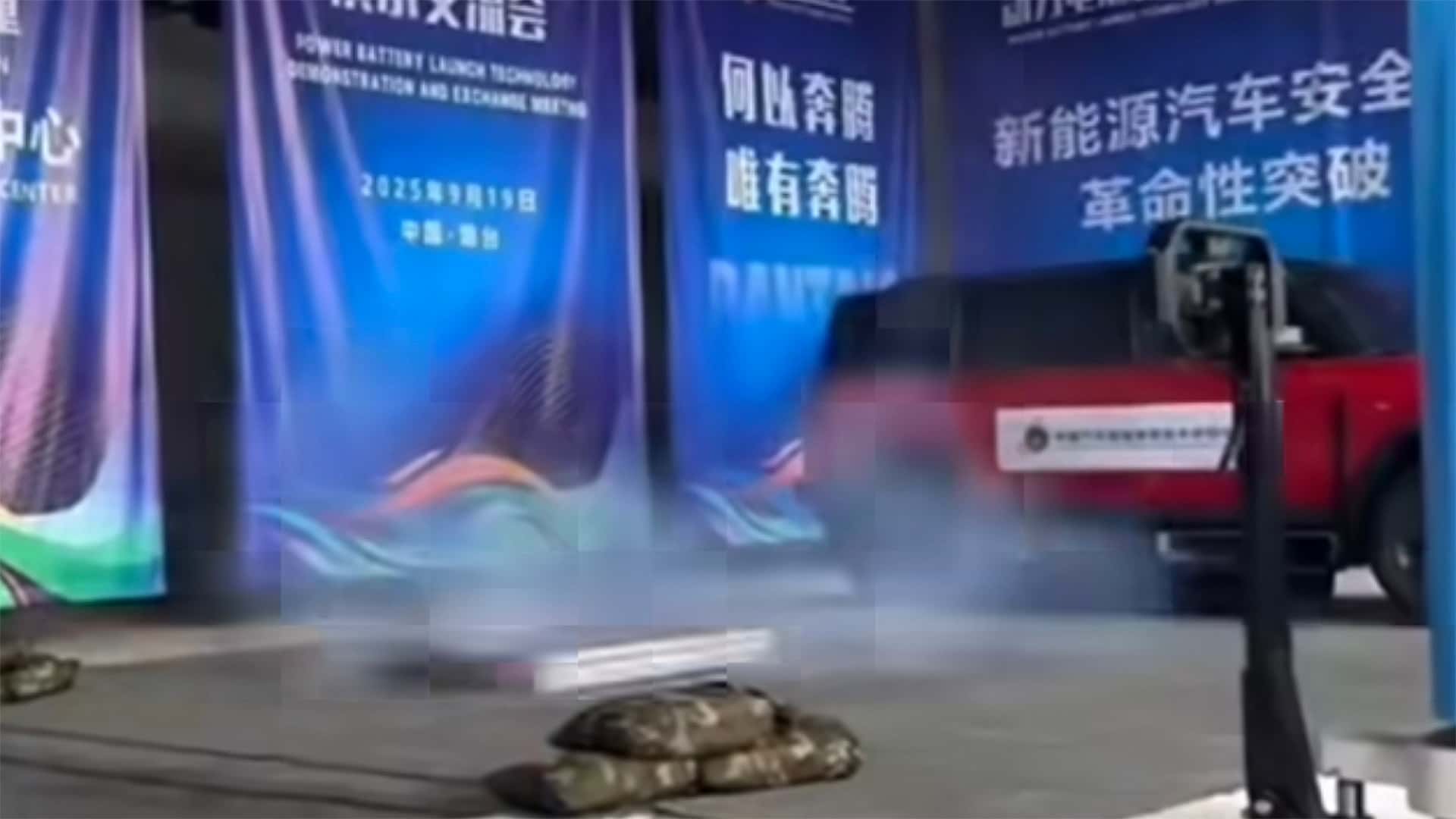
In an effort to improve safety, China has tested a system that automatically ejects a vehicle’s battery when it detects signs of thermal runaway. According to reports, the system can launch the smoldering battery up to 20 feet away from the vehicle within less than a second. This approach aims to keep the occupants safe while allowing emergency responders to handle the situation more effectively.
While the concept is intriguing, it also raises concerns about potential risks. A heavy, burning battery pack hurtling through the air could cause damage to nearby vehicles or pedestrians. In its current form, the technology would likely not meet safety standards due to these hazards. However, with further development and integration of advanced sensors and artificial intelligence, the system could become a viable option in the future.
Challenges and Potential Improvements
The demonstration video of the ejection system shows the battery being shot out with a loud bang, highlighting the dramatic nature of the process. Despite the alarming visuals, the idea itself is worth considering. By isolating the battery from the rest of the vehicle, emergency crews might have a better chance of containing the fire without having to submerge the entire car in water, which is a common practice in many European countries.
However, the system requires refinement to ensure it is safe and practical for real-world use. Key considerations include controlling the force and direction of the ejection to prevent unintended harm. Additionally, the technology must be able to adapt to various environments and situations to maximize its effectiveness.
Future Implications and Developments
As the EV market grows, so does the need for innovative safety solutions. Other companies and researchers are also working on ways to prevent or mitigate battery fires. For instance, breakthroughs in solid-state batteries and metal-air battery technologies are showing promise in reducing the risk of thermal runaway.
Moreover, advancements in battery design and materials are contributing to improved safety standards. Companies like Renault have made significant strides in fire safety, offering solutions that can be adopted by others in the industry. These developments underscore the importance of ongoing research and collaboration to enhance the safety of electric vehicles.
Conclusion
While the idea of ejecting a burning battery may seem unusual, it reflects the urgency of addressing EV fire safety. As the technology evolves, it is essential to balance innovation with practicality to ensure that new solutions do not introduce additional risks. With continued research and development, the automotive industry can move closer to creating safer, more reliable electric vehicles for everyone.


Comments
Post a Comment