China's solar surge powers Africa's future at record speed as costs drop
The Rise of Solar Energy in Africa
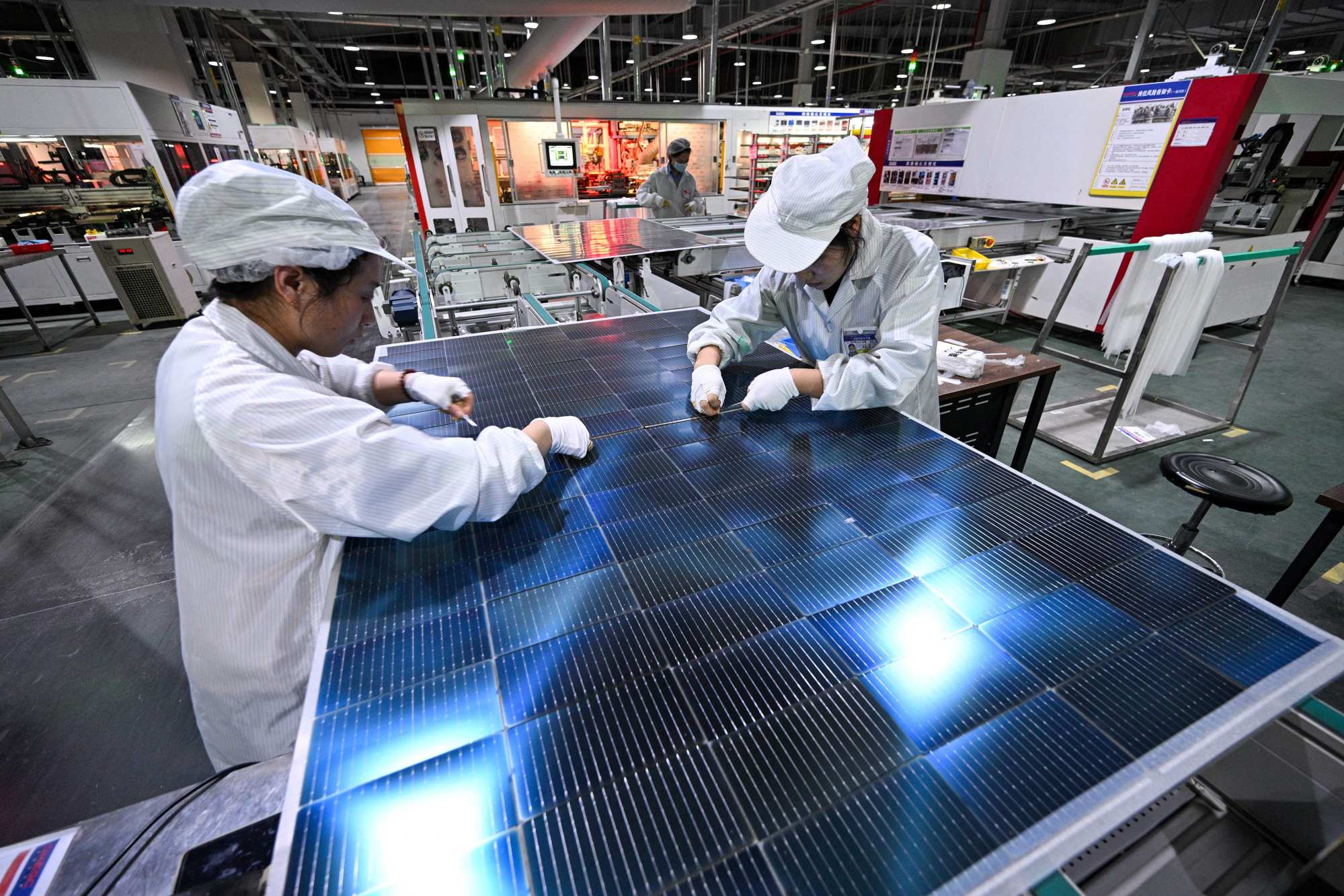
Solar energy is experiencing a remarkable surge across Africa, with the continent witnessing a significant increase in the importation of solar panels. This trend is largely driven by Chinese manufacturers, whose products are now commonly seen on rooftops and in large-scale renewable energy projects throughout the region.
A recent study conducted by Oxford Economics revealed that in the first seven months of this year, Africa imported 9,516 megawatts worth of Chinese-made solar panels, a substantial increase from 6,625MW during the same period last year. This growth reflects the increasing reliance on solar energy as a solution for both expanding electricity access and addressing frequent power outages.
The study highlights that African countries such as South Africa, Algeria, and Nigeria are leading the charge in solar panel imports, with several other nations reporting more than a fourfold increase in their annual imports. This surge is primarily attributed to the development of large-scale solar projects by Chinese firms, which are playing a crucial role in transforming the continent’s energy landscape.
For instance, in South Africa, PowerChina is constructing the 342MW De Aar Central Solar Power Plant. In Algeria, PowerChina and China State Construction Engineering Corporation are working on extensive solar projects in the desert, including a 220MW plant in Biskra and a 200MW facility in El M'Ghair. These developments underscore the growing influence of Chinese companies in Africa's renewable energy sector.
Despite these advancements, Sub-Saharan Africa still faces challenges in providing reliable and affordable electricity to its population. Currently, only 53.3% of the population has access to electricity, significantly lower than the global average of 91.6%. However, the rising trend in solar imports is seen as a positive step toward improving energy access and reliability.
Lyle Begbie, an economist at Oxford Economics, noted that the cost of solar energy has dramatically decreased over the past decade, making it the most cost-effective source of electricity. With China, the world's largest producer of solar panels, continuing to innovate and subsidize production, further cost reductions are anticipated.
China's dominance in the global solar panel market has allowed it to not only export its products but also extend its influence in the renewable energy sector worldwide. This contrasts with the United States, which has been scaling back its support for green energy innovation.
While Africa's solar panel imports reached a record high in July, the total monthly value did not surpass the peak recorded in May 2023. This previous surge was fueled by severe power cuts in South Africa, which prompted increased private investment after licensing requirements were relaxed. Nonetheless, imports from other parts of the continent have continued to rise, reaching a record value of $135.8 million in July 2025, according to the study.
Dave Jones, chief analyst at the global energy think tank Ember, pointed out a 60% increase in Africa's solar panel imports from China in the year leading up to June, totaling 15,032MW. A notable tripling of imports occurred outside South Africa over the past two years, with 20 African countries setting new records. This new capacity is expected to significantly enhance electricity supplies across the continent.
Jones emphasized that China's role as the world's largest exporter of solar panels, accounting for 80% of global production in 2024, has been instrumental in this growth. He also highlighted that the current surge is more widespread compared to previous increases, which were mainly concentrated in South Africa.
W. Gyude Moore, former Liberian public works minister, attributed the solar energy boom in Africa to two main factors: the drastic reduction in costs due to Chinese competition and the urgent need for reliable power amid widespread grid failures and utility insolvency. "Africa's relative poverty means cost is a critical factor here," Moore stated.
Failing infrastructure has created a pressing need for alternative energy solutions, and solar panels have emerged as an ideal choice due to their modular and rapidly deployable nature. They offer a practical way to address energy deficits caused by load shedding and insolvent utilities.
As Africa continues to embrace solar energy, the continent is poised to benefit from increased electricity access, reduced energy costs, and a more sustainable energy future. The ongoing collaboration between African nations and Chinese manufacturers is likely to play a pivotal role in shaping this transformation.


Comments
Post a Comment