CSIR-SARI Tech Park Boosts Food Security in West Africa
Introduction to the Agricultural Technology Park
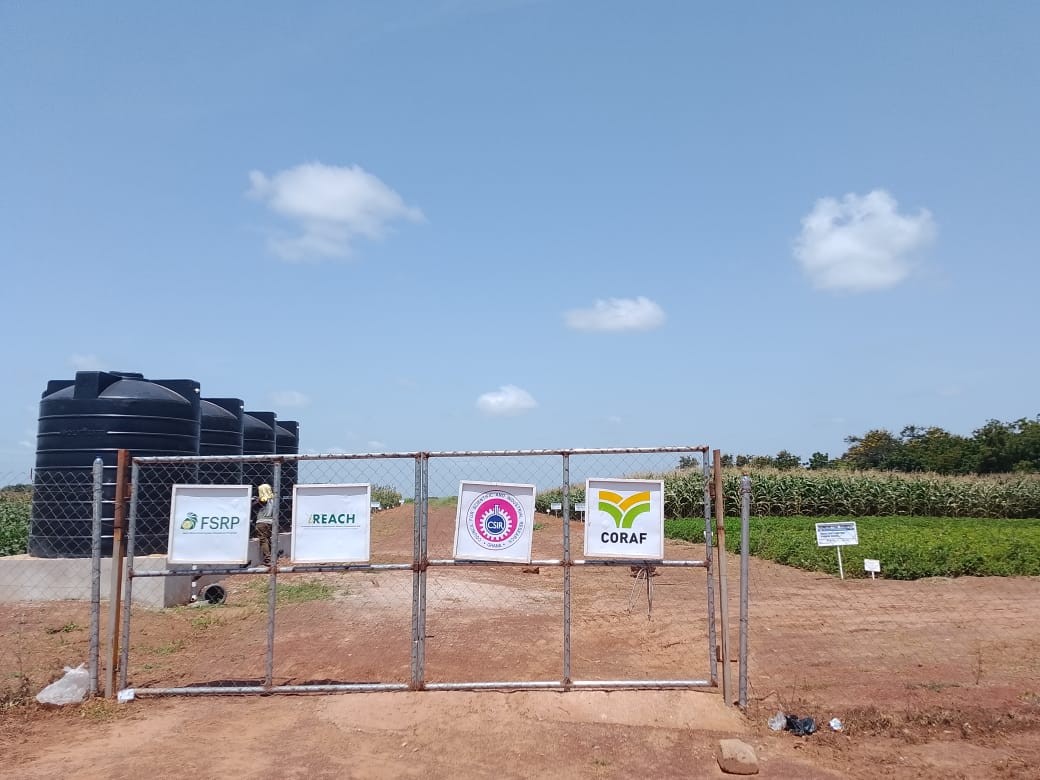
The Council for Scientific and Industrial Research–Savanna Agricultural Research Institute (CSIR-SARI) has launched an Agricultural Technology Park (ATP), a groundbreaking initiative aimed at promoting climate-smart agriculture and sustainable farming practices. This hub serves as a bridge between research and practical application, with the goal of enhancing food security and productivity in West Africa.
The park was developed in collaboration with the West and Central African Council for Agricultural Research and Development (CORAF) and the Innovation Research Extension and Advisory Coordination Hub Consortium under the West Africa Food System Resilience Programme. It functions as a hands-on demonstration site for advanced crop varieties, agronomic practices, and agricultural technologies.
Additionally, the facility acts as a training center for farmers, youth, researchers, and extension agents, facilitating the adoption of innovations that support resilient agriculture.
Key Features of the Technology Park
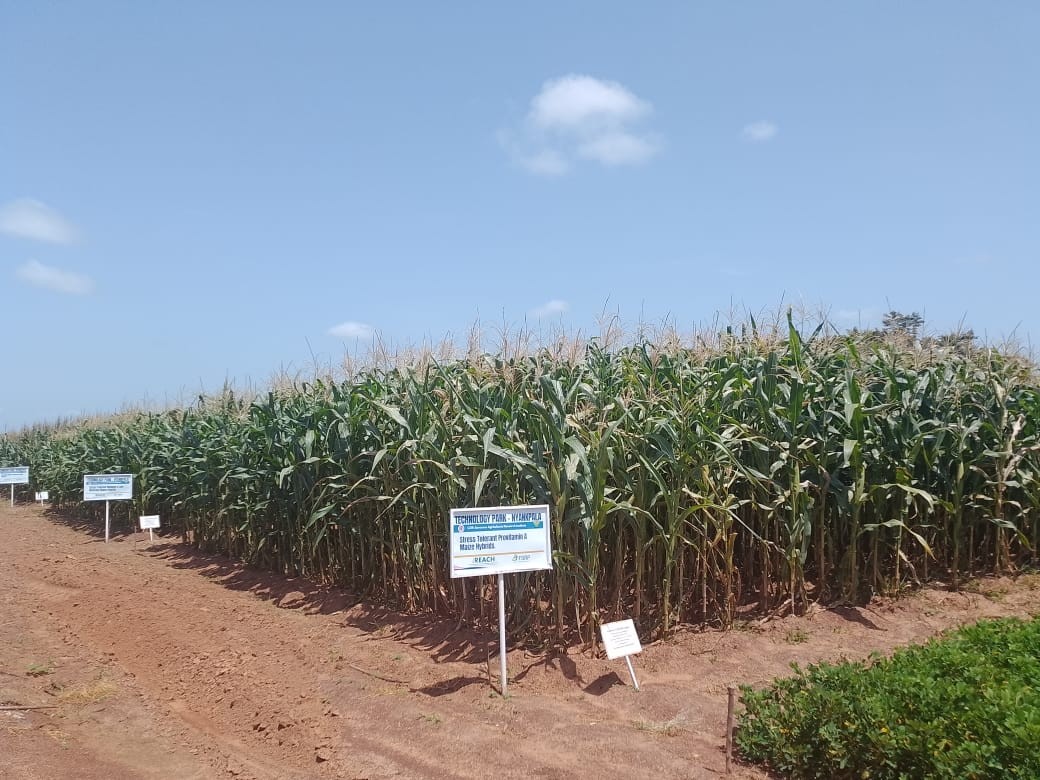
The Agricultural Technology Park showcases various genetic and agronomic innovations, including improved maize, cowpea, and rice varieties. It also demonstrates integrated soil management, optimized planting, and seed multiplication strategies. The park supports youth empowerment through seed production enterprises and a start-up fund.
During a recent visit, the Council Chairman of CSIR, Ing. Mark A. Taylor, accompanied by the Director-General of CSIR, Prof. Paul P. Bosu, SARI Director, Dr. Francis Kusi, and a team from the headquarters, praised the efforts of the management and research scientists at SARI.
According to Ing. Taylor, the initiative aligns with the growing demand for technological innovations to enhance agricultural practices, boost crop production, create jobs, and increase food security to stabilize Ghana’s economy.
“This technology park is critical to the government’s poverty reduction programme, and there is therefore the need for increased investment to help them achieve their objectives,” he noted.
He emphasized that agriculture remains key to poverty alleviation and highlighted CSIR’s pivotal role as Ghana’s premier research institution in helping the government achieve its goals in that regard.
Infrastructure and Support Needs
Ing. Taylor called for support to address infrastructure deficits, lack of laboratory equipment, staff motivation, and capacity training across the various institutes.
“As a board, we needed to come here and see for ourselves what these hardworking scientists are doing, and we are impressed by the level of activity taking place here,” he said. “We are touring all 13 institutes and other research stations to assess their progress.”
Director-General of CSIR, Prof. Paul P. Bosu, stressed that one of the key tenets of research and development is the transfer of research outcomes to end users.
He noted that the government’s 24-hour economy initiative has a strong agricultural component, underscoring the need for greater investment not only in funding but also in laboratory equipment, vehicles, and other resources to support scientific research and demonstration.
Perspectives from SARI Leadership
Director of SARI, Dr. Francis Kusi, expressed appreciation to the CSIR leadership for visiting the Technology Park.
“The technology park is a one-stop facility designed to transform agriculture in Ghana by supporting improved crop varieties that are high-yielding and resilient to the effects of climate variability,” he said.
“None of the imported varieties can match those developed here, yet ours cost just about GH₵500 compared to GH₵1,200 or more for the imported ones,” he added.
Dr. Kusi said the establishment of the park aims to showcase SARI’s capabilities in advancing agricultural innovation and contributing to national development.
“We are open to all key stakeholders, including seed companies, policymakers, agricultural extension agents, donors, and others interested in supporting Ghana’s agricultural sector,” he stated.
He called for nationwide support for CSIR to enable it to scale up its research and innovations, helping farmers reduce production costs, increase productivity, and make farming more profitable.


Comments
Post a Comment