Deadly Outbreak Sparks Fear of Catastrophic Impact on Australian Island
Unprecedented Signs of H5 Bird Flu on Sub-Antarctic Heard Island
Australia is facing growing concerns as the first signs of a deadly H5 bird flu strain have been detected on a remote sub-Antarctic island. The discovery has raised alarms among scientists and officials, who warn that the virus could soon reach the mainland.
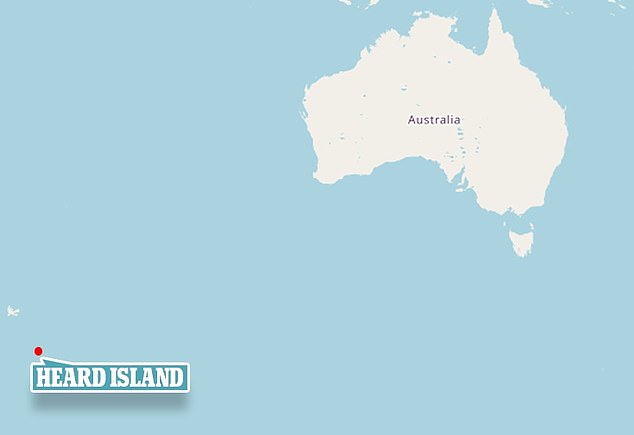
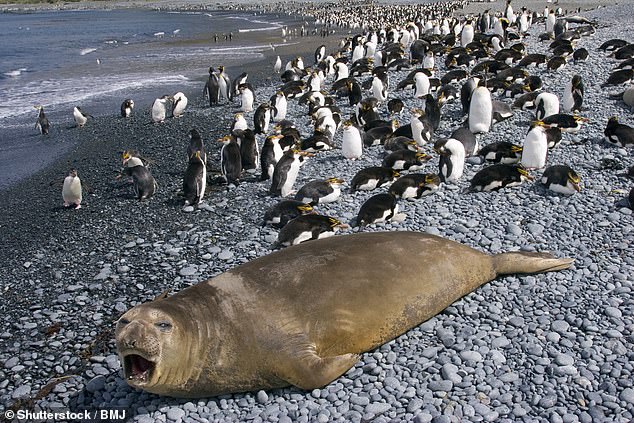
The strain was found on Heard Island, located approximately 4,000 kilometers southwest of Perth. This island is part of Australia's territory and is known for its unique and untouched ecosystem. Researchers observed unusual levels of mortality in elephant seals, which are known to be vulnerable to the H5 strain. Further testing is underway to confirm whether the virus is indeed present.
"At this stage, it is not a confirmed detection," said the federal environment and agriculture departments in a statement. "It reinforces the need for Australia to remain focused on preparing for an outbreak."
Although a confirmed detection on Heard Island would not significantly increase the risk to mainland Australia, experts believe the arrival of the strain is almost inevitable due to its global spread. The virus could potentially be carried by migratory species that travel between the sub-Antarctic and mainland Australia.
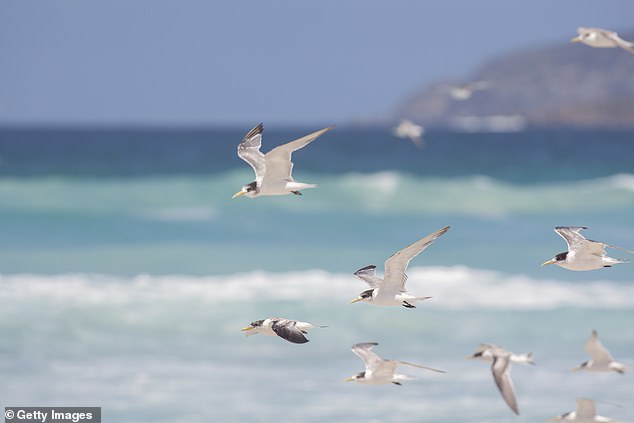
The H5 strain has already caused widespread devastation across the globe, leading to the deaths of millions of birds and other wildlife, including elephant seals and fur seals in Antarctica. Scientists describe it as a complex and difficult-to-control disease.
"It is proving to be a many-headed beast because we have not found a really efficient way to control it," said Michelle Wille, a senior researcher at the University of Melbourne's Centre for Pathogen Genomics. "When it arrives (in mainland Australia), it will not have a different impact to what we've seen elsewhere. I would expect we'd see catastrophic impacts on native wildlife and massive impact on industry, particularly the poultry industry."
The Australian government has taken steps to prepare for a potential outbreak, investing over $100 million into strengthening bird flu preparedness and enhancing response strategies. This includes measures to protect both wildlife and agricultural industries.
The virus has already been identified on nearby French sub-Antarctic islands, such as Kerguelen and Crozet, which are less than 450 kilometers from Heard and McDonald islands. Seabirds that frequent these areas and migrate to mainland Australia could act as carriers of the virus.
Dr. Wille emphasized the long-distance capabilities of the virus. "This virus has demonstrated to us that it can do crazy things, like travel really long distances," she said.
Samples collected during the research trip will be analyzed by the CSIRO when the scientists return to Australia aboard the icebreaker Nuyina in mid-November. It is expected to take several weeks for the results to be confirmed.
H5 bird flu is a highly contagious disease that has affected various regions around the world, including the US, Europe, Asia, and Antarctica. However, Australia has only experienced outbreaks of the H7 strain and not the H5 variant.
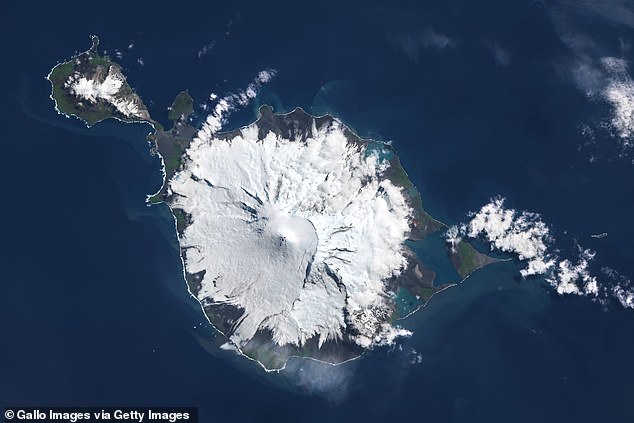
Heard Island, a World Heritage-listed site, is considered one of the most pristine and rare ecosystems on the planet. Its isolation has helped protect it from many threats, but the presence of the H5 strain now poses a significant challenge.
As the situation unfolds, the focus remains on monitoring the spread of the virus and implementing effective prevention and response strategies. The coming months will be critical in determining how Australia can safeguard its wildlife and agricultural sectors from the potential devastation of the H5 strain.


Comments
Post a Comment