Democrats and People Power Party Demand End to Dokdo Misrepresentation
Historical Significance of Dokdo Day
Dokdo Day, observed on October 25th, is a significant date in the history of South Korea. It marks the day when Emperor Gojong of the Korean Empire issued Imperial Ordinance No. 41 in 1900, officially designating Dokdo as an affiliated island of Ulleungdo. This decision underscores the historical and legal claim of South Korea over Dokdo, which has been a focal point of diplomatic discussions between South Korea and Japan for decades.
Statements from Political Parties
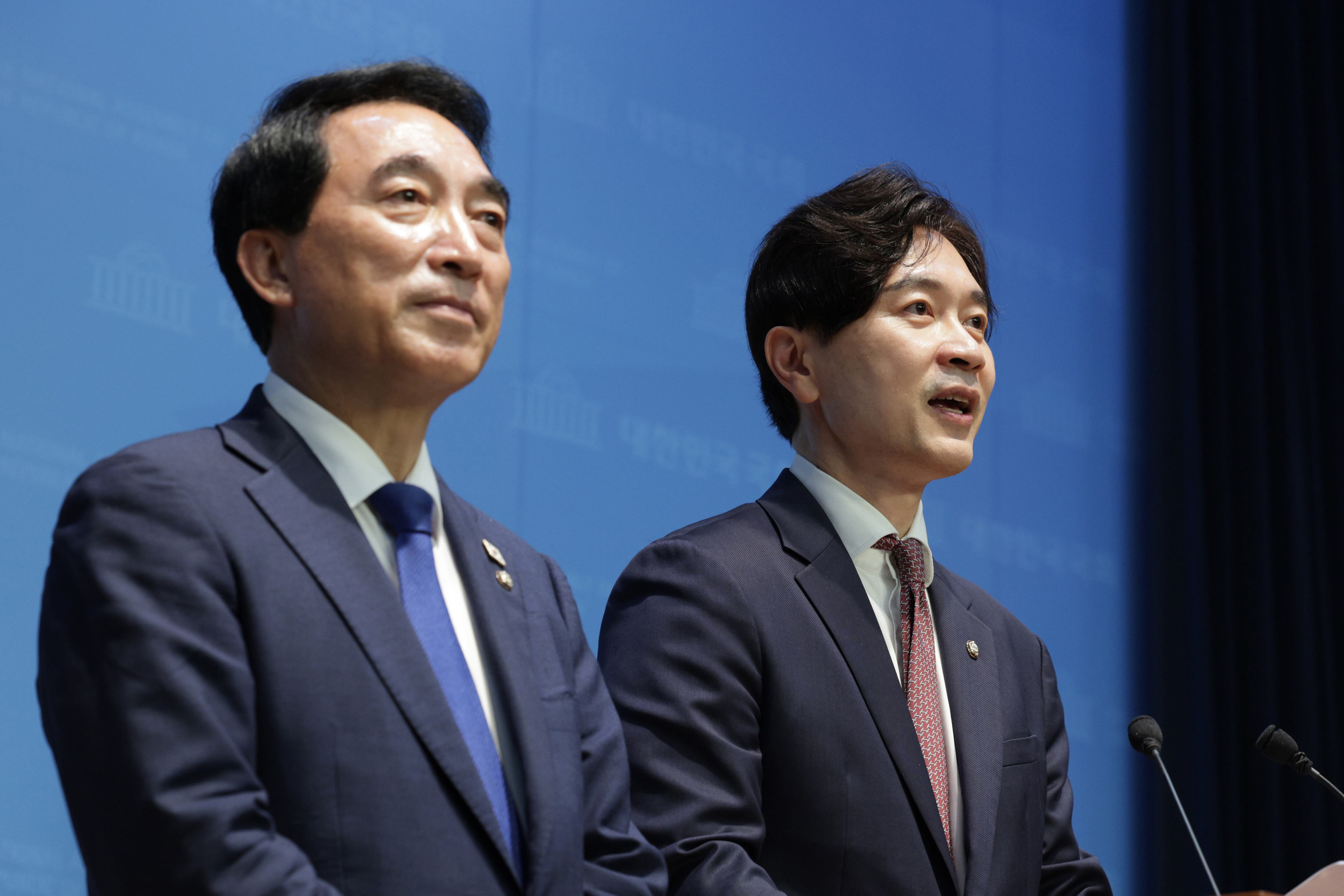
On this important day, both the Democratic Party of Korea and the People Power Party made strong statements regarding the importance of protecting Dokdo. They emphasized the need for unity and cooperation across political lines to safeguard the territory.
Park Soo-hyun, the chief spokesperson of the Democratic Party of Korea, highlighted the party's commitment to opposing any unjust claims of sovereignty over Dokdo. He stated, “Dokdo is clearly our territory historically, geographically, and under international law.” Park further elaborated on the significance of Dokdo, noting its role as a rich repository of marine ecosystems and fishery resources, as well as its strategic importance for security in the East Sea.
He also emphasized that Dokdo represents the sovereignty regained after overcoming Japanese imperialism’s history of aggression and exploitation. “Such attempts to distort history and injure the pride of our people cannot be tolerated,” he added.
Cross-Party Collaboration
Park Soo-hyun stressed the importance of cross-party collaboration in protecting Dokdo. He mentioned that it is a national mission requiring joint efforts from both ruling and opposition parties. While expressing hope for the future-oriented development of Korea-Japan relations, he pointed out that it is impossible to speak of friendship while continuing baseless territorial claims and historical distortions regarding Dokdo.
National Duty and Symbolism
Park Sung-hoon, the chief spokesperson of the People Power Party, echoed similar sentiments. He stated, “The People Power Party will take the lead in protecting Dokdo, a symbol of South Korea’s sovereignty.” Park emphasized that protecting Dokdo and enhancing its value is a duty and promise that all citizens must uphold.
He noted that Dokdo holds significant national value due to its militarily and strategically important location, as well as its rich ecosystems and substantial economic assets. “Protecting Dokdo, a precious heritage embodying the history and spirit of our nation, is not merely about territorial defense but about safeguarding the dignity of South Korea,” he said.
Ongoing Challenges
Park Sung-hoon also addressed the ongoing challenges posed by Japan. He mentioned that Japan has claimed in its Defense White Paper for the 21st consecutive year that Dokdo is its territory and continues to push forward with the “Takeshima Day” event. “For the peace of Northeast Asia and future-oriented Korea-Japan relations, Japan must cease its baseless assertions and attempts to distort history,” he urged.
Conclusion
The statements from both political parties highlight the shared commitment to protect Dokdo and maintain national sovereignty. The issue of Dokdo remains a critical aspect of South Korea's national identity and a symbol of resilience against historical injustices. As both parties emphasize the need for unity and cooperation, it is clear that the protection of Dokdo is not just a political issue but a matter of national pride and security. The continued efforts to safeguard Dokdo reflect the determination of the South Korean people to uphold their historical and legal rights.


Comments
Post a Comment