Documentary uncovers secret world of South Korean tattoo artists
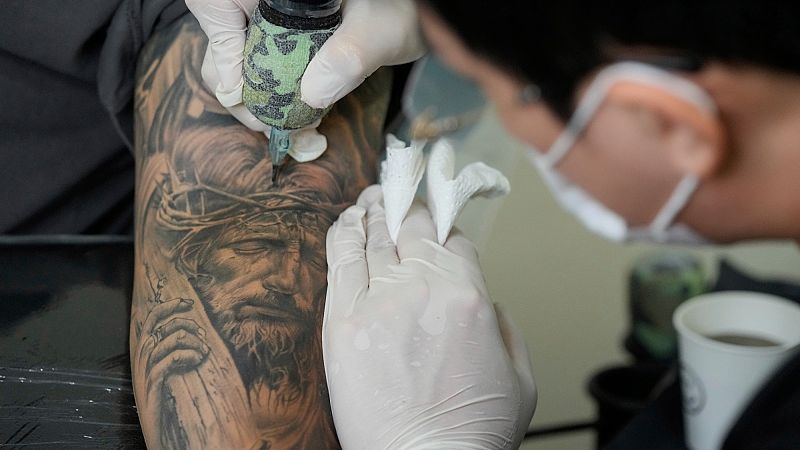
Tattoos have long been stigmatized in South Korea, with a history that dates back over a thousand years. Initially, tattoos were used to mark individuals for their crimes or to indicate their status as slaves, often inked on the face or arms. In the 20th century, the practice became associated with criminal gangs, further cementing its negative perception in society.
Despite this deep-rooted stigma and the fact that being a tattoo artist was considered a punishable offense for more than 30 years, the art form found a way to thrive underground. A 1992 Supreme Court ruling classified getting a tattoo as a medical procedure, which could only be performed by a licensed doctor. This legal framework made it nearly impossible for unlicensed artists to operate openly.
Recent government estimates suggest there are around 350,000 tattoo artists in South Korea, most of whom do not hold medical licenses and therefore practice illegally. However, this is beginning to change. Last month, Seoul took a significant step forward by legalizing tattoos performed by non-medical professionals, following a campaign led by artists advocating for their right to work freely.
A recent documentary titled “Angels,” directed by filmmakers Hicham Toula-Idrissi and Nancy-Wangue Musisa, offers a compelling look at the tattooists who have defied both societal stigma and the law to pursue their passion. The film highlights the challenges these artists face, including disapproval from family and the broader community.
One of the artists featured in the documentary, Gui Hee, shares her personal struggle with the stigma attached to tattoos. “I try to be confident and have nothing to hide — that’s my personality. Thinking about my life and future, my biggest problem is instability,” she says. For many, the decision to get a tattoo is not just an artistic choice but also a statement of identity and resilience.
Another artist, Héin, speaks about the frustration that comes with being tattooed in a society that still views it negatively. “I lived with my grandmother when I was younger, and when I walked by, older people would look at me. They would look at me and see the tattoo on my face and start to worry,” she recalls. These experiences reflect the ongoing challenges faced by tattoo artists in South Korea.
With the passage of the Tattooist Act, non-medical professionals — who make up the majority of the industry — will now have the opportunity to obtain a license to operate openly. However, several hurdles remain. The new law will not take effect for two years, and artists will need to pass a national exam, complete safety and hygiene training, and maintain detailed records of their work.
While the legal changes represent a major shift, changing public attitudes toward tattoos in South Korea will likely take much longer. The cultural stigma associated with body art is deeply ingrained, and overcoming it will require continued efforts from artists, advocates, and the broader community.
The journey of tattoo artists in South Korea reflects a larger story of resistance, creativity, and the pursuit of self-expression in the face of adversity. As the legal landscape evolves, so too does the possibility for a more inclusive and accepting society.


Comments
Post a Comment