Drone Revolution Sweeps Tanzania's Farms
Introduction to the Agricultural Drone Training Program
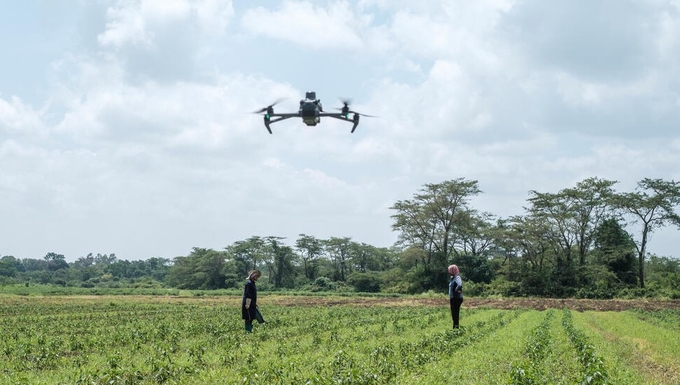
The Ministry of Agriculture has initiated a ten-day training program focused on the operation of agricultural drones for agricultural experts. This initiative is part of a broader strategy aimed at leveraging modern technologies to boost productivity and increase farmers' income. The program, which commenced today in Dodoma, underscores the government's commitment to adopting innovative solutions in the agricultural sector.
Key Objectives of the Training
The training was officially launched by the Deputy Permanent Secretary of the Ministry of Agriculture in charge of Irrigation and Agricultural Equipment, Athumani Kilundumya. During the launch, he emphasized the importance of ensuring that the skills acquired during the training are applied practically and directly benefit farmers. He also highlighted the government's goal of helping farmers increase their income and making the agricultural sector a catalyst for economic development.
Role of Drones in Modern Agriculture
Kilundumya further explained that the use of drones in agricultural activities such as soil analysis, farm monitoring, and pesticide application is vital for enhancing efficiency and reducing production costs. By integrating drone technology into farming practices, the ministry aims to create a more sustainable and productive agricultural system.
Collaboration with International and Local Experts
The training is being conducted by ROKO DC Company from India, in collaboration with experts from various departments and institutions within the Ministry of Agriculture and its stakeholders. These stakeholders include the Build a Better Tomorrow (BBT) program, the Tanzania Agricultural Research Institute (TARI), the Tanzania Fertilizer Regulatory Authority (TFRA), the Tanzania Plant Health and Pesticides Authority (TPHPA), and the Cashew Board.
Benefits of the Training Program
This collaborative effort brings together international expertise with local knowledge, ensuring that the training is both comprehensive and relevant to the specific needs of Tanzanian farmers. The program is designed to equip participants with the technical skills required to operate and maintain agricultural drones effectively.
Potential Impact on Farmers and the Economy
By improving the efficiency of agricultural operations, the use of drones can lead to higher yields and lower input costs, ultimately benefiting farmers and the broader economy. The government's investment in this training program reflects its vision of transforming agriculture into a more technologically advanced and economically viable sector.
Future Prospects
As the training progresses, it is expected that the participants will become key advocates for the adoption of drone technology in their respective regions. This initiative could serve as a model for similar programs in other parts of East Africa, fostering regional cooperation and knowledge sharing.
Conclusion
The launch of the agricultural drone training program marks a significant step forward in Tanzania's efforts to modernize its agricultural sector. With the support of international partners and local institutions, the program is poised to make a meaningful impact on farmers' livelihoods and the country's economic growth.


Comments
Post a Comment