Eastern Health Launches HPV Vaccination Drive
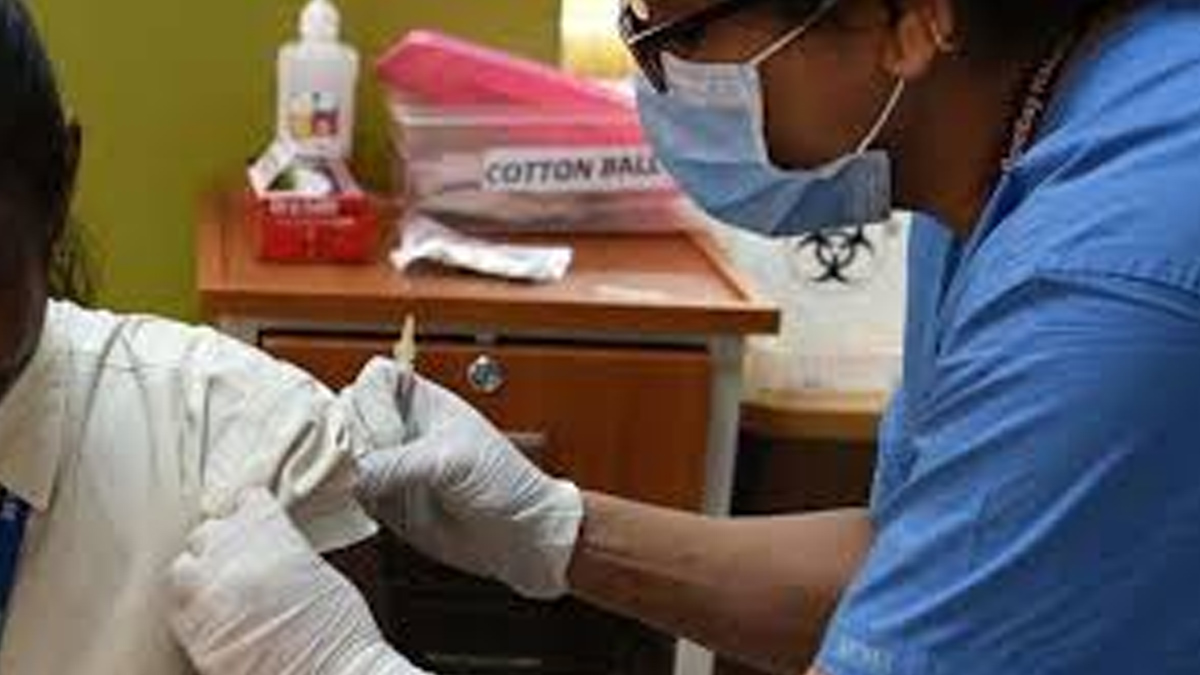
Launch of HPV Vaccination Campaign in Eastern Region
The Eastern Regional Health Directorate, in partnership with the Ministry of Health and various development partners, has initiated a Human Papillomavirus (HPV) vaccination campaign. This initiative aims to provide immunisation across all 33 districts of the region. The campaign is scheduled to run from October 8 to 12, 2025, and will target 202,000 girls aged between 9 and 14 years.
The launch event took place in Koforidua, where the campaign was introduced under the theme “United Against Cervical Cancer.” The event brought together a diverse group of stakeholders, including traditional leaders, media representatives, parents, staff from the Food and Drugs Authority, teachers, and students.
Dr. Damien Punguyire, the Eastern Regional Director of Health, highlighted the significance of the campaign during his address. He described the HPV vaccination rollout as more than just a public health initiative; it is a bold step toward eliminating cervical cancer. According to Dr. Punguyire, HPV is a sexually transmitted infection that can lead to cervical cancer.
In Ghana, cervical cancer ranks as the second leading cause of cancer-related deaths among women, following breast cancer. Dr. Punguyire emphasized that this disease affects women's sexual and reproductive health rights. He stressed that cervical cancer is preventable through early screening and treatment. Additionally, he pointed out that immunisation with the HPV vaccine offers strong and lasting protection against the virus types responsible for most cervical cancer cases.
Until recently, the HPV vaccine was only accessible to those who could afford it. However, Dr. Punguyire stated that health should never be a privilege but a basic human right. He noted that the Government of Ghana, with support from health development partners, is now providing the HPV vaccine free of charge to eligible Ghanaian girls.
To ensure effective delivery of the vaccine, three key strategies have been outlined:
- School-based approach: This involves reaching out to girls through schools, ensuring that they receive the vaccine in a familiar environment.
- Health facility-based approach: Vaccinations will be administered at health facilities, making it accessible to girls who may not attend school regularly.
- Community-based approach: This strategy focuses on engaging communities directly, raising awareness, and encouraging participation in the vaccination drive.
Dr. Punguyire urged all stakeholders to disseminate accurate information about the vaccine’s safety and to encourage young girls to get vaccinated. He emphasized the importance of collaboration between different sectors to achieve the campaign’s goals.
A speech delivered on behalf of the Eastern Regional Director of Education by Mr. Godfried Caesar, the Eastern Regional Coordinator for the School Health Education Programme (SHEP), highlighted the link between health and learning. He stated that quality education cannot be achieved if learners are not in good health. Therefore, the Education Directorate recognizes that good health is a foundation for effective learning.
Mr. Caesar noted that the Ghana Education Service at the national, regional, and district levels has partnered with the Ghana Health Service to ensure that eligible girls are reached through schools and communities. He also mentioned that the leadership of the Ghana National Council of Private Schools and the Ghana National Association of Private Schools had been engaged and sensitized. These organizations have disseminated information on the vaccination exercise to their member schools.


Comments
Post a Comment