EU Lawmakers Urge UN to Tackle Wildlife Trafficking by 2030
European Lawmakers Push for Wildlife Trafficking to Be Recognized as Organized Crime
European lawmakers are set to advocate for wildlife trafficking to be recognized as a form of organized crime by 2030 at the upcoming United Nations gathering in Uzbekistan. The event will focus on addressing the issue of wildlife protection from over-exploitation driven by international trade.
The mandate, agreed upon by lawmakers on Wednesday, includes specific attention to elephants, rhinoceros, wild birds, and amphibians. It also raises concerns about China's lack of transparency regarding its pangolin stockpiles. Additionally, lawmakers have called for increased protection for shark and ray species and have proposed a legally binding instrument to combat ivory trafficking within the EU.
“We’ve seen an increased demand for protected banned species, especially through online trade. We’ve seen hidden hunting for these listed species. We need illegal trade to be sustainable,” said lawmaker Esther Herranz-Garcia (Spain/EPP) during the plenary debate in the European Parliament.
The primary goal is to ensure that only legal and sustainable trade in wild fauna and flora occurs, aligning with long-term species conservation and efforts to halt biodiversity loss. Lawmakers have urged all countries to enhance their enforcement of the UN convention, noting that current provisions to ban and restrict wildlife trafficking are “inadequate.”
“We need greater digitalisation and better traceability that ensures control of the trade of these species. Together with border control as well as coercive measures in case of illegal activity,” added Herranz-Garcia.
European Commissioner for Environment Jessika Roswall emphasized the importance of the EU’s participation in the UN meeting on the Convention on International Trade in Endangered Species of Wild Fauna and Flora. She stated that it would be an opportunity to “strengthen the fight against wildlife trafficking” and “reinforce multilateralism cooperation.”
“It will be a crucial moment for global efforts to ensure that some trade flows do not threaten the survival of endangered wild species,” said Roswall.
Protecting Species Must Come Before Profit
Brussels has been taking action to tackle wildlife trafficking since 1983, when it began regulating trade at the EU level. However, it was not until 2016 that the bloc adopted its first plan to combat illegal wildlife trade. The 27-member bloc also supports online enforcement networks that enable information sharing among customs, police, and environmental authorities.
All member states are encouraged to implement UN regulations to ensure that trade in endangered species is strictly controlled, despite lawmakers considering these efforts insufficient.
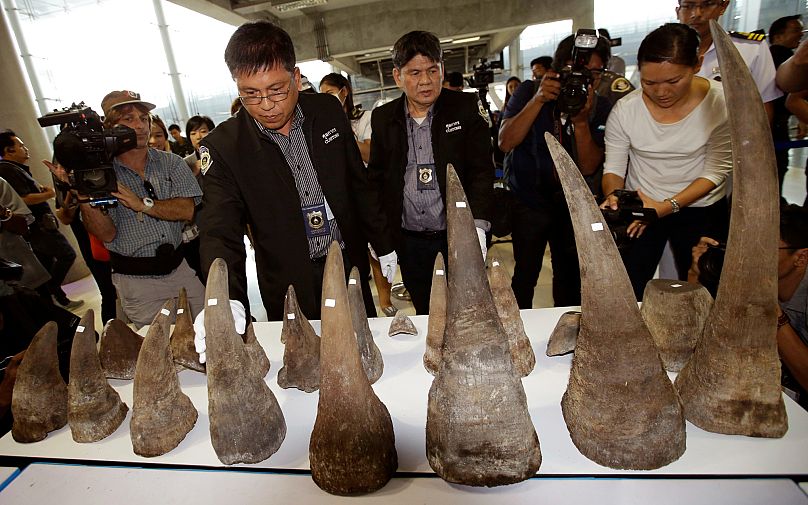
The International Fund for Animal Welfare (IFAW) welcomed the Parliament's resolution and called on the European Commission and EU countries to heed the lawmakers' position in the EU’s common negotiating stance in Samarkand. According to IFAW's report, the EU remains a central hub and destination for wildlife that has been ‘stolen’ from the Americas, Africa, Eastern Europe, Asia, and Oceania, highlighting the bloc's increased responsibility in curbing poaching.
“This resolution shows that the European Parliament wants the EU to take real responsibility for its role in the global wildlife trade,” said Ilaria Di Silvestre, director of policy and advocacy Europe at IFAW. “It’s a clear message that protecting species must come before profit.”
The UN Convention on International Trade in Endangered Species of Wild Fauna and Flora will take place in Uzbekistan's Samarkand from 24 November to 5 December.


Comments
Post a Comment