Geotechnical Work Finalized for Ørsted's 1.4 GW Incheon Offshore Wind Project
Key Development in South Korea's Offshore Wind Sector
South Korea is making significant strides in its renewable energy transition, with a major offshore wind project set to play a crucial role in achieving the nation’s 2050 emissions goals. The Incheon offshore wind farm, developed by Danish energy company Ørsted, is positioned to become the largest of its kind in the country. This initiative marks a critical step forward in the nation’s efforts to reduce carbon emissions and shift toward sustainable energy sources.
Completion of Geotechnical Investigations
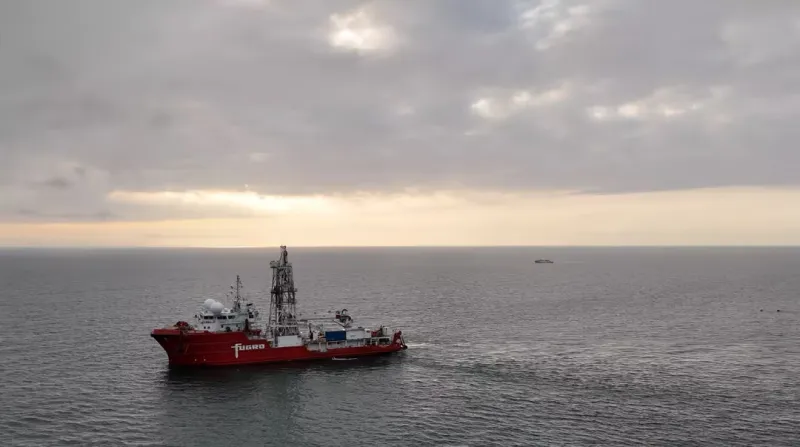
Recent progress has been made on the Incheon offshore wind project, with offshore geotechnical site investigations now complete. These investigations were conducted by Fugro UST21, a leading provider of marine geotechnical services. The data gathered from these studies will be essential in designing the foundations and cable routes for the wind farm across the entire development area.
The scope of the geotechnical work was extensive, covering various marine testing methods. These included seabed cone penetration testing, which provides detailed information about soil properties at different depths. Downhole sampling was also carried out to collect physical samples of the seabed materials. Additionally, pressure metre testing was performed to measure the resistance of the soil, and laboratory analysis was conducted to assess the physical and mechanical characteristics of the collected samples.
Strategic Location and Environmental Impact
The Incheon wind farm is located approximately 70 kilometers off the coast of Incheon, South Korea. Its strategic placement allows it to harness strong and consistent wind resources, making it an ideal location for generating clean energy. The project is expected to have a substantial impact on the country’s energy landscape, contributing significantly to the national goal of achieving net-zero emissions by 2050.
This offshore wind farm will not only help reduce reliance on fossil fuels but also support the growth of South Korea’s renewable energy sector. By investing in large-scale projects like this, the country is demonstrating its commitment to a sustainable future while also creating new opportunities for green jobs and technological innovation.
Future Prospects
With the completion of the geotechnical investigations, the next phase of the project will involve the actual construction of the wind farm. This includes the installation of wind turbines, the laying of underwater cables, and the development of necessary infrastructure to connect the project to the national power grid.
The success of the Incheon offshore wind project could serve as a model for future developments in South Korea and beyond. It highlights the importance of thorough planning and collaboration between international energy companies and local stakeholders to ensure the long-term viability of such projects.
As the world continues to focus on reducing carbon emissions, initiatives like the Incheon offshore wind farm are becoming increasingly vital. They represent a tangible step toward a cleaner, more sustainable energy future for South Korea and the global community.


Comments
Post a Comment