GM's EVs Double as Home Backup Generators. Upgrades Ahead
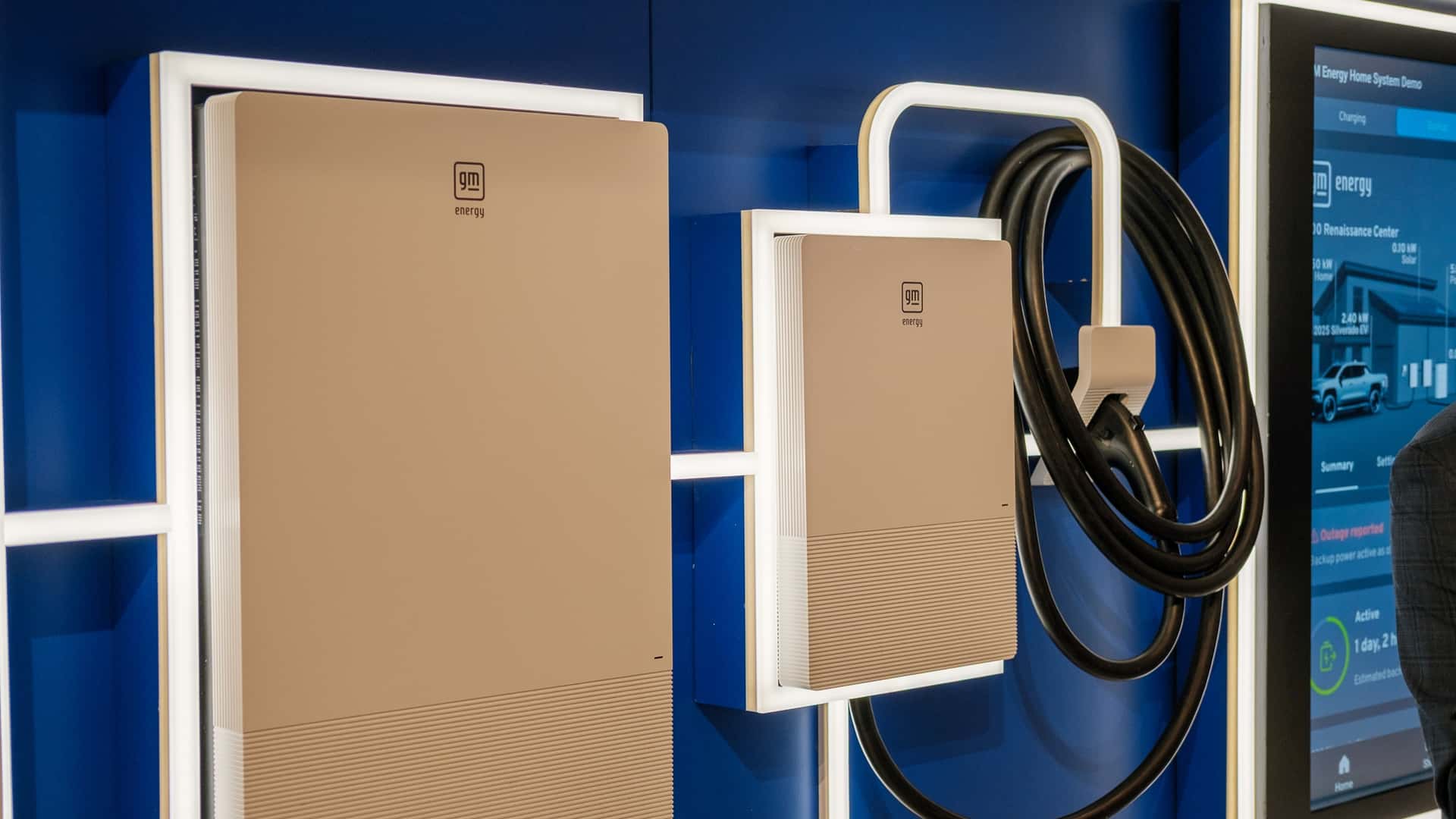
General Motors is enhancing the ability of its battery electric vehicles (BEVs) to share power, thanks to new upgrades and a leasing program. This initiative marks a significant step forward in making vehicle-to-grid (V2G) technology more accessible and practical for consumers.
Starting next year, General Motors' electric vehicles will be equipped with V2G capability. This feature will be part of GM's Energy Home ecosystem, which includes a Level 2 charger and a stationary power bank. The integration of V2G technology allows EVs to send energy back into the grid, helping to stabilize power supply during emergencies and blackouts.
Electric vehicles are essentially large batteries on wheels, capable of powering homes, running appliances, and even sending electricity back to the grid during blackouts or energy surges. While GM EVs already have some of these capabilities, the automaker is now building a more comprehensive ecosystem around battery power that could be more accessible to the public—while also being smarter.
Currently, GM EVs support bidirectional charging, also known as vehicle-to-load (V2L) functionality. This allows them to power external tools such as a coffee machine or an e-bike using the vehicle’s high-voltage battery. GM also offers a special vehicle-to-home (V2H) kit, which includes its Powershift charger. This kit enables owners to use their EV batteries as backup generators for their homes.
Starting in 2026, GM will lease out these systems as well. Although specific prices and terms will be announced later, this move is expected to lower the entry cost for the setup. Additionally, GM will offer a complete Energy Home system, including bi-directional EV charging equipment and a stationary battery similar to a Tesla Powerwall.
"In addition, if customers do not have a GM EV, they can still benefit from having access," said Aseem Kapur, the chief revenue officer for GM Energy, at yesterday's announcement in New York. "If they have solar power, or they just need access to backup generation, they can invest in a power bank system."
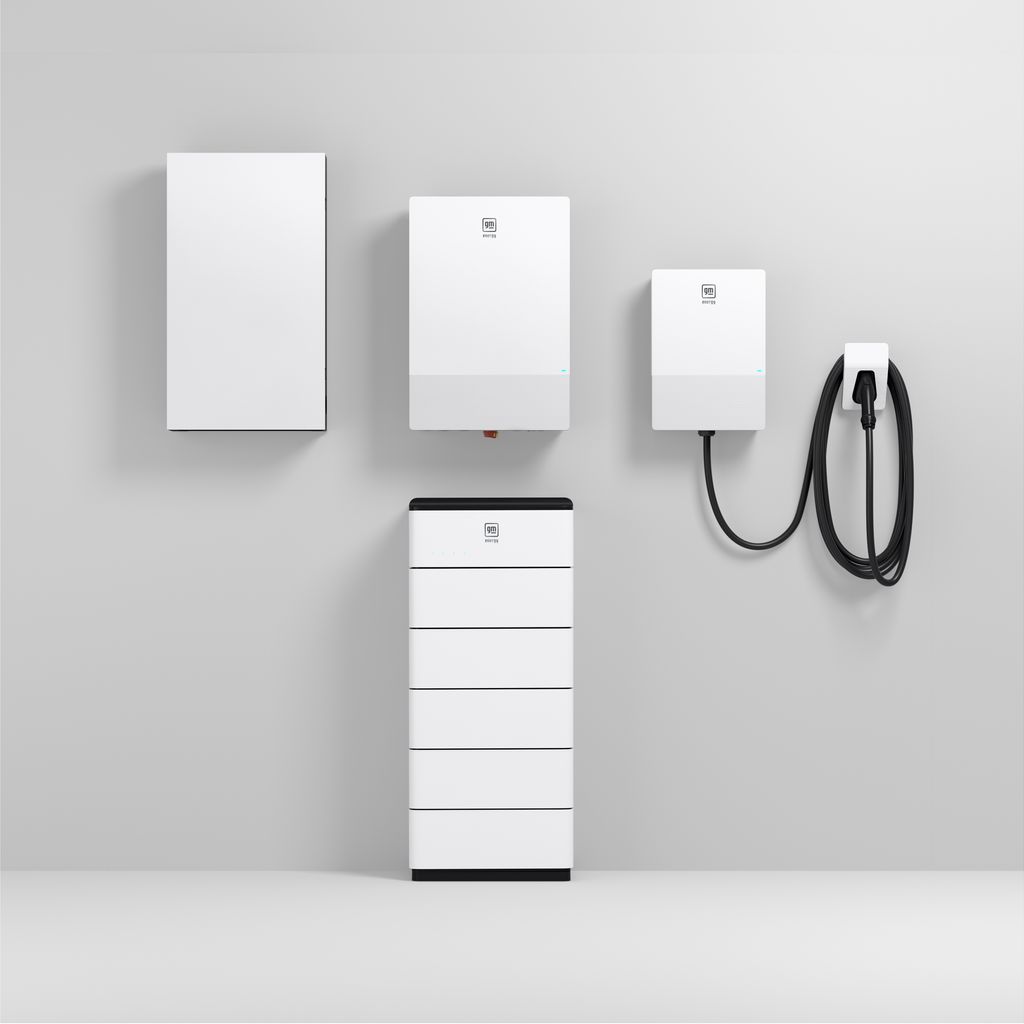
General Motors Energy Home System
Photo by: General Motors
Currently, GM’s Energy Home System (excluding the V2G component) costs about $13,600, before taxes and incentives. This includes the Level 2 home charger for your EV, a stationary energy storage battery, and the hardware for V2H. GM also sells a V2H bundle separately, which is slightly cheaper at $8,100, but doesn’t include the stationary power bank.
GM officials stated that lease prices will be announced later.
Some of GM’s full-size SUVs and trucks, like the GMC Sierra EV and Hummer EV, come with 200+ kilowatt-hour battery packs. That’s more than double the battery capacity of most mass-market EVs in the U.S. This substantial stored energy means owners could power their homes for days at a time, depending on household size and energy use.
If tens of thousands of EVs with such large battery packs feed power back into the grid, utility companies could better manage emergencies, directing electricity where it’s needed most for short periods. Depending on local and state V2G rules, owners might even earn payments for using their batteries, helping offset charging costs.
Experts previously interviewed by InsideEVs have noted that demand for such types of energy sharing is rising as natural disasters worsen due to global warming and power-hungry AI data centers overburden the grid. So, EVs are not only slashing emissions, they’re also having a broader climate impact by sharing power when it’s needed most.
Have a tip? Contact the author: suvrat.kothari@insideevs.com
'Vital To Our Future': How Lithium-Ion Batteries Are Saving The Grid
General Motors Has Big Plans For Your Old EV Battery
The World's Largest Tesla Supercharger Station Is Entirely Off-Grid
California May Require Bidirectional Charging EVs. That Could Save Lives


Comments
Post a Comment