Gut Bacteria and Postpartum Depression: Fermented Foods Alleviate Symptoms – Japanese Study
Understanding the Link Between Gut Health and Postpartum Depression
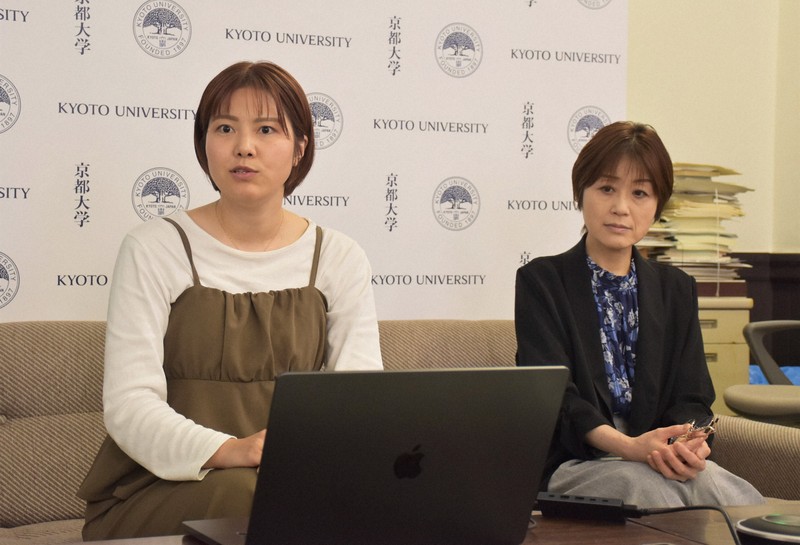
A recent study conducted by researchers at Kyoto University has uncovered a potential connection between postpartum depression and the condition of gut microbiota, as well as dietary habits. This research highlights how maintaining a balanced diet and incorporating specific foods may help improve the gut environment for women who have recently given birth, thereby supporting both their physical and mental health.
Since the emergence of the COVID-19 pandemic, there has been a noticeable increase in the risk of postpartum women developing depression. It is estimated that around 30% of women experience symptoms of depression, which can manifest up to five years after childbirth. These findings underscore the importance of understanding and addressing the factors contributing to this condition.
Previous studies have indicated that the composition and quantity of gut microbiota differ between individuals with depression and those without. However, research specifically focused on postpartum women remains limited. As a result, scientists are working to identify biomarkers that could aid in the early detection of depressive symptoms in this population.
The Study and Its Key Findings
The Kyoto University research team conducted an extensive study involving 344 postpartum women, all of whom had children under the age of four and did not suffer from any mental or physical illnesses. They assessed the severity of depressive symptoms and found that 48 women were at high risk.
Following this, the team analyzed the relationship between the state of gut microbiota in the large intestine and the presence of depressive symptoms. Their findings revealed that individuals with a greater diversity and abundance of gut bacteria tended to experience milder symptoms. Notably, the presence of "Lachnospira," a type of bacteria involved in the production of butyric acid—known for its positive effects on gut health—was linked to reduced depressive symptoms.
In addition to analyzing gut microbiota, the researchers examined dietary patterns. They discovered that women who consumed more soy products, fermented foods like yogurt, as well as seaweed, mushrooms, and fruits, exhibited less severe depressive symptoms. These individuals also had higher levels of Lachnospira compared to those with lower consumption of these foods.
Dietary Interventions and Mental Health
Professor Masako Myowa, from Kyoto University's Graduate School of Education, who specializes in neuroscience, suggests that consciously consuming foods such as tofu and yogurt may help reduce the risk of postpartum depression for many women. This insight opens the door to potential dietary interventions that could support mental well-being during the postpartum period.
Looking ahead, the research team aims to further explore the causal relationship between postpartum depression and the state of gut microbiota and dietary habits. Their ultimate goal is to develop effective support methods that can lead to the early detection and prevention of depressive symptoms in postpartum women.
The findings of this study were published in the online edition of the American scientific journal PNAS Nexus on September 2.


Comments
Post a Comment