HMI Medical Introduces Hinotori Robotic System in Malaysia
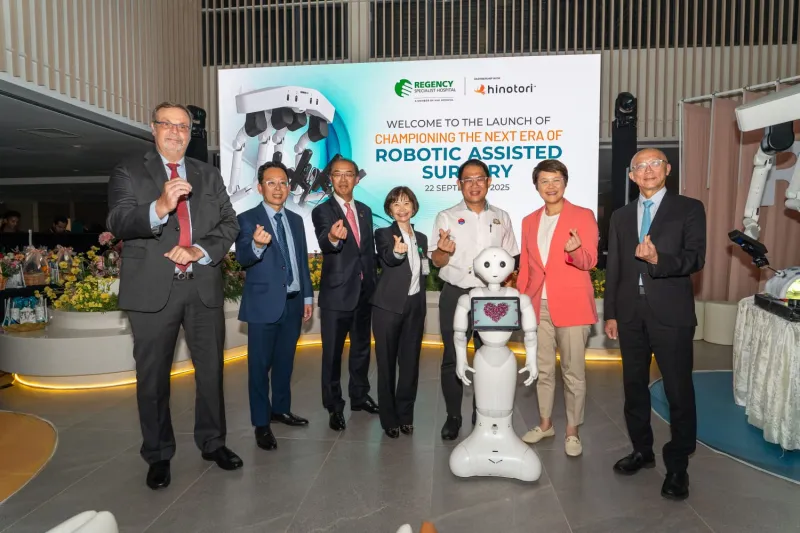
Introduction to the Hinotori Surgical Robot System
The medical field is continuously evolving, with new technologies emerging to enhance surgical procedures and improve patient outcomes. One such innovation is the Hinotori surgical robot system, which has recently been introduced in Malaysia by HMI Medical. This advanced robotic technology is now available at two prominent healthcare facilities: Mahkota Medical Centre in Malacca and Regency Specialist Hospital in Johor.
Key Features of the Hinotori Surgical Robot
The Hinotori system is equipped with robotic arms and a high-definition 3D camera, allowing for precise and detailed visualization during operations. These components are controlled through a surgeon’s console, enabling the surgical team to perform complex procedures with greater accuracy and control. The integration of these advanced tools ensures that surgeons can navigate even the most challenging anatomical structures with ease.
Applications in Various Surgical Fields
This cutting-edge technology is designed to support a wide range of surgical procedures, including those in urology, gynaecology, colorectal surgery, and general surgery. By offering robotic assistance in these areas, the Hinotori system helps to reduce the invasiveness of surgeries, leading to shorter recovery times and fewer complications for patients.
Expansion of Robotic-Assisted Procedures
Chin Wei Jia, the Group CEO of HMI Medical, emphasized the significance of introducing the Hinotori system in Malaysia. According to Wei, this technology allows the company to expand its capacity to provide robotic-assisted procedures to eligible patients. The implementation of such advanced systems marks a significant step forward in the delivery of modern healthcare services.
Benefits for Patients and Surgeons
One of the primary advantages of the Hinotori system is its ability to facilitate quicker recovery times for patients. The precision offered by the robotic arms and 3D imaging reduces the risk of damage to surrounding tissues, which in turn minimizes post-operative pain and accelerates healing. Additionally, the enhanced visualization provided by the 3D camera enables surgeons to perform more complex procedures with greater confidence and efficiency.
Enhancing Patient Outcomes
Wei also highlighted the positive impact of the technology on patient outcomes. With the use of robotic-assisted procedures, patients can expect better results, including reduced hospital stays and improved long-term health outcomes. This aligns with the broader goal of modern medicine to deliver high-quality care while minimizing the physical and emotional toll on patients.
Future Prospects
As HMI Medical continues to invest in advanced technologies like the Hinotori system, it sets a precedent for other healthcare providers to follow. The introduction of robotic-assisted surgery in Malaysia not only enhances the capabilities of local hospitals but also positions the country as a leader in adopting innovative medical solutions. This development underscores the importance of staying at the forefront of technological advancements in the healthcare sector.
Conclusion
The Hinotori surgical robot system represents a significant leap forward in the field of surgery. Its advanced features and applications across multiple specialties make it a valuable asset for both surgeons and patients. As more healthcare institutions adopt this technology, the benefits of robotic-assisted procedures will become increasingly evident, paving the way for a future where precision and efficiency are the cornerstones of medical care.


Comments
Post a Comment