Hunter who traveled 3,000 miles for Nessie claims to detect strange sound
A Journey into the Unknown
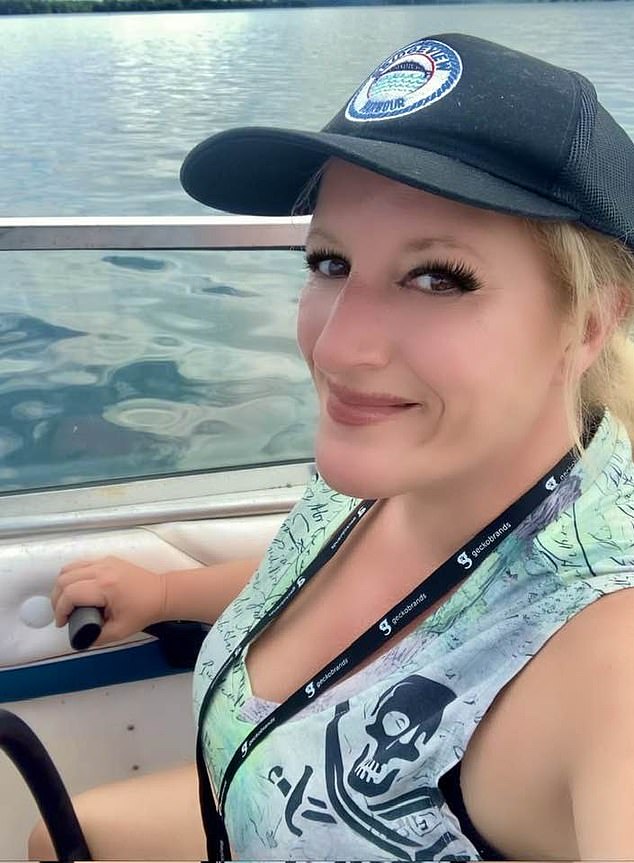
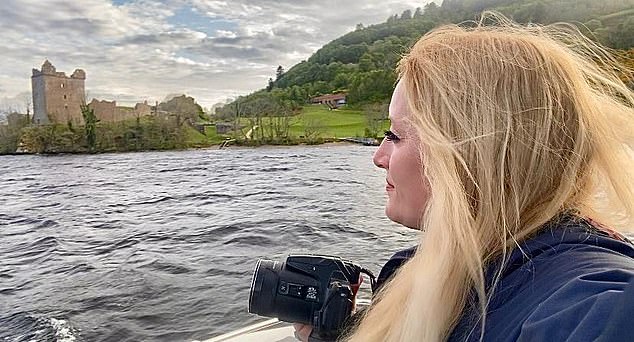
For nearly 15 years, a woman has devoted her life to searching for creatures that many believe are only myths. Now, she has turned her attention to one of the most famous legends in the world—Loch Ness. Katy Elizabeth, a cryptozoologist from Florida, has traveled over 3,000 miles with advanced equipment, including wildlife cameras, underwater microphones, and a deep-diving robot, in hopes of uncovering evidence of Scotland’s mythical beast.
Elizabeth, who is 40 years old, has always been fascinated by the idea of undiscovered creatures. She recalls that she dreamed of making this trip since she was just seven years old. As part of her upcoming documentary titled Expedition Scotland: The Search at Loch Ness and Loch Morar, she has spoken to witnesses and recorded 20 hours of underwater sounds in her quest for proof of the Loch Ness Monster.
She believes there is already one “strange sound” that deserves further investigation. “I’m not sure exactly what it was yet,” she said. “Because I have to go over every type of fish and underwater creature in Loch Ness and the sounds they make. It doesn’t sound like a boat motor or anything like that—I’m very familiar with those sounds.”
From Lake Champlain to Loch Ness
Elizabeth, based in Warwick, Rhode Island, has spent several months each year since 2012 exploring Lake Champlain, located in Orlando, Florida. There, she investigated reports of a mysterious creature known as Champ. Since the 17th century, there have been over 600 sightings of a long, underwater animal in the 124-mile-long lake.
During her search there, Elizabeth recorded “complex” underwater clicks that she believes prove the existence of undiscovered creatures. She theorizes that these noises could be echolocation used by large animals to hunt, navigate, and communicate. She even suggests there may be a link between these findings and the creature believed to inhabit Loch Ness.
She thinks that these animals are likely “a related species, if not the same species.” She also finds it intriguing that there are similar reports of water-based creatures around the world. “The Native Americans here call these animals the horned serpents,” she said. “Then you talk about the Celts, with the water horse and the kelpies. At that time, these people didn’t interact with each other that we’re aware of. So, to me, it’s more than just a myth.”
The Mystery Continues
Elizabeth has a documentary coming out on Amazon Prime in December about her journey. In a potential teaser for what she plans to discuss in the documentary, she hinted at a theory involving the ocean. “My theory has to do with the ocean,” she said. “There’s a connection there somehow. That’s all I’m going to say.”
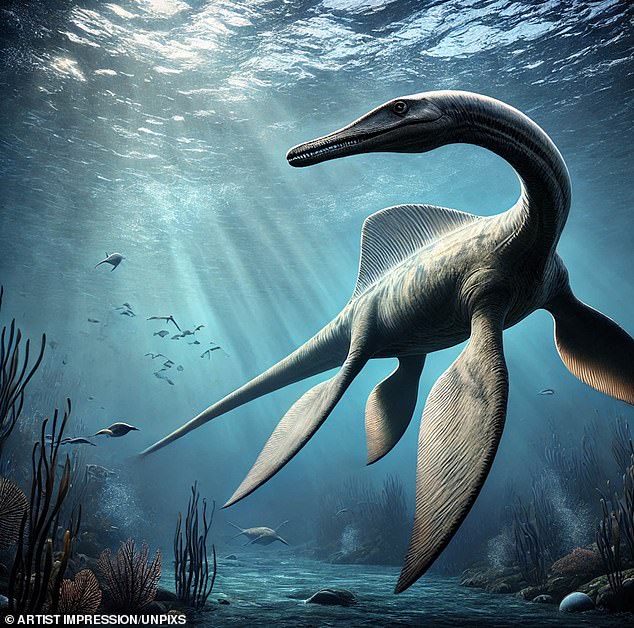
The legend of the Loch Ness Monster continues to captivate people around the world. Some believe that the creature has finally been captured on film after a remarkable discovery beneath the loch. Others wonder if the collaborative research by Loch Ness Exploration will finally reveal the truth about Nessie's existence. Could footage recently captured show the legendary creature in action as it hunts its prey in the murky depths of Loch Ness?
Meanwhile, some speculate that an unusual creature seen at the Bristol Zoo Project might be the UK's next Loch Ness Monster. And then there are those who claim that Nessie has resurfaced, with a woman reporting an eerie encounter where the monster supposedly plunged back into its secretive underwater lair. Whether these stories are true or simply the result of imagination, the mystery of the Loch Ness Monster remains one of the most enduring enigmas in the world of cryptozoology.


Comments
Post a Comment