Ireland's Connolly Triumphs in Presidential Election
Catherine Connolly's Landslide Victory in Ireland's Presidential Election
Catherine Connolly, an independent leftist candidate, has secured a decisive victory in Ireland's presidential election, according to official results. Her win, which garnered over 64.7% of the vote, marks a significant shift in the country's political landscape and serves as a strong rebuke to the center-right coalition government.
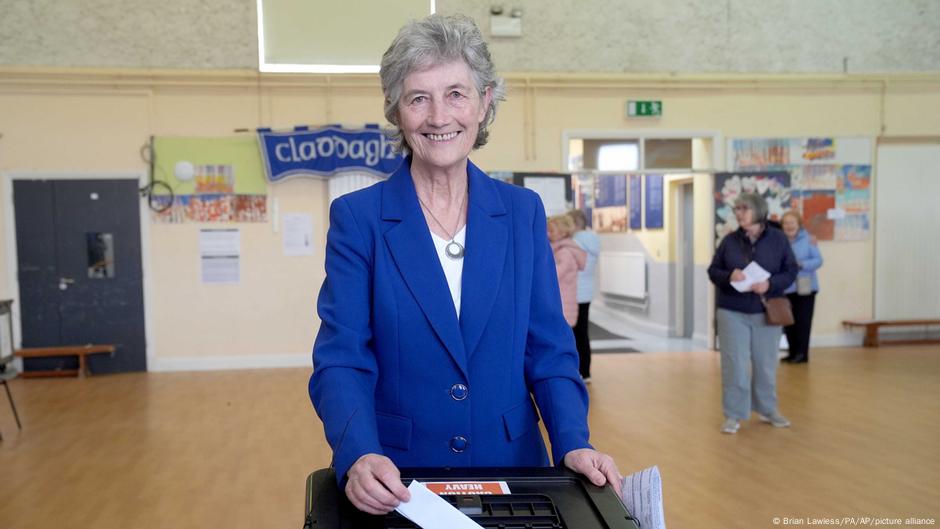
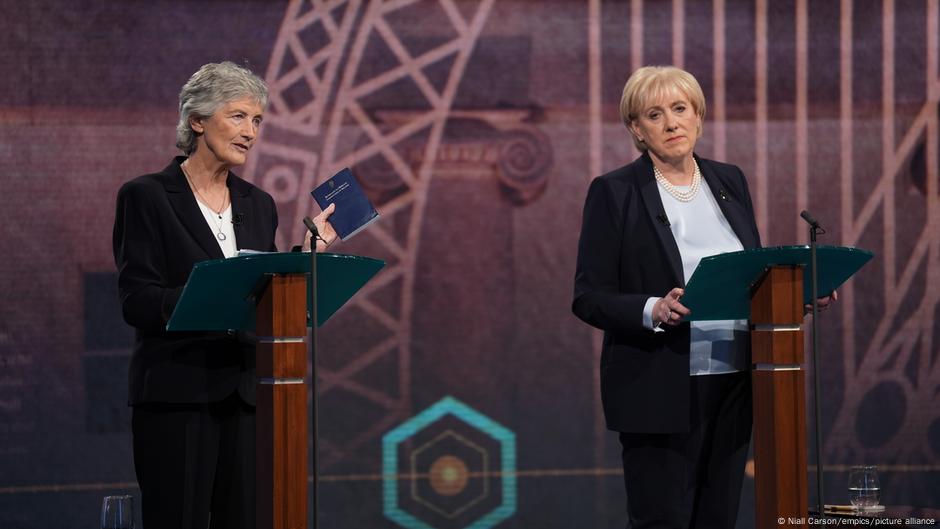
Connolly, who was supported by the left-wing opposition, defeated Heather Humphreys of the centrist Fine Gael party, who received 28.2% of the votes. Jim Gavin of the Fianna Fáil party came in third with just over 7%, although he had withdrawn from the race earlier this month due to controversy surrounding a rent payment scandal. This left Connolly and Humphreys as the primary contenders for the presidency.
Gavin and Humphreys' parties are part of a coalition government that also includes the Green Party. Connolly will succeed Michael D Higgins, who has held the largely ceremonial role since 2011 after serving two full terms.
Who is Ireland's New President, Catherine Connolly?
At 68 years old, Connolly is a seasoned lawmaker from Galway. Her campaign focused on themes of "peace," "unity," and "neutrality." As a fluent Irish speaker, she represents the far-left of Ireland's political spectrum and was endorsed by several left-leaning parties, including Sinn Féin, Labour, and the Social Democrats.
Despite Ireland's strong pro-EU stance, Connolly has been critical of both the United States and the European Union. She has voiced concerns about increased military spending in the EU since the war in Ukraine began and has drawn comparisons between defense spending in Germany and the 1930s. Additionally, she has criticized the US, UK, and France for their roles in the conflict in Gaza.
These positions may place her at odds with Ireland's center-right government, which could lead to future tensions in the political arena.
Voters Express Anger with All of Ireland's Parties
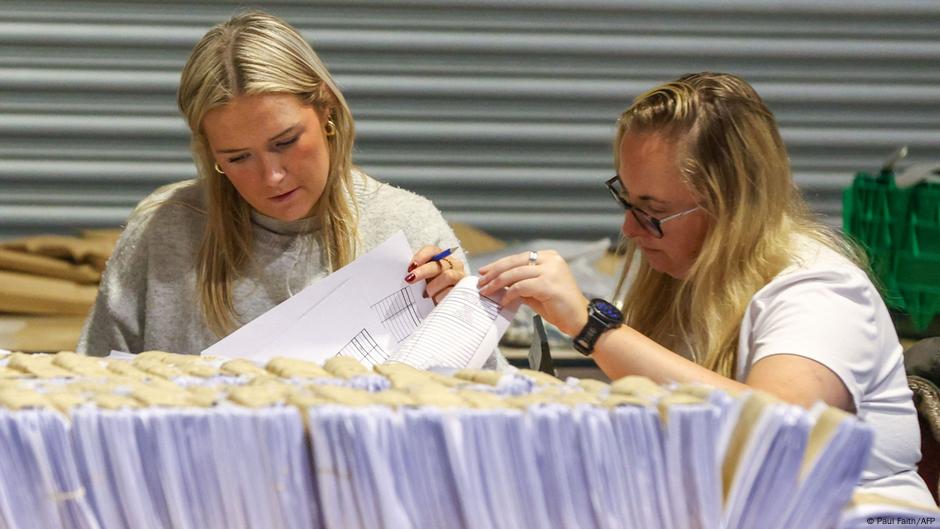
The election was marked by low voter turnout, with only 46.3% of eligible voters participating. According to The Irish Times, as many as one in eight voters submitted spoiled ballots. Right-wing figures encouraged voters to spoil their ballots as a form of protest against the lack of conservative candidates and to express frustration over issues such as immigration and crime.
Ireland has experienced sometimes violent protests against the rising number of asylum seekers, which is exacerbating the country's housing crisis and increasing homelessness. Eoin O'Malley, a political science professor at Dublin City University, told AFP that the election effectively became a "referendum on the center-right government." He noted that the high number of spoiled ballots reflects deep anger and dissatisfaction with all political parties, which have avoided discussing critical issues like immigration.
Who Else Considered Running?
Several high-profile individuals initially considered running for president but eventually withdrew. Conor McGregor, an Irish mixed martial arts fighter, announced his withdrawal in September. Known for his anti-immigration views, McGregor visited the White House in March as a guest of former US President Donald Trump for St. Patrick's Day celebrations. He was recently convicted in a civil rape case and faces ongoing legal battles in the US.
Other notable figures who showed interest in the presidency included musician Bob Geldof and "Riverdance" performer Michael Flatley, both of whom ultimately decided not to run.
Edited by: Zac Crellin
Author: Karl Sexton (with AFP, Reuters)


Comments
Post a Comment