Is AI Writing Always Harmful?
The Evolution of Expression
In the realm of aesthetics and communication, there has always been a tension between natural and artificial. A conversation with an acquaintance in the aesthetic medical field brought this to light when discussing the so-called "Gangnam Beauty." While it may align with conventional beauty standards, the distinctive plastic surgery often results in an eerie imbalance. This led me to question why anyone would pursue such transformations. The explanation was that Gangnam Beauty emphasizes unnatural contrast on the face, making one appear exceptionally photogenic. However, the answer felt too polished, prompting further inquiry after moving our gathering. With a slurred tongue, they finally confessed: some find post-surgery unnatural beauty preferable. Even a doctor who saves lives agreed.
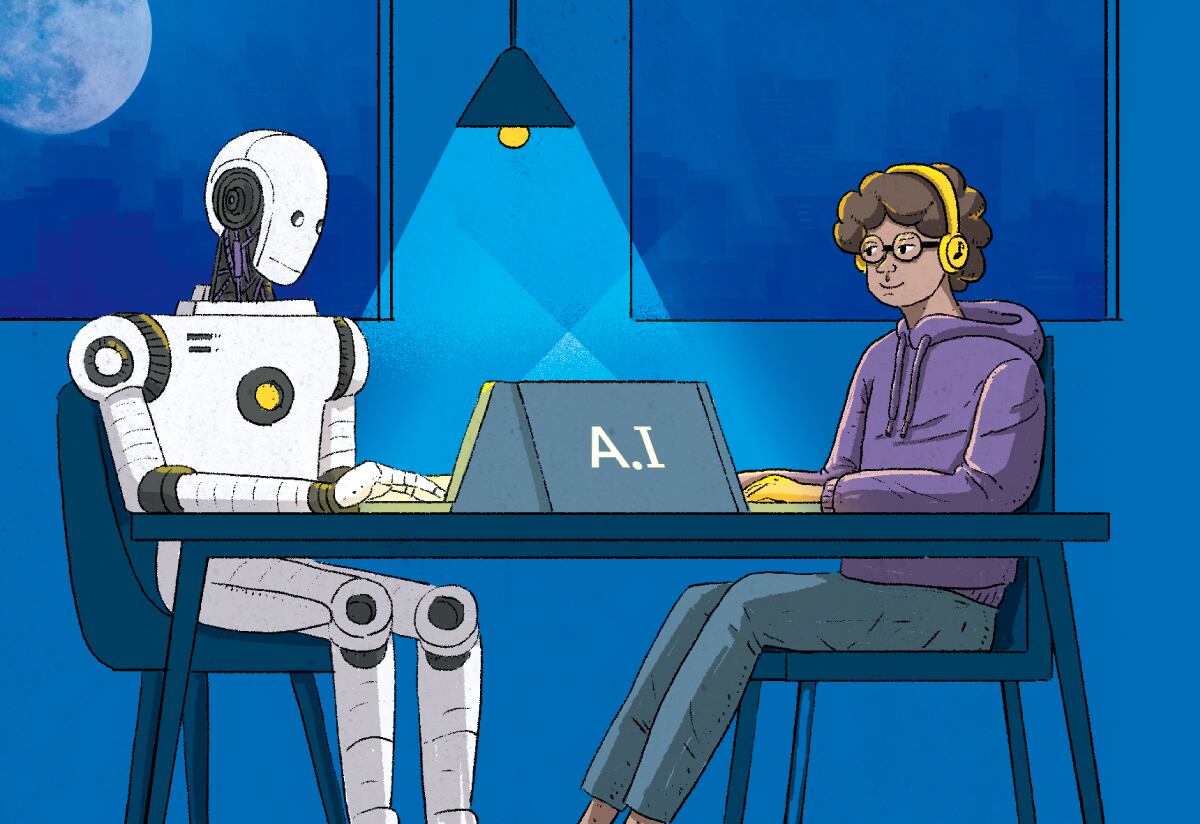
This old discussion resurfaced after encountering recent admonitions about the AI-driven writing trend. Writing is a method of systematically translating human thought. It’s an intellectual process of stringing scattered ideas into logic, shaping vague sensations into language, and compressing them onto paper for others to share. Outsourcing this to AI is no different from delegating one’s thinking—an extension of long-standing critiques once reserved for television.
The Nature of AI-Generated Text
AI-generated text is detectable. Writers sense it acutely, and even avid readers can spot it. If a piece uses overly smooth, round words that avoid offense and feels like a polished self-introduction letter wrapped in euphemisms, it’s likely AI-written. It’s akin to an affection-starved overachiever writing to impress a teacher. While my aesthetic sense may reject it, AI writing, like Gangnam Beauty, has its merits. Both are forms of technology-driven democratization.
Just as the value of beauty became democratically accessible through advancements in plastic surgery, AI writing opens channels of expression for the functionally illiterate—a revolutionary shift. Legacy media’s monopolized public sphere was democratized by social media, granting everyone a voice. Yet, the noise from these voices degraded the quality of discourse. But if AI refines that noise into smooth, articulate speech, is this entirely negative? Let’s not forget: for some, AI-assisted writing is better than the alternative.
The Dual Nature of Technology
Technology has always played a dual role in society—offering both opportunities and challenges. In the case of AI writing, it's clear that it provides a platform for those who might otherwise struggle to express themselves. This democratization of expression is significant, especially for individuals who lack the traditional skills required for effective communication. By offering a tool that can transform raw thoughts into coherent text, AI bridges a gap that has long existed in the literary world.
However, this shift also raises important questions about authenticity and originality. As more people rely on AI to craft their messages, the line between human creativity and machine assistance becomes increasingly blurred. Is the essence of writing being lost in the process? Or is it evolving into something new and potentially more inclusive?
The Future of Communication
Looking ahead, the integration of AI into writing practices will likely continue to grow. As the technology improves, it may become even more adept at capturing the nuances of human expression. This could lead to a future where AI is not just a tool for the functionally illiterate but a collaborator for all writers, helping them refine their ideas and enhance their work.
Yet, it's essential to approach this evolution with caution. While AI can offer valuable support, it should not replace the unique perspectives and experiences that each individual brings to the table. The goal should be to use technology as a means of empowerment rather than a substitute for human creativity.
In conclusion, the rise of AI writing represents a significant shift in how we communicate. It offers new possibilities for expression while also challenging us to rethink what it means to write. As we navigate this changing landscape, it's crucial to balance the benefits of technology with the enduring value of human insight and artistry.


Comments
Post a Comment