Kori Unit 2 Restart Delayed Once More
Delays in Nuclear Reactor Restart Approval Raise Concerns
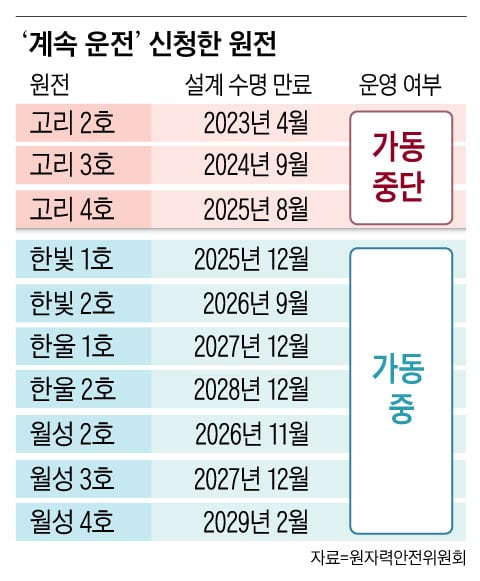
The restart approval for the Kori Nuclear Power Plant Unit 2, which ceased power production in April 2023 after exceeding its 40-year operational license period, has been delayed again. This delay is part of a broader pattern affecting other reactors, including Kori Units 3 and 4, Hanbit Units 1 and 2, and Wolsong Units 2, 3, and 4, whose licenses have either expired or are nearing expiration. These delays could lead to increased reliance on more expensive LNG power generation, resulting in significant economic losses. Additionally, concerns are growing about the ability to meet surging electricity demand driven by climate change and the AI era.
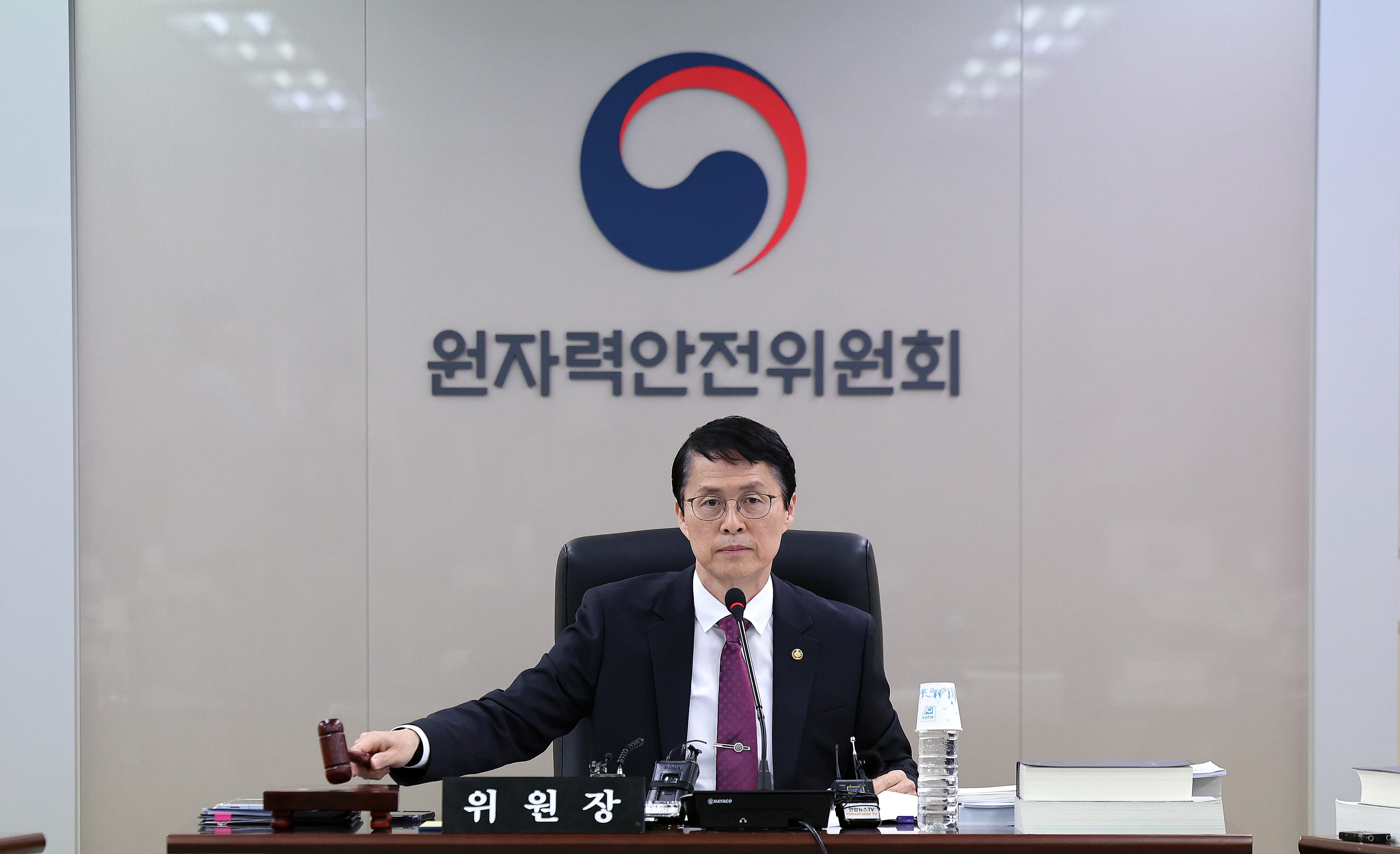
The Nuclear Safety and Security Commission (NSSC) postponed a decision on whether to allow continued operation of Kori Unit 2 during a review on the 23rd and will reconvene on the 13th of next month. Earlier, the NSSC had also delayed a decision in late last month after some members raised concerns about “assessing the probability of aircraft terrorism risks.” Professor Jeong Bum-jin of Kyung Hee University’s Department of Nuclear Engineering stated, “A national loss of approximately 1.3 billion won occurs daily due to the shutdown of Kori Unit 2,” adding, “The NSSC is too complacent in postponing critical national decisions.”
Prolonged Shutdown of Kori Units 2, 3, and 4… Concerns Over Inability to Meet AI-Driven Power Demand
Even if Kori Unit 2 had received approval in this meeting, restart preparations would have delayed its resumption until the first half of next year at the earliest. The issue is that further delays in approval will reduce the operational period even if a 10-year extension is granted, as the extension period is calculated from the date of shutdown. If approved immediately, Kori Unit 2—which halted operations in April 2023—could operate for only about 7.5 years, excluding the 31 months already lost. License extensions are typically applied for while reactors remain operational, but under the Moon Jae-in administration’s nuclear phase-out policy, applications were delayed. Nine reactors, including Kori Unit 2, are currently under review for license extensions, and delays are inevitable. Kori Units 3 and 4 are also currently shut down.
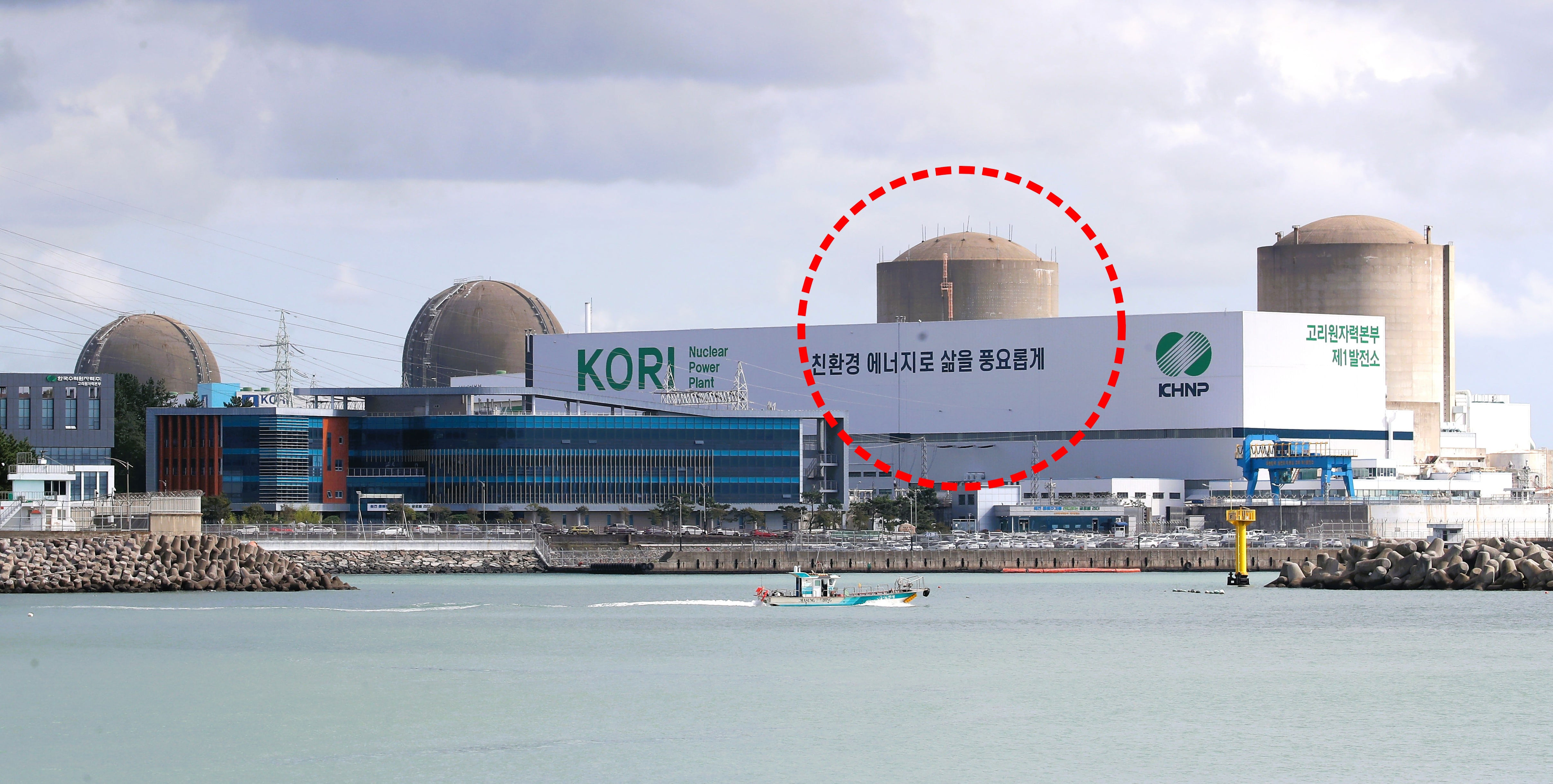
Kori Unit 2, a 685-megawatt (MWe) pressurized water reactor, began commercial operation on April 9, 1983. It stopped in April 2023 after reaching its 40-year design lifespan. Korea Hydro & Nuclear Power (KHNP) applied to the NSSC in April 2022 for a 10-year operational extension. Delays in the review have left the reactor idle for 2 years and 7 months, with estimated national losses exceeding 1 trillion won. This figure reflects the additional cost of using imported LNG to compensate for the power not generated by Kori Unit 2.
The NSSC meeting on the day had seven attendees, as the terms of two People Power Party-recommended commissioners ended on the 12th. The accident management plan for Kori Unit 2, addressing emergency responses to potential severe accidents, was approved with six votes in favor and one against. However, the restart approval proposal faced division due to concerns raised by Democratic Party of Korea-recommended commissioner Jin Jae-yong (a lawyer from Gangnam Law Firm) regarding the radiation environmental impact assessment.
Global Trends in Reactor Lifespan Extensions
Overseas, most commercial reactors that have reached the end of their operational periods receive continued operation approvals. In the U.S., 84 of 92 reactors (approximately 91%) have received 20-year extensions beyond their initial 40-year licenses. According to a January report by the International Atomic Energy Agency, over 60 reactors worldwide received continued operation approvals in five years, accounting for about 15% of all reactors.
As the NSSC delays Kori Unit 2’s restart approval, concerns grow about stable power supply. Including Kori Unit 2, KHNP has applied for continued operation of 10 reactors, representing 30% of South Korea’s total nuclear capacity. Hanbit Unit 1, whose license expires in December, is also likely to face an unavoidable shutdown under current circumstances.
Meanwhile, environmental groups, including the Korea Federation for Environmental Movements and the Anti-Nuclear Network, held a rally in front of the NSSC, demanding an immediate halt to the “illegal review of Kori Unit 2’s lifespan extension.” Earlier, the groups filed a lawsuit and requested a provisional injunction at the Seoul Administrative Court, arguing that the NSSC’s review process was unlawful.


Comments
Post a Comment