New York Stocks Hit All-Time Peaks
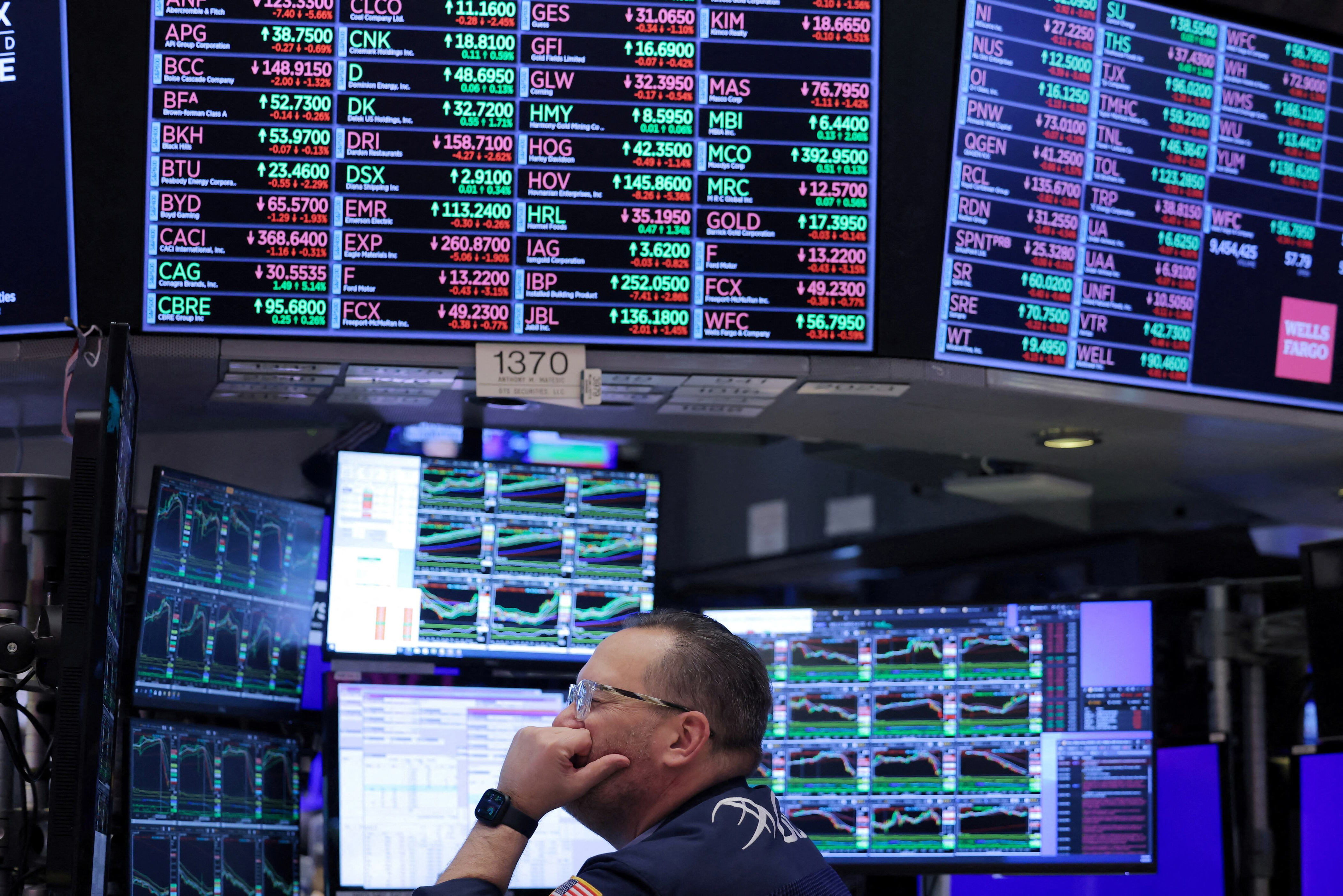
U.S. Stock Markets Reach New Heights
Last night, the three major New York stock indices once again reached new all-time highs. This surge was largely driven by the U.S. Consumer Price Index (CPI) inflation rate falling below expectations, which helped ease concerns about rising prices. September’s CPI showed a 3% year-on-year increase, consistent with the previous month's 2.9%, which was lower than what the market had anticipated.
Key Indices Performance
On the 24th, the Dow Jones 30 Industrial Average on the New York stock market closed at 47,207.12, gaining 472.51 points (1.01%) from the previous session. The S&P 500 Index closed at 6,791.69, up 0.79%, while the Nasdaq Index closed at 23,204.87, climbing 1.15%.
Federal Reserve Expectations
There were also growing expectations that the U.S. Federal Reserve (Fed) would maintain its monetary easing stance. According to the CME FedWatch Tool, which tracks the likelihood of Fed rate changes, the interest rate futures market suggests a 97% probability that the Fed will lower the benchmark interest rate by 0.25 percentage points to 3.75–4.00% during the Federal Open Market Committee (FOMC) meeting on the 28th–29th.
Strong Gains in Banking Stocks
Anticipating continued monetary easing, major banking stocks such as JPMorgan Chase, Wells Fargo, and Citigroup all showed strong gains. JPMorgan Chase rose by 2.0%, Wells Fargo by 2.31%, and Citigroup by 2.16%.
Tech Sector Surges
In the tech sector, IBM saw a significant jump of 7.9% following reports that it could use AMD’s chips for specific quantum computing algorithms. This news also contributed to a 7.6% rise in AMD's stock price.
South Korean Economic Indicators to Watch
Meanwhile, next week, key South Korean economic indicators are set to be released, drawing attention to their potential impact on the stock market. The Bank of Korea will announce the preliminary real gross domestic product (GDP) statistics for the third quarter on the 28th. In its economic outlook released last August, the central bank projected that South Korea’s economy would grow 1.1% in the third quarter compared to the second quarter. Analysts are closely watching how the actual figures will compare to these forecasts.
Potential Impacts on Global Markets
The release of these economic indicators is expected to have a ripple effect on global markets. Investors are keenly aware that South Korea's economic performance can influence investor sentiment and market trends, especially given the country's role in global supply chains and technology sectors.
Market Sentiment and Investor Behavior
The current positive market sentiment is reflected not only in the U.S. indices but also in the broader global financial landscape. As investors anticipate further monetary policy adjustments and economic data releases, they are likely to remain active and responsive to market movements.
Future Outlook
Looking ahead, the focus will shift to how the Fed's decisions and South Korea's economic data will shape future market dynamics. With the possibility of continued rate cuts and the potential for economic surprises, the coming weeks are expected to be crucial for investors and market participants alike.
Conclusion
The recent performance of the U.S. stock markets highlights the importance of economic data and central bank policies in shaping investor behavior. As the global economy continues to evolve, staying informed about key economic indicators and policy developments will remain essential for making informed investment decisions.


Comments
Post a Comment