Nick Park Warns: AI Threatens the Human Touch in Animation
The Legacy of Wallace and Gromit
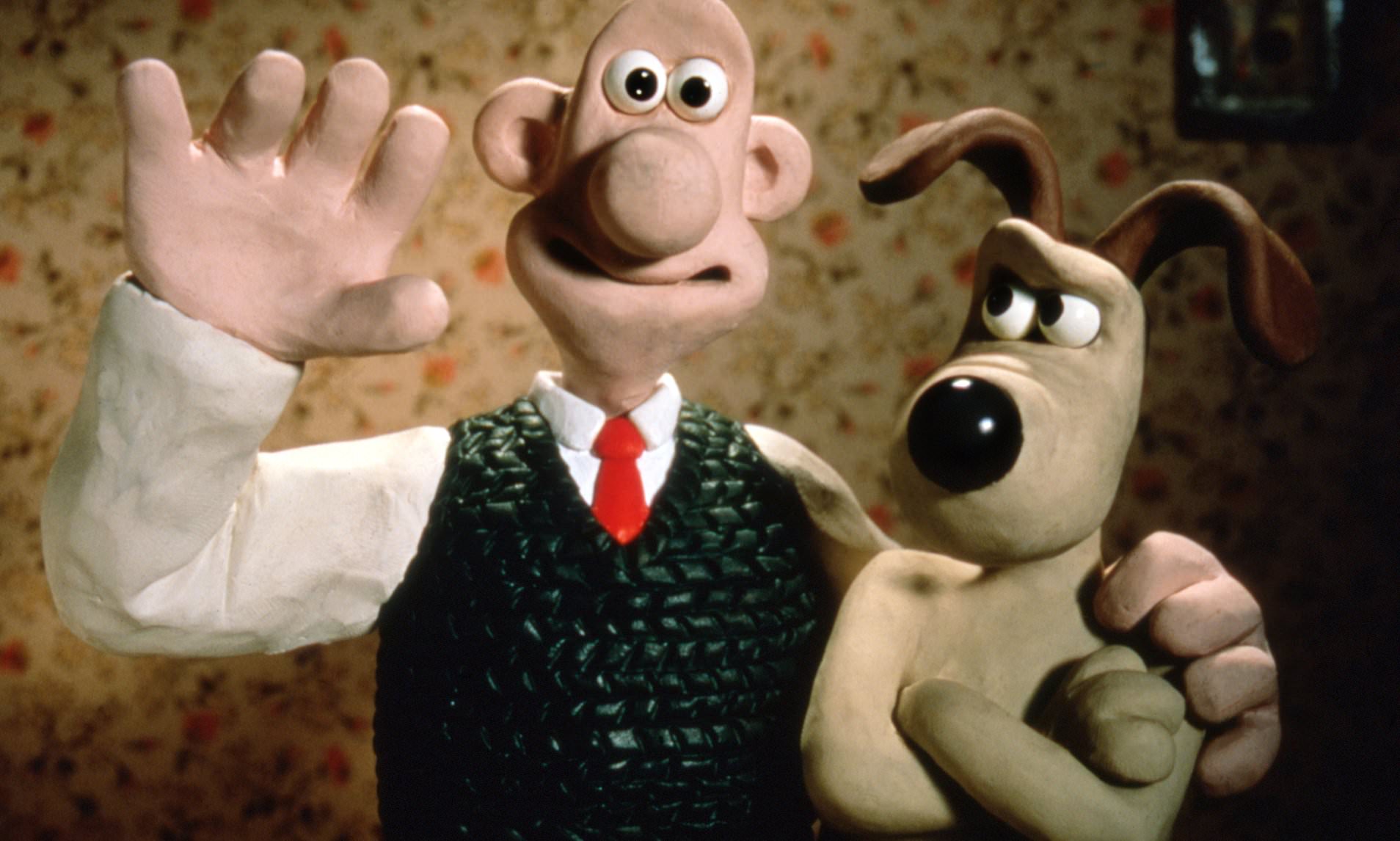
Since their debut in A Grand Day Out in 1989, Wallace and Gromit have captivated audiences with their unique charm and quirky adventures. These beloved characters, brought to life through the tactile art of stop-motion animation, have become a cultural icon. Their creation, with visible thumbprints and intricate details, has touched the hearts of millions around the world.
However, the future of this traditional form of animation is now under threat, according to Nick Park, the creator of Wallace and Gromit. In an interview, Park expressed concerns about the growing influence of artificial intelligence (AI) and its potential to replace the human touch that defines stop-motion animation.
Speaking ahead of the opening of a new exhibition dedicated to his work in his hometown of Preston, Park shared his worries about how AI might affect the industry. He emphasized the importance of the "human touch" in creating the magic that makes stop-motion animation so special. According to him, the clay-based creations of Gromit would not have had the same impact if they were computer-generated.
Despite the increasing use of computer-generated imagery (CGI) in the film industry, the world of Wallace and Gromit continues to be crafted with real materials, using the time-honored technique of stop-motion animation. This method, which involves moving physical objects frame by frame, has been a hallmark of the franchise since its inception.
The rise of AI tools like ChatGPT, which can generate images in seconds, has sparked discussions among experts about the potential risks and benefits of such technology. While there is excitement about the possibilities AI presents, there is also fear about what it could mean for traditional art forms.
Park noted that the fear surrounding AI is accompanied by a sense of wonder. He acknowledged that humans have always embraced technology, even within the context of traditional animation. However, he stressed that the use of real materials like clay and silicon is essential to the charm of the Wallace and Gromit films.
He explained that while the medium may not matter in some respects, it does in others. For instance, Gromit was born out of clay, and Park questioned whether the character would have had the same appeal if it were created using CGI.
A New Chapter for Wallace and Gromit
Wallace and Gromit's latest adventure came in the form of the feature-length production Vengeance Most Fowl, which premiered on the BBC on Christmas Day last year. This film marks another chapter in the long history of the duo, who have been celebrated for their creativity and humor.
Currently, the pair are being honored at The Harris Museum in Preston, where the exhibition runs from Sunday. Visitors can view the models used in the films, along with concept art and early sketches. The exhibition showcases the dedication and craftsmanship that go into creating the world of Wallace and Gromit.
For Park, the opportunity to open the refurbished museum with his own exhibition is a dream come true. He reflected on his childhood in Preston, where the Harris Museum and library were a significant source of inspiration. As a student, he often spent time there, poring over books on animation and art.
The legacy of Wallace and Gromit includes several successful films, starting with the 1993 short film The Wrong Trousers, followed by A Close Shave in 1995. Both won Academy Awards in the best animated short film category. Their first feature-length film, The Curse of the Were-Rabbit (2005), also earned an Academy Award.
As the world continues to evolve, the question remains: will the human touch that defines Wallace and Gromit survive in an age dominated by AI? For now, the charm of the clay-based characters endures, reminding us of the value of traditional artistry in a rapidly changing landscape.


Comments
Post a Comment