NNPCL targets 1.8 million barrels daily by 2025 — Ojulari
Nigeria’s Crude Oil Production Targets and Recent Developments
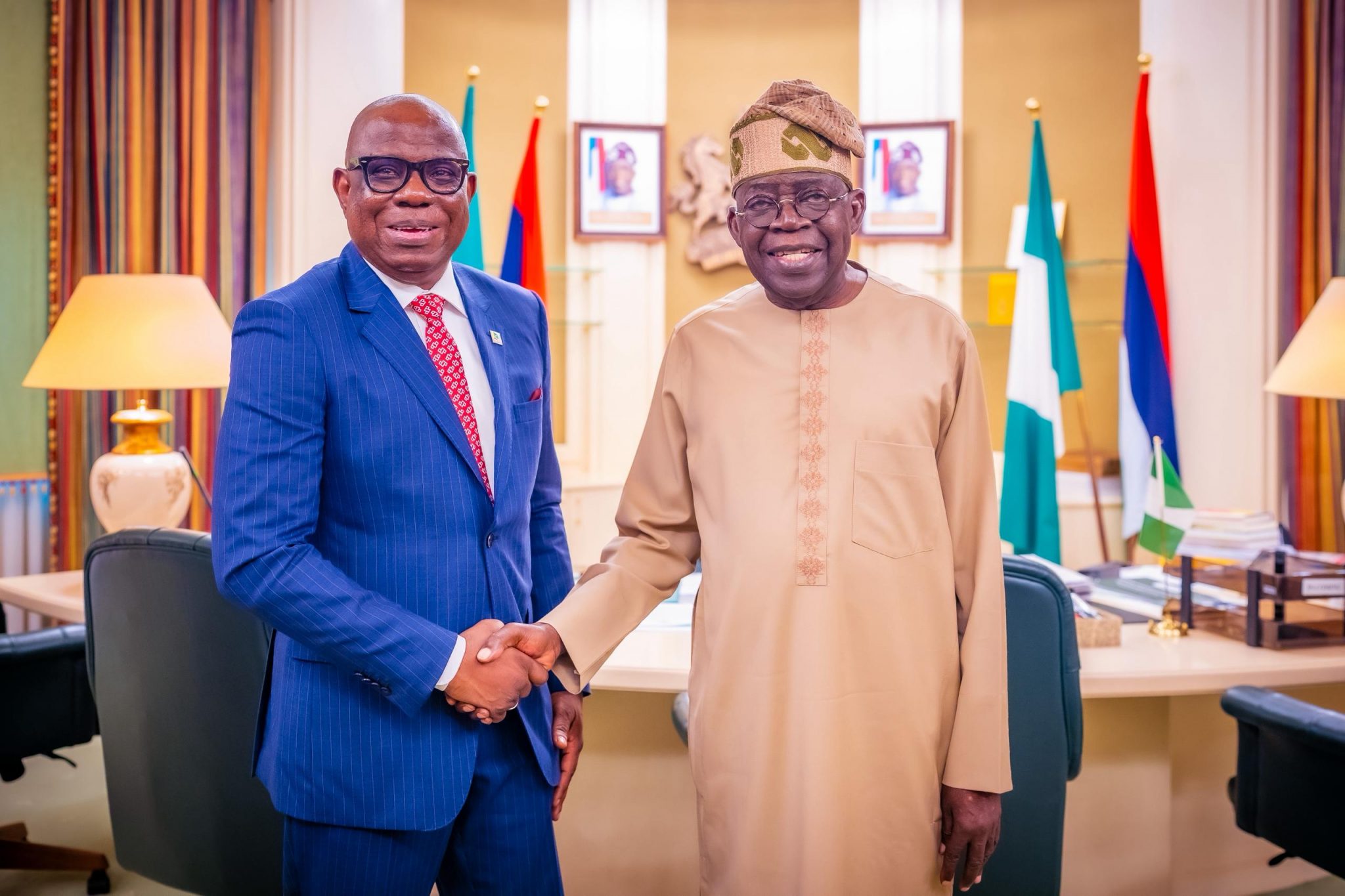
The Nigerian National Petroleum Company Limited (NNPCL) has set ambitious goals to increase the country's crude oil production. The Group Chief Executive Officer, Bashir Ojulari, recently shared insights into the company's progress during an interview with State House correspondents. This conversation took place after a meeting with President Bola Tinubu at the State House in Abuja, where Ojulari provided updates on the company's performance, investment initiatives, and efforts to meet the administration's production targets.
Ojulari highlighted that NNPCL has made significant strides in oil and gas output. In September, the company recorded approximately 1.68 million barrels per day of crude oil, marking the highest level in five years. Additionally, daily gas production reached over seven billion cubic feet, another recent high. These figures reflect the company's ongoing efforts to boost production and enhance energy security across the nation.
The CEO emphasized that President Tinubu has given a clear directive for NNPCL to grow production to at least two million barrels per day by 2027 and up to three million barrels per day by 2030. This target also includes increasing gas output significantly. With the completion of turnaround maintenance in August and September, Ojulari expressed confidence that output would reach at least 1.8 million barrels per day by the end of the year, assuming all conditions remain favorable.
Impact of Industrial Dispute on Production
Ojulari also addressed the recent industrial dispute between the Petroleum and Natural Gas Senior Staff Association of Nigeria (PENGASSAN) and the Dangote Petroleum Refinery. He noted that the strike led to the deferment of over 200,000 barrels of daily production and affected about 1,200 megawatts of power generation.
“The strike was unfortunate, as it disrupted operations at critical facilities. When key staff are unavailable, production suffers. In this case, we lost nearly 200,000 barrels per day of production and experienced a significant impact on power generation,” Ojulari explained.
However, he commended the Federal Government for its swift intervention, which involved the Minister of Labour and Employment, Muhammad Dingyadi, and the National Security Adviser, Nuhu Ribadu. Their efforts helped resolve the crisis, and most of the lost production has since been restored. Ojulari added that oil production is gradually returning to normal levels.
Cooking Gas Price Fluctuations
Regarding the recent increase in cooking gas prices, Ojulari described the situation as temporary and “relatively artificial.” He attributed the price hike to the brief disruption caused by the strike, which lasted about two to three days.
“During this period, there were delays in loading and movement, which some individuals exploited to raise prices. Now that operations have normalized, prices should return to their previous levels,” he assured.
Future Outlook and Challenges
As NNPCL continues to work towards its production targets, the company remains focused on overcoming challenges and ensuring sustainable growth. The successful resolution of the industrial dispute and the restoration of production levels demonstrate the company's resilience and commitment to achieving its goals. With continued investment and strategic planning, NNPCL aims to play a pivotal role in Nigeria's energy sector and contribute to the nation's economic development.


Comments
Post a Comment