Northern Lights, Harvest Moon, and Autumn Stars Light Up the Night Sky This Week
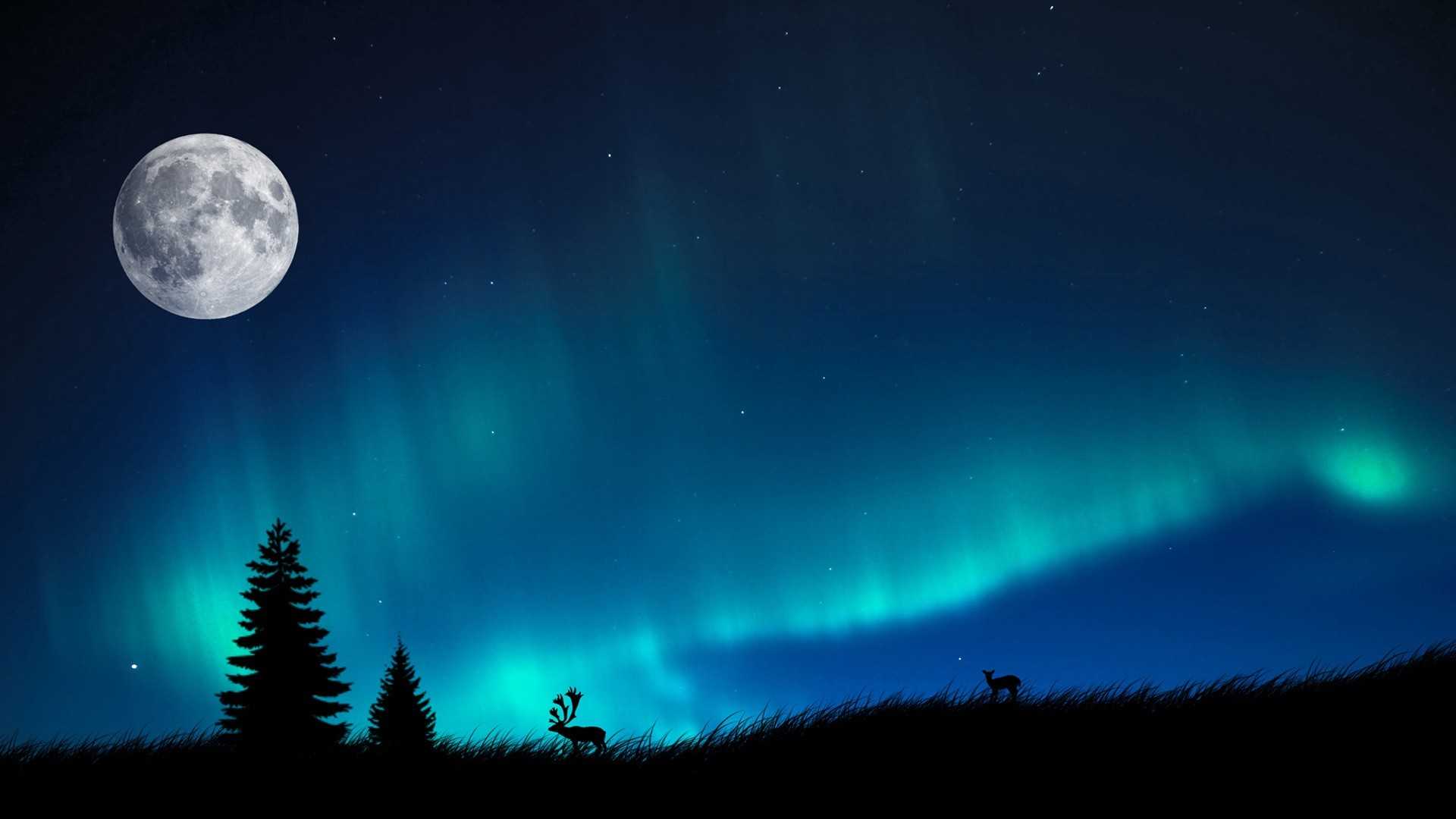
A Celestial Spectacle This Week
Skywatchers around the world are in for a rare and breathtaking celestial event this week. The night sky will be illuminated with a combination of natural wonders, including the radiant harvest moon, the return of the autumn star, and the potential sighting of the northern lights.
Harvest Moon on October 6
On October 6, the full harvest moon will reach its peak brightness, glowing brightly just after sunset. This particular full moon is known as the harvest moon because it occurs near the time of the autumn equinox and provides extra light during the evening hours, which historically helped farmers with their harvests.
Autumn Star: Fomalhaut
A few days before the harvest moon, on October 3, the star Fomalhaut, also known as the "Autumn Star," will rise low in the southern sky. Fomalhaut is one of the brightest stars of the fall season and will appear close to Saturn, enhancing the visual appeal of the evening sky.
Fomalhaut is part of the constellation Piscis Austrinus. It is best visible from mid-northern latitudes during autumn. Observers are advised to look toward the south-southeast horizon shortly after nightfall for the clearest view of this celestial gem.
Northern Lights: Aurora Borealis
In addition to the harvest moon and the autumn star, there is a slight possibility of seeing the northern lights (aurora borealis) in high-latitude regions such as northern Canada, Alaska, Greenland, and northern Scotland. Although no major solar storms are forecast, early autumn often brings heightened geomagnetic activity, which could result in faint auroral displays.
How to Watch the Celestial Events
To spot the Autumn Star, look low in the southern sky after dark from an area with little light pollution. Stargazing apps can help locate Fomalhaut along with nearby Saturn.
For the northern lights, face north in a dark, open area away from city lights. The aurora may first appear as a dim grey glow before shifting to green or purple as eyes adjust. The NOAA three-day aurora forecast provides real-time updates on visibility.
Capturing the View
No telescope is required to witness these celestial events. Both the Autumn Star and auroras can be seen with the naked eye. For photos, use a smartphone in night mode or a DSLR/mirrorless camera on manual settings with a tripod and long exposures. Clear skies, low light, and patience are key to experiencing these sky events.


Comments
Post a Comment