Palace Museum enters its second century as a cultural beacon
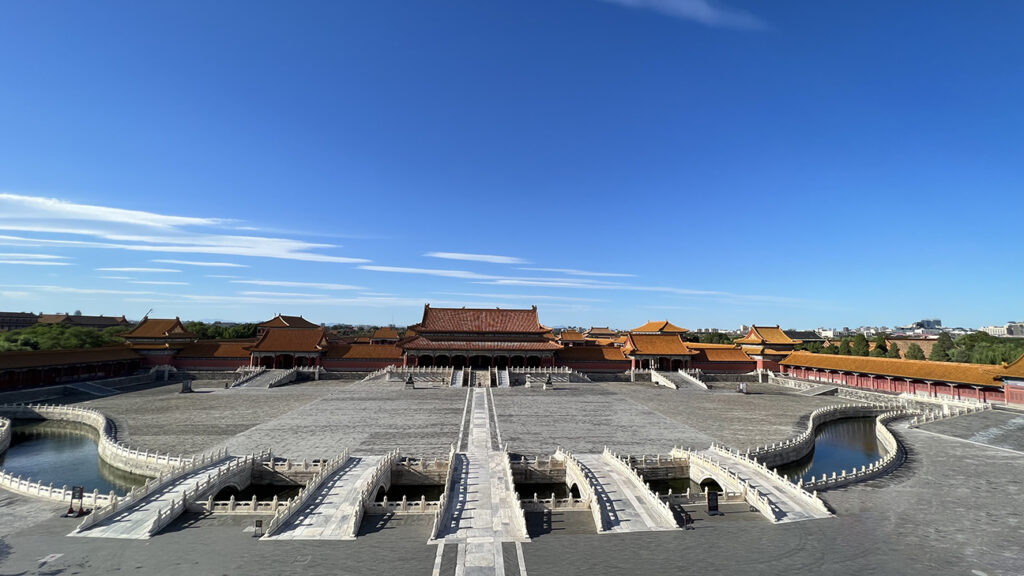
The Legacy of China's Palace Museum
Museums play a crucial role in preserving and presenting history, offering insights that help societies navigate their future. Among the most significant institutions in this regard is China's Palace Museum, which continues to be a vital force in bringing the nation's rich past to life. As it embarks on its second century, the museum has made a remarkable impact, particularly with the establishment of its Hong Kong branch, which has become a game-changer for the city's cultural landscape.
The original Palace Museum was founded on October 10, 1925, within the Forbidden City complex in Beijing. Just a few years after its creation, the museum faced its first major challenge during World War II. To safeguard its collection from Japanese invasion forces, museum staff initiated the world's largest and longest migration of cultural treasures in 1933. This effort involved moving approximately 20,000 crates of priceless relics over a 17-year period.
Remarkably, less than 0.03 per cent of the collection was lost or damaged due to the courageous efforts of museum workers, scholars, soldiers, and ordinary citizens. During this time, some items were even sent for exhibition in London and Moscow, where they played a key role in gaining international support for China.
In 1949, the collection was split when the Nationalist government, facing defeat by the Communists, moved nearly 3,000 crates of artifacts to Taiwan. Since then, Taiwan has operated its own National Palace Museum in Taipei and established a southern branch in Chiayi in 2015. Despite the political tensions between Beijing and Taipei, the museums have occasionally organized exchanges and collaborations, which are seen as important indicators of cross-strait relations.
The survival of the museum and its collections is a powerful symbol of China's resilience. The preservation of relics spanning 5,000 years of Chinese civilization has been a long-standing priority for the nation, especially after the painful loss of heritage during the 1860s when Western forces plundered the capital, and again in 1900.
In recent decades, as many Western nations have reduced their cultural spending, China has significantly increased its investment in museums. This strategy not only helps preserve history but also fosters national pride, promotes people-to-people exchanges, and enhances cultural soft power. These roles are clearly reflected in the Hong Kong Palace Museum, which opened in 2022. Although managed independently, the institutions are often described as "brothers" by their directors, who are currently discussing new loans of priceless artifacts for the coming year.
Hong Kong's facility, proposed by the Beijing museum and funded by the Hong Kong Jockey Club, has attracted visitors from the city, the mainland, and around the world. The Palace Museum's centenary is a milestone that the nation and the global community should celebrate.
Key Milestones in the Palace Museum's History
- 1925: The original Palace Museum is established in the Forbidden City complex in Beijing.
- 1933: A massive relocation of cultural treasures begins to protect the collection from Japanese invasion forces.
- 1949: The collection is divided, with some artifacts moved to Taiwan.
- 2015: A southern branch of the National Palace Museum opens in Chiayi, Taiwan.
- 2022: The Hong Kong Palace Museum opens, becoming a significant cultural landmark in the city.
The Role of Museums in Modern Society
Museums serve as more than just repositories of historical artifacts; they are essential in shaping cultural identity and fostering global understanding. In China, the Palace Museum exemplifies how such institutions can bridge the past and present, while also playing a critical role in international relations and cultural diplomacy.
As the museum continues to evolve, its impact extends beyond the physical walls of its galleries. Through exhibitions, educational programs, and collaborations, it contributes to a deeper appreciation of Chinese heritage and its significance on the world stage.


Comments
Post a Comment