Protests for Health and Education Turn to Mass Arrests in Rabat
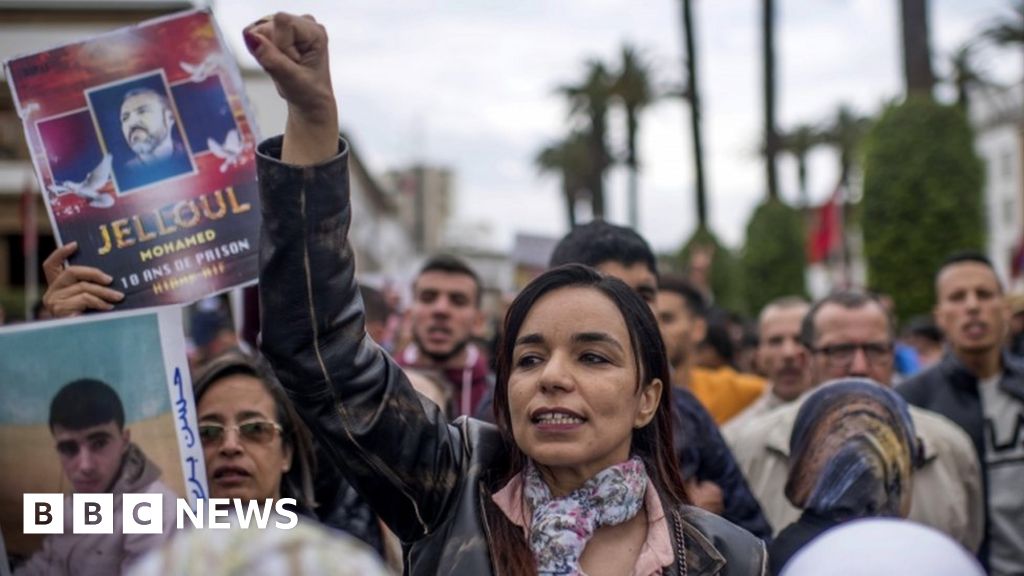
Protests for Health and Education Services in Rabat Turn into Mass Arrests
A wave of public unrest has swept through the city of Rabat, Morocco, as citizens gathered to voice their demands for significant improvements in public health and education services. The demonstrations, which were initially peaceful, took a dramatic turn when law enforcement authorities intervened, leading to a series of mass arrests outside the Parliament building.
The protests were sparked by widespread dissatisfaction among residents who feel that the government has failed to address critical issues within the healthcare and education sectors. Many citizens have expressed frustration over long waiting times at hospitals, lack of medical supplies, and inadequate staffing. Similarly, the education system has been under scrutiny due to overcrowded classrooms, outdated teaching materials, and limited access to quality education in rural areas.
A Call for Change
The demonstrators, mostly young people and local activists, gathered in the heart of Rabat to demand better policies and more investment in public services. They held signs with messages such as "Health for All" and "Education is a Right," highlighting their core concerns. The protest was organized through social media platforms, where participants shared information about the event and coordinated their efforts.
Despite the peaceful nature of the gathering, tensions escalated when security forces arrived on the scene. According to reports, officers used force to disperse the crowd, leading to multiple arrests. The exact number of detained individuals remains unclear, but several witnesses claimed that dozens of protesters were taken into custody.
Government Response and Public Reaction
The Moroccan government has yet to issue an official statement regarding the events. However, some officials have acknowledged the need for reform in both the health and education sectors. In recent months, there have been discussions about increasing funding for public services and implementing new policies to improve accessibility and quality.
Public reaction to the protests has been mixed. While many support the demonstrators' calls for change, others criticize the methods used during the rally. Some argue that the protests should have been conducted in a more controlled manner to avoid clashes with law enforcement. Others believe that the government's response was excessive and undermines the right to peaceful assembly.
Impact on Civil Society
The incident has raised concerns among human rights organizations and civil society groups. These groups have called for an independent investigation into the actions of the security forces and have urged the government to protect the rights of its citizens. They also emphasize the importance of dialogue between the authorities and the public to resolve ongoing issues without resorting to violence.
In the days following the protests, there have been reports of increased police presence in Rabat and other major cities. This has led to fears of further crackdowns on dissent and a potential chilling effect on future demonstrations.
Looking Ahead
As the situation continues to unfold, it remains to be seen how the Moroccan government will respond to the growing demands for reform. The events in Rabat highlight the deep-seated frustrations within the population and the urgent need for meaningful action from policymakers.
For now, the focus remains on the well-being of those arrested and the broader implications of the protests. Whether this will lead to lasting change or further unrest depends on the willingness of the government to listen to the voices of its citizens and take concrete steps toward improvement.


Comments
Post a Comment