Punjab Launches First Anti-Drone Unit
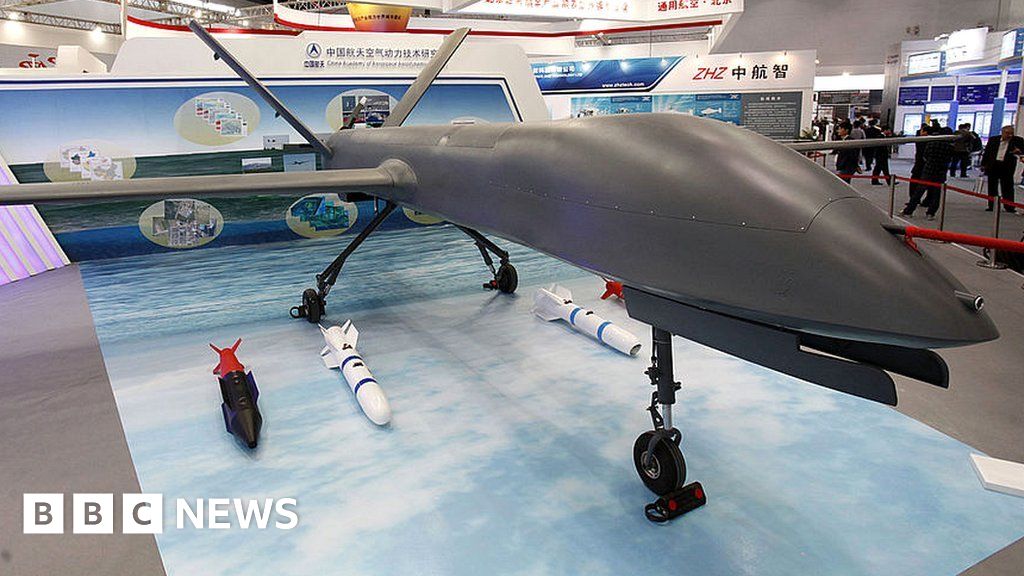
Punjab Government Launches First Anti-Drone Unit
The Punjab government has taken a significant step in enhancing its security infrastructure by announcing the establishment of the first anti-drone unit. This initiative marks a crucial development in the region's efforts to counter the growing threat posed by unmanned aerial vehicles (UAVs). According to official reports, the government has allocated a substantial sum of Rs 3 billion to set up this specialized unit.
The newly formed anti-drone unit is designed to incorporate advanced technologies that will allow for effective detection, neutralization, and interception of drones. The plan includes a combination of radar systems, jamming devices, directed energy weapons, and mobile response teams. Each component plays a critical role in ensuring comprehensive coverage against potential drone-related threats.
Key Components of the Anti-Drone Unit
One of the primary elements of the unit is the deployment of six radar systems. These radars are specifically designed to detect drones operating at low and medium altitudes. This capability is essential as it allows authorities to monitor and track UAVs that might otherwise go unnoticed. By integrating these radar units, the Punjab government aims to create a robust surveillance network that can identify potential threats in real time.
In addition to radar systems, the unit will be equipped with jamming technology. These devices are intended to block the control and navigation signals of drones, effectively rendering them inoperable. This measure is particularly useful in preventing unauthorized drone activity, especially in sensitive areas such as government buildings, military installations, and public events.
Another advanced feature of the unit is the use of directed energy weapons. These systems are capable of targeting and disabling dangerous drones that pose a direct threat. Unlike traditional methods, which may require physical intervention, directed energy weapons offer a more efficient and precise means of neutralizing hostile UAVs without causing collateral damage.
Mobile Response Units
To complement the technological components, the anti-drone unit will also include mobile response teams. These units are responsible for conducting immediate operations and intercepting any drones that manage to bypass the initial detection and jamming systems. The presence of mobile response teams ensures that there is a rapid and coordinated response to any potential security breaches.
This multi-layered approach not only enhances the effectiveness of the anti-drone unit but also provides a flexible and adaptable framework for dealing with evolving threats. The integration of different technologies and operational strategies ensures that the unit is well-prepared to handle a wide range of scenarios.
Implications and Future Outlook
The establishment of the anti-drone unit is a clear indication of the Punjab government’s commitment to maintaining national security and public safety. As drone technology continues to advance, so too must the measures taken to address the associated risks. This initiative reflects a proactive stance in safeguarding critical infrastructure and preventing potential security threats.
Furthermore, the investment in this unit could serve as a model for other regions facing similar challenges. By developing a comprehensive and technologically advanced system, Punjab sets a precedent for how governments can respond to the increasing prevalence of drones in both civilian and military contexts.
Overall, the creation of the anti-drone unit represents a significant milestone in the evolution of security strategies. It underscores the importance of innovation and preparedness in addressing modern threats while ensuring the safety and security of the population.


Comments
Post a Comment