Retro Japan: Hiroshima's Past as a Peaceful Memorial Site
A Historical and Cultural Landmark
Hiroshima, a city known for its tragic past and resilient spirit, is home to the Hiroshima Peace Memorial Park. This park stands as a symbol of peace and remembrance, marking the site of the atomic bombing that occurred on August 6, 1945. The area, once a bustling urban district, has transformed into a place where people come to honor the victims and reflect on the importance of peace.
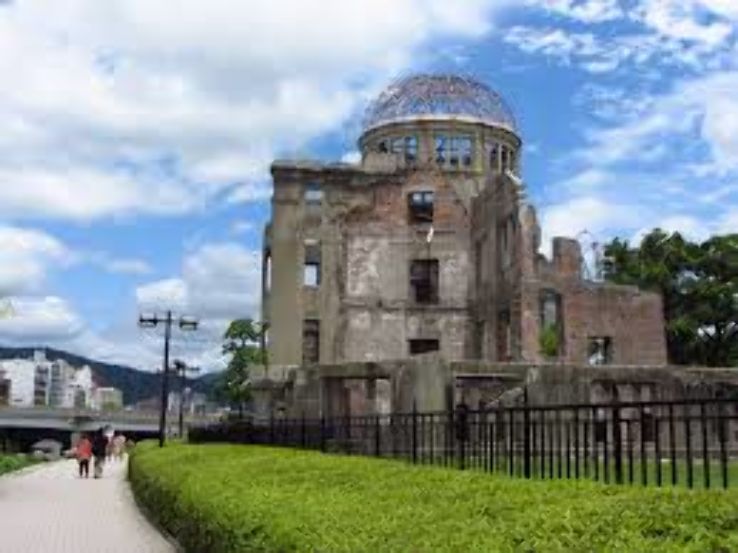
As visitors enter the park, they pass by the Atomic Bomb Dome, an iconic structure that remains as a reminder of the devastation caused by the bombing. Crossing the Motoyasu Bridge leads them to the Peace Flame and the Cenotaph for the A-bomb Victims on the left. These landmarks serve as powerful symbols of the city's commitment to peace and remembrance.
Behind these structures lies the main building of the Hiroshima Peace Memorial Museum, which marks the entrance to the park. The museum, designed by the renowned architect Kenzo Tange (1913-2005), celebrated its 70th anniversary on August 24, 2025. This two-story reinforced concrete structure measures 82 meters east to west and 18 meters north to south. The first floor consists solely of 20 columns, creating an open space beneath the elevated building. The design features louvers on the north and south facades of the second floor, which are its most distinctive traits. In 2006, the building was designated as an important cultural property, recognizing its historical and architectural significance.
Before the atomic bombing, the area around the Peace Memorial Park, including the museum site, was one of Hiroshima's busiest commercial districts. Kenzo Tange envisioned this space as both a tribute to the victims and a declaration of world peace. He aligned Peace Boulevard from east to west with the museum, cenotaph, and Atomic Bomb Dome in a straight line. This north-south vista is called the "axis of peace," with the museum's open first floor also serving as the park's gateway.
Architectural Significance
The design of the Hiroshima Peace Memorial Museum reflects Tange's vision of creating a space that honors the past while promoting a peaceful future. The use of reinforced concrete and the open space on the first floor create a sense of openness and accessibility. The louvers on the second floor allow natural light to filter into the building, enhancing the visitor experience.
Tange's work on the museum is part of a larger effort to rebuild Hiroshima after the devastation of the atomic bombing. His designs for the park and surrounding areas emphasize the importance of unity and resilience. The alignment of the museum, cenotaph, and Atomic Bomb Dome along the "axis of peace" serves as a visual representation of the city's commitment to peace and reconciliation.
Observations from Above
With permission to take photos, a reporter ascended to the rooftop of a hospital south of the park. From there, they observed many people paying their respects to the victims in front of the cenotaph, silently watched over by the Atomic Bomb Dome. This view provided a unique perspective on the significance of the site and the ongoing efforts to preserve its history.
The Hiroshima Peace Memorial Park and Museum stand as a testament to the power of remembrance and the enduring human spirit. They serve as a reminder of the consequences of war and the importance of striving for peace. As the city continues to grow and evolve, the park remains a vital symbol of hope and unity for generations to come.


Comments
Post a Comment