Robot Adoption Depends on Affordable Home Tasks, Experts Note
The Rise of Humanoid Robots in Industry
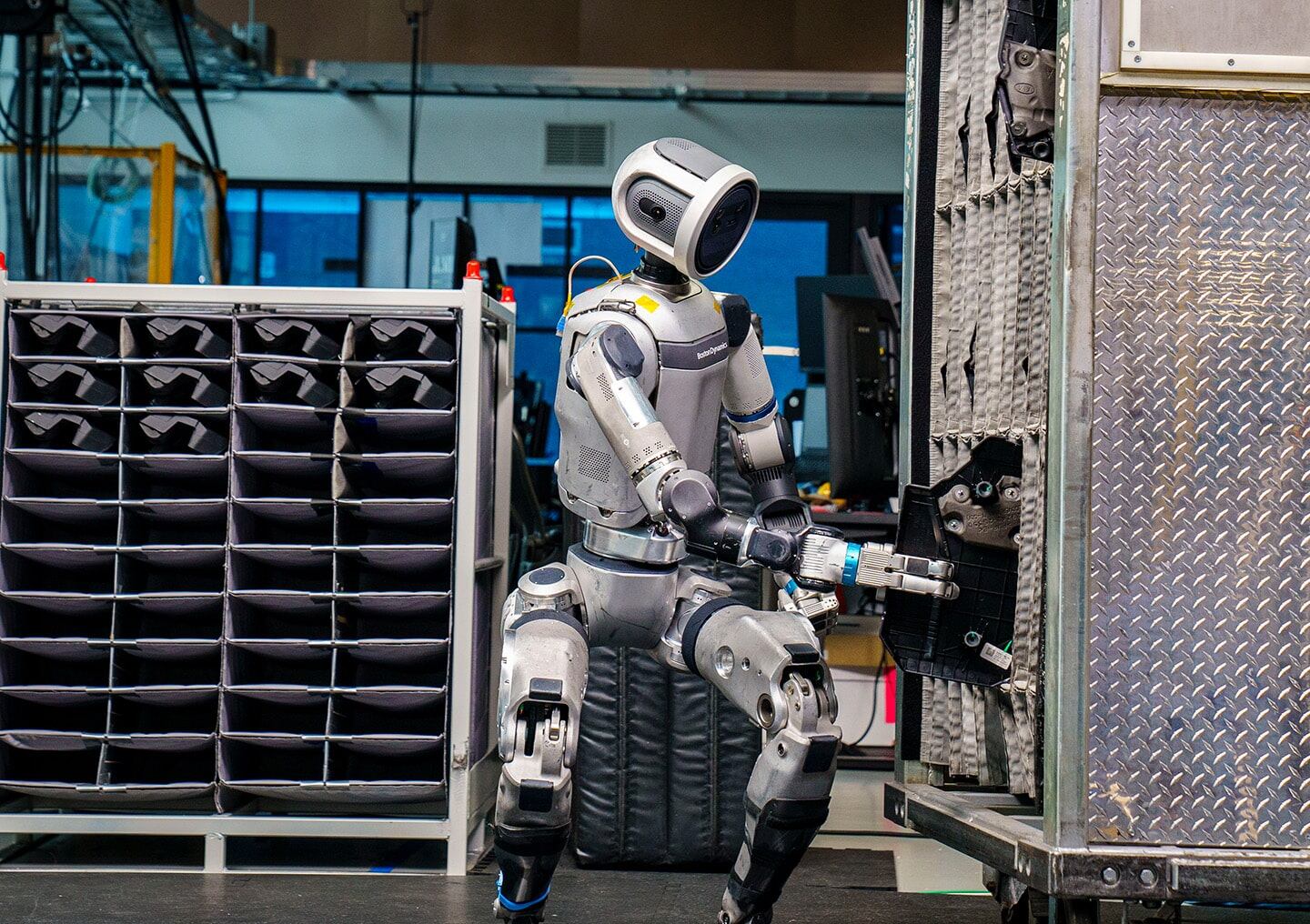
The era where robots move like humans and take over tasks previously done by people is now a reality. Major automotive companies, including Hyundai Motor and Tesla, are already using humanoid robots in their factories, marking the beginning of a new age of automation. This development raises an important question: when will the "popularization of robots"—where these machines transition from industrial settings to everyday life—become a common occurrence?
At a recent lecture titled “SF, Robots, and Humans,” held at the Korea Foundation for Advanced Studies building in Gangnam-gu, Seoul, experts explored the future of robot integration into daily life. The event was organized by the Choi Jong-hyun Academic Foundation and the Korea Foundation for Advanced Studies. Kim Joo-hyung, a professor at the University of Illinois at Urbana-Champaign (UIUC), and Kim Young-jae, a senior researcher at LG Electronics HS Research Center, shared insights, with Professor Kwak Jae-sik of Soongsil Cyber University moderating the discussion.
The Final 1 Meter is Key
Experts highlighted that the widespread adoption of robots depends on their ability to perform tasks that humans typically avoid. Kim Young-jae pointed out that for the market to expand, robots must be able to replace chores such as dishwashing, laundry, and cleaning at an affordable cost. He compared this to how cleaning robots function autonomously once installed, suggesting that similar capabilities need to be developed for other household tasks, such as "washing-drying-folding" and "dishwashing-organizing."
Kim Joo-hyung emphasized that the acceptance of robots in homes will depend on gradual changes in lifestyle and product design. He noted that just as furniture has evolved to accommodate robot use, societal habits will adapt over time. He also mentioned that the development of AI relies heavily on data. While industrial robots can collect vast amounts of data due to continuous operation, household robots still lack sufficient deployment to gather enough learning data. "More robots must be deployed to collect more data, which is essential for robots to gain true 'intelligence,'" he said.
Free Will Belongs to Humans
The conversation extended to the future of robotics research and the role of humans in a world increasingly shaped by machines. Kim Joo-hyung described the difference between humans and robots as "useless movements." He explained that inefficient actions, such as trembling eyes or random gaze shifts, contribute to the naturalness that makes humans unique. He argued that robot research should not only focus on efficiency but also learn from these seemingly unnecessary human behaviors.
Kim Young-jae identified another key distinction: "free will." He stated that the ability to reject pre-programmed instructions and act independently is a trait unique to humans. While AI and robots may replace many aspects of human work, the final treasure of free will remains with people. "Humans have the power to choose, and that choice is what defines us," he concluded.


Comments
Post a Comment