Russian Drones and Jets Violate NATO Airspace Repeatedly
Escalating Tensions in Europe: Drone Incursions and Military Aircraft Violations
Recent days have seen a sharp increase in tensions across Europe as Russian unmanned aerial vehicles (drones) and fighter jets have repeatedly violated the airspace of NATO member states. These incidents have raised concerns about the stability of the region and the potential for further escalation. The involvement of large drones over major airports and military bases has led to disruptions in air traffic, while military aircraft have experienced GPS signal jamming during flights. Such actions have occurred up to six times this month alone, prompting a strong response from NATO and its member countries.
On the 24th, drones were spotted over at least five locations, including Denmark’s Aalborg Airport and Skrydstrup Air Force Base, leading to temporary closures of some facilities. This incident followed similar sightings over Copenhagen and Oslo two days earlier, which disrupted air traffic. On the same day, a military aircraft carrying Spain’s defense minister en route to Lithuania experienced GPS signal jamming near Kaliningrad, an exclave territory of Russia. Spain has since deployed an air force contingent to the Šiauliai Base in Lithuania to respond to the ongoing activities of Russian military aircraft over the Baltic Sea.
Despite the lack of clear confirmation of the circumstances surrounding these incidents, European countries suspect Russia as the perpetrator. Danish Prime Minister Mette Frederiksen noted that “the possibility of Russian involvement cannot be ruled out.” The pattern of these events has led to speculation that Russia is testing NATO’s response posture, with some analysts warning of potential future escalations.
Continued Intrusions into NATO Airspace
Russian military aircraft have continued to intrude into the airspace of NATO member states. On the morning of the 10th, over 20 Russian drones violated airspace over eastern Poland, leading Polish and NATO fighter jets to shoot down three to four of them. This marked the first time since NATO's establishment in 1949 that Russian military aircraft were shot down within NATO airspace. On the 13th, a Russian attack drone entered Romanian airspace, prompting Romanian Air Force F-16 fighters to intercept it. Then, on the 19th, three Russian MiG-31 fighter jets intruded into Estonian airspace for approximately 12 minutes.
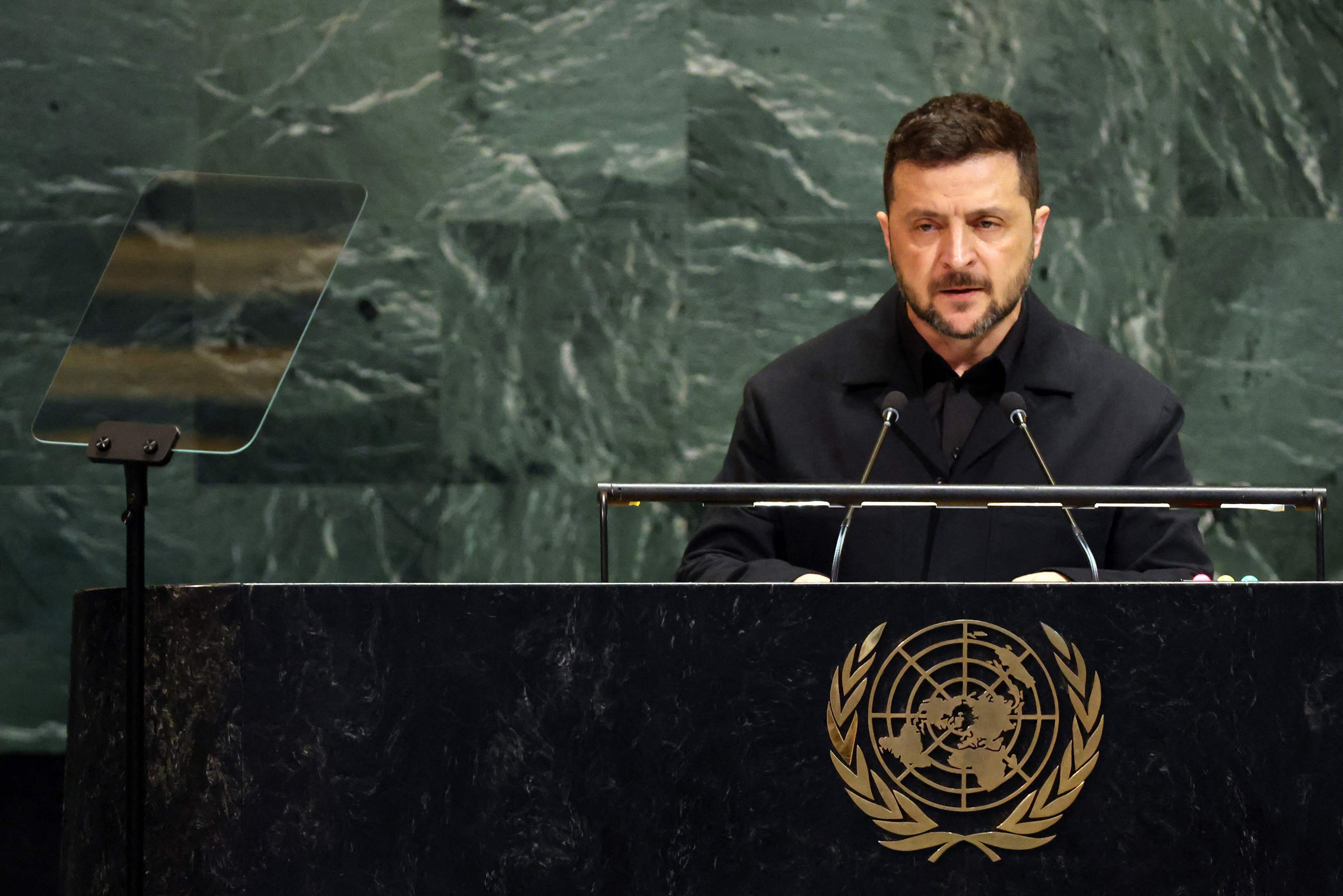
Ukrainian President Volodymyr Zelenskyy warned during his UN General Assembly speech on the 24th that “Russian drones are already flying across all of Europe.” He highlighted recent cases of Russia violating the airspace of Poland, Romania, Estonia, and others, stating that “Russian President Vladimir Putin is expanding and continuing the war.” Zelenskyy added that “now, no one in Europe can guarantee their safety.”
NATO's Response and Internal Divisions
In response to the escalating situation, NATO convened the North Atlantic Council (NAC), its highest consultative body among member states, and issued a strong warning. Through a statement, the NAC demanded, “Russia must immediately cease its reckless airspace violations,” adding, “NATO will take deterrence measures using all military and non-military means.” NATO Secretary-General Mark Rutte also held a press conference, emphasizing that “we will not overlook the recurrence of Russia’s dangerous behavior, whether intentional or not.”
However, NATO member states remain divided on how to respond. Polish Prime Minister Donald Tusk stated that if airspace is threatened again, they will respond with shoot-downs. Countries on NATO’s eastern front, such as Latvia and Lithuania, have also called for a strong response. On the other hand, Germany, Finland, and others argue that “immediate shoot-downs would fall into Putin’s escalation strategy” and advocate avoiding hasty use of force. U.S. President Donald Trump answered “yes” when asked if Russian military aircraft violating NATO airspace should be shot down, but he avoided a direct answer when asked if the U.S. is willing to support shoot-downs, saying, “It depends on the situation.”
Russia's Denial and Strategic Intentions
Russia has categorically denied responsibility for the incidents. It claimed, “Our drones have a maximum flight range of no more than 700 km and cannot reach the Polish border,” or “Russian military aircraft flew along pre-agreed routes and did not violate Estonian airspace.” Regarding the incident where drone sightings halted Danish airport operations, Russia denied involvement, stating, “There is no reason to escalate tensions with Europe.” It appears that Russia is feigning ignorance and observing the chaos unfolding within NATO.
Western security experts analyze that “Russia is attempting to probe NATO’s response time, engagement rules, and command and control procedures.” This is seen as a deliberate operation to assess NATO’s response posture with the possibility of escalation in mind. The AP analyzed, “There is a possibility that Russia has mixed electronic warfare drones and low-cost drones to disrupt NATO’s air defense network and collect response patterns.”
Economic and Strategic Implications
Analyses suggest that Russia aims to shift Europe’s focus from Ukraine to its own defense, thereby weakening military support such as air defense systems. European media have pointed out that “F-35 fighter jets worth tens of millions of dollars are being deployed to intercept drones costing tens to hundreds of thousands of dollars,” calling it a “low-intensity provocation intended to make Europe spend exorbitant costs.” The Guardian and others noted, “If civilian infrastructure like airports continues to face disruptions, public discontent will grow,” adding, “Russia is trying to accumulate cracks and fatigue within NATO.”


Comments
Post a Comment