Singapore's Skyline Rivalries Turn Deadly—Can Mediation Save the Day?
A Growing Concern Over Noise Disputes in Singapore
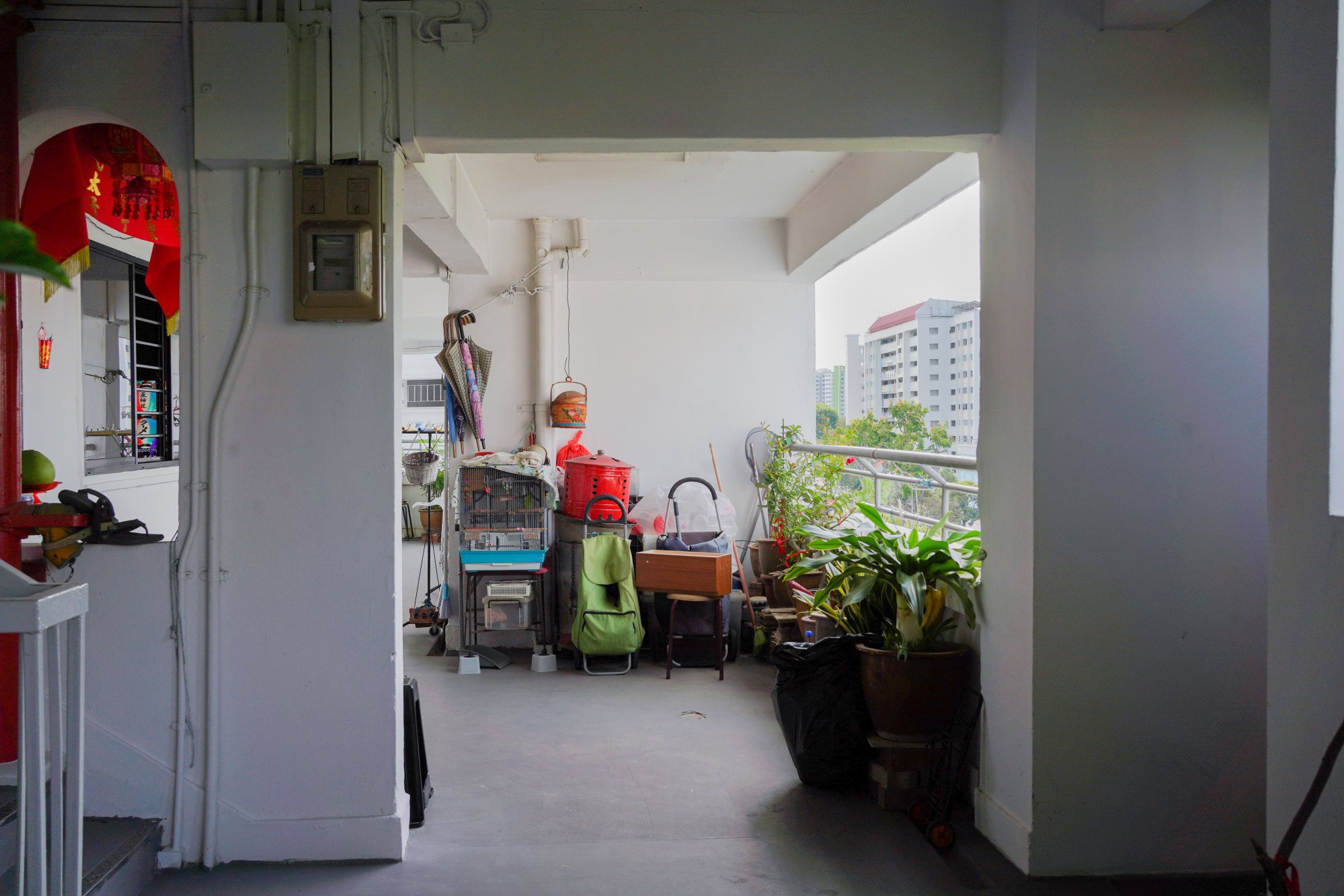
Pang Kok Meng, 65, lives with his 91-year-old mother in a public housing flat in Geylang, a densely populated area in central Singapore. For over a decade, he has been involved in a long-standing dispute with a neighbor living one floor below. The conflict began over what seems like minor disturbances—such as the sound of high heels or objects dropping on the floor—but has escalated into daily confrontations.
"Whenever there's a little noise—like if someone's high heels make clacking sounds, or if I drop something on the floor—he retaliates by banging on his ceiling," Pang explained. "He does it every day, from day to night, and it scares my mother to tears."
This kind of situation is not unique to Pang. According to a joint statement issued by the law and national development ministries on September 27, Singapore saw an average of 2,500 noise-related reports per month in the first half of the year. This has sparked a broader conversation about the effectiveness of current rules and enforcement measures for community disputes.
The Impact of Long-Lasting Conflicts
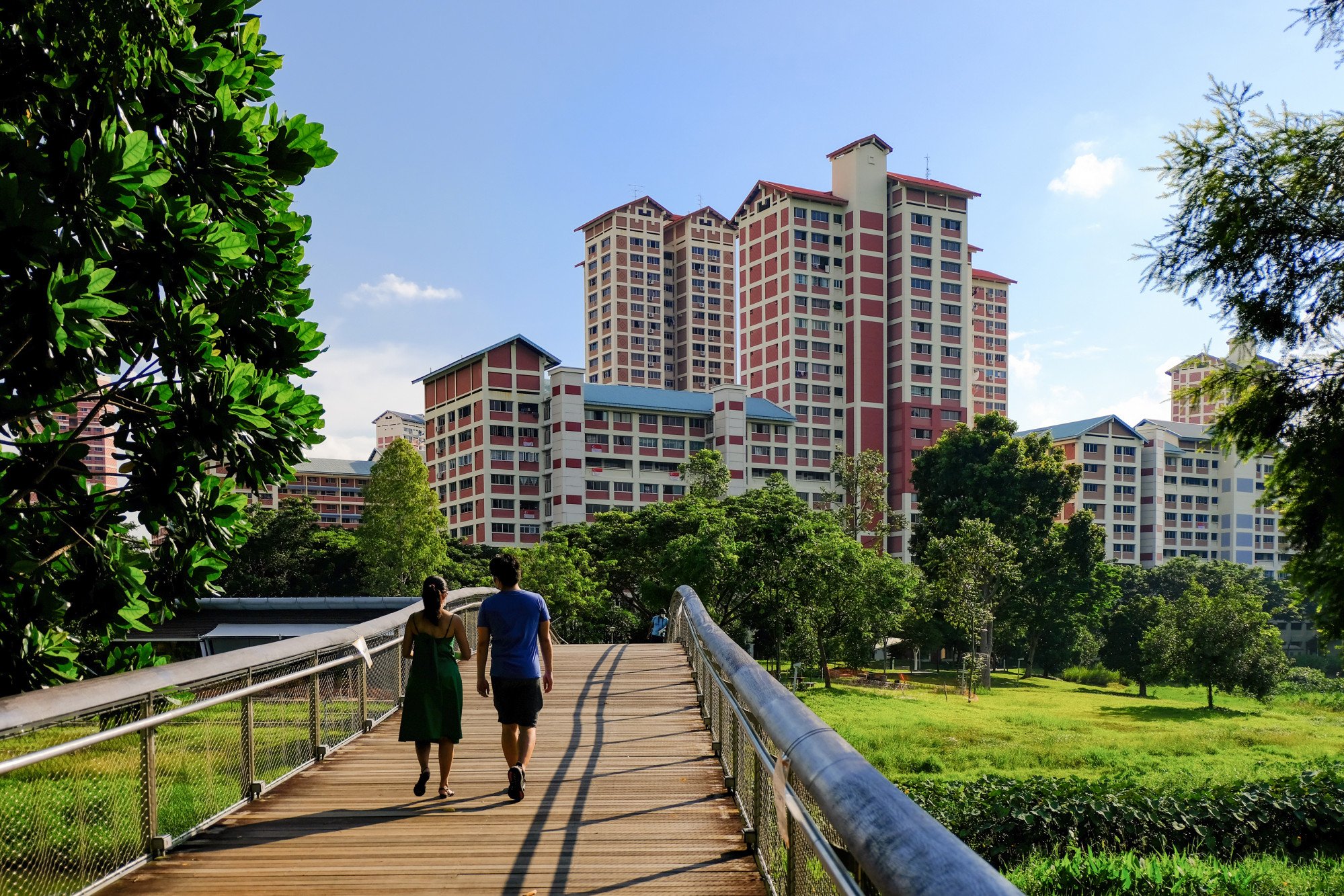
Singapore’s population is predominantly composed of people living in public flats, a high-rise model introduced in the 1960s due to limited land and a growing population. These housing units foster close proximity among residents, which can sometimes lead to friction.
Pang's concerns have grown after hearing about a recent tragic incident in Yishun, where a man allegedly killed a mother of two over a long-standing noise dispute involving the victim's children. Koh Ah Hwee, 66, was charged with murder last month after allegedly stabbing Nguyen Phuong Tra, 30, to death in a communal corridor of their flat block. Neighbors reported that the two households had been at odds for years.
"When I read about the incident, I felt so worried. I'm scared that he will snap one day," Pang said of his own neighbor.
Despite multiple attempts to resolve the issue—including appeals to local members of parliament, police reports, and a court case in 2015—Pang’s neighbor continued the disturbances. Although ordered to pay S$500 (HK$3,000) and cease any intentional banging, the problem persisted. Pang now calls for stronger enforcement, such as eviction orders for severe and long-running noise feuds.
"I don't have the bandwidth to hire another lawyer," he said. "I feel so helpless, I'm suffering in silence."

Greater Enforcement?
The Yishun murder case has reignited discussions about whether Singapore's existing framework for managing community disputes lacks sufficient enforcement measures. The government promotes an amicable approach, encouraging residents to seek help from community leaders and participate in free mediation sessions.
However, less than 30% of cases filed at a center for community mediation proceed to mediation, according to the government statement. This is largely due to one party's unwillingness to participate. From January to August this year, only 166 mediation sessions were held out of 1,106 disputes between neighbors registered with the center.
In the Yishun case, Nguyen had applied for mediation, but Koh did not accept the invitation. In response, Singapore's parliament passed amendments to a bill on community dispute resolution in November last year. These include the formation of a unit to investigate serious noise complaints, with authority to deploy noise sensors, issue directives requiring attendance at mediation, and hand out abatement orders.
Those found guilty of failing to attend mediation could face fines of up to S$1,500, while those who do not comply with abatement orders risk fines of up to S$10,000. The unit is currently being piloted in the eastern estate of Tampines.
William Wan, chairman of the Community Advisory Panel on Neighbourhood Noise, believes the revised law is likely sufficient to curb disputes, as both mediation attendance and outcomes would now be enforceable.
Building Civic-Mindedness
Residents of Singapore are generally accustomed to living in high-density public housing and have established certain social norms, including the acceptance of racial and religious practices. However, experts suggest that other factors, such as the diverse age groups in new estates and the limited integration of new citizens, can hinder social cohesion.
George Wong, an assistant professor of sociology at Singapore Management University, identified the increasing diversity of lifestyles and ideas about what homes should be used for as potential sources of friction. "Some people might view their house as a place to lead their ideal life and build a music studio at home, and many play pickleball, which produces sharp sounds," he said.
"These are things that neighbourhoods have not conventionally accepted, unlike getai [live stage performances] during the Hungry Ghost Festival," he added. "They don't seem to fall in the social contract that comes with living in public housing, so there's no common consensus on how to deal with them."
Chua Beng Huat, a sociologist and emeritus professor at the National University of Singapore, noted that the increasing number of unmarried flat owners could also challenge social cohesion. Singles, especially professionals, often build their social networks at the workplace or in bars and restaurants.
The Role of Urban Planning
Khoo Peng Beng, head of the architecture and sustainable design pillar at the Singapore University of Technology and Design, suggested that urban planners could encourage social interaction and mental wellness through design. For example, creating community spaces near green areas and ensuring blocks receive ample daylight and natural ventilation could enhance quality of life.
Ultimately, the responsibility for harmonious neighbourly relations lies with residents themselves, according to Chua. "Living in high-rises requires a high degree of voluntary civic consciousness and responsibility. Without that, neighbouring relations are impossible."


Comments
Post a Comment