Solar Railway and EV Parking Innovations Get Regulatory Green Light
Innovative Projects to Drive Future Energy and Mobility
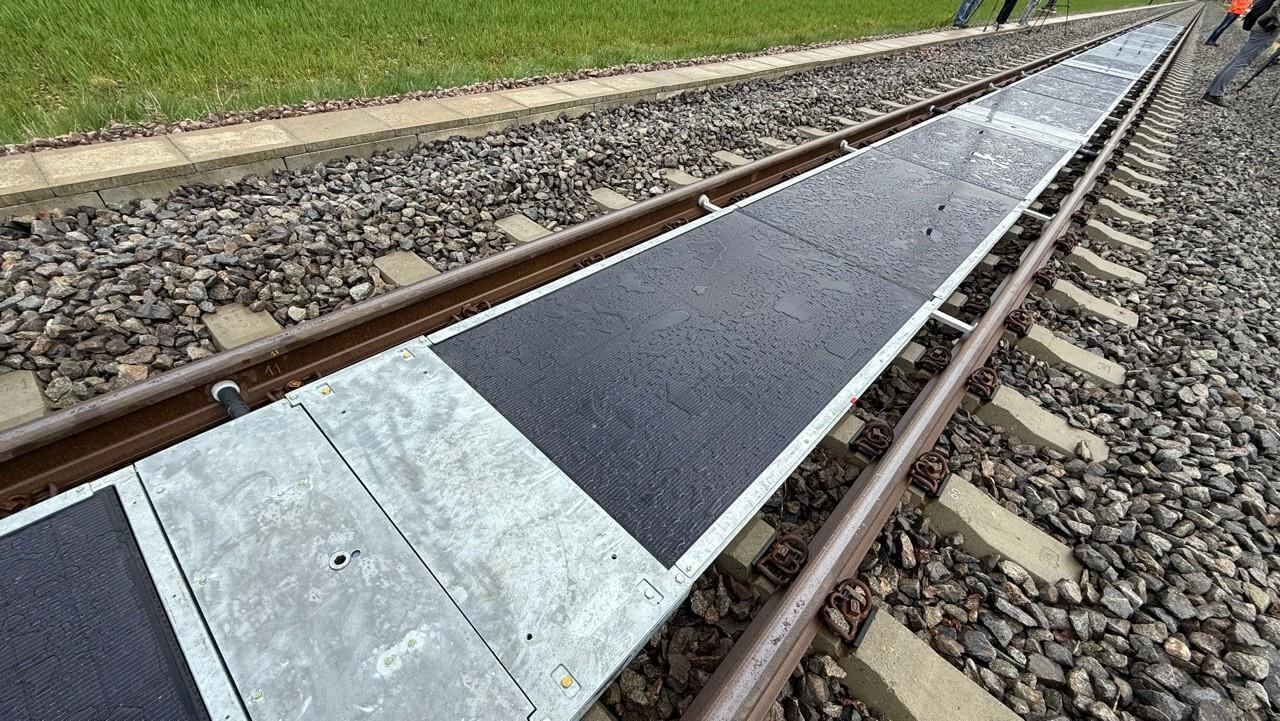
The integration of renewable energy and advanced technology is reshaping the landscape of transportation and infrastructure. One of the most promising developments involves the installation of solar panels on railway tracks, which will generate electricity during periods when trains are not in operation. This initiative represents a significant step toward sustainable energy production and efficient resource utilization.
In addition to this, a new concept known as a "mechanical parking lot for electric vehicles" is gaining traction. These facilities will be equipped with automatic charging systems and early fire suppression technology, making them safer and more convenient for users. The government has taken a proactive approach by temporarily lifting regulations that previously hindered such projects, allowing businesses to experiment and innovate within a controlled environment.
Regulatory Sandbox Enables Technological Experimentation
The Ministry of Trade, Industry and Energy recently convened the "3rd Industrial Convergence Regulatory Special Case Deliberation Committee" on the 25th. During this meeting, the committee reviewed and approved 40 regulatory sandbox tasks across various sectors, including artificial intelligence (AI), robotics, and energy. The regulatory sandbox system allows new technologies to be tested under specific conditions—such as limited time frames or designated locations—without being immediately subjected to full regulatory compliance. This framework enables innovations to be verified and refined before they are introduced to the broader market.
One of the standout projects approved under this initiative is the "electricity-generating railway" project. The Korea Railway Solar Power Generation Project aims to produce and supply power by installing carpet-type solar panels on railway tracks. Previously, this business model was not feasible due to the lack of detailed standards for railway solar panels. However, with the recent regulatory adjustments, companies like industrial machinery firm DW Innovate and electric vehicle charging startup Geek Toy V can now demonstrate a mechanical parking system that automatically moves electric vehicles to charging spaces via mobile apps. This system also includes advanced fire prevention facilities.
Under existing laws, mechanical parking lots have strict weight restrictions for entering vehicles, and there are no established safety standards for electric vehicle charging. These limitations made it challenging to construct specialized parking facilities for electric vehicles. However, with the new regulatory flexibility, these barriers are being addressed, paving the way for more innovative solutions in urban mobility.
Expanding the Scope of Innovation
Beyond the railway and parking initiatives, the ministry also approved the demonstration of AI-equipped bipedal humanoid robots in industrial settings. These robots could revolutionize manufacturing and logistics by performing complex tasks with greater efficiency and precision. Additionally, the use of synthetic data—generated from real driving footage—is being explored as a method to train autonomous driving AI models. This approach offers a safer and more scalable alternative to traditional data collection methods, reducing the risks associated with real-world testing.
These developments reflect a broader shift in policy, where governments are increasingly supporting technological experimentation through flexible regulatory frameworks. By creating space for innovation, policymakers are enabling industries to test new ideas, refine their applications, and ultimately bring transformative solutions to market.
As these projects move forward, they have the potential to redefine how energy is generated, stored, and used in modern infrastructure. With continued investment and collaboration between public and private sectors, the future of sustainable and intelligent transportation looks more promising than ever.


Comments
Post a Comment