South Koreans Miss 1.2M in Retirement Savings
South Koreans’ Retirement Expectations and Financial Realities
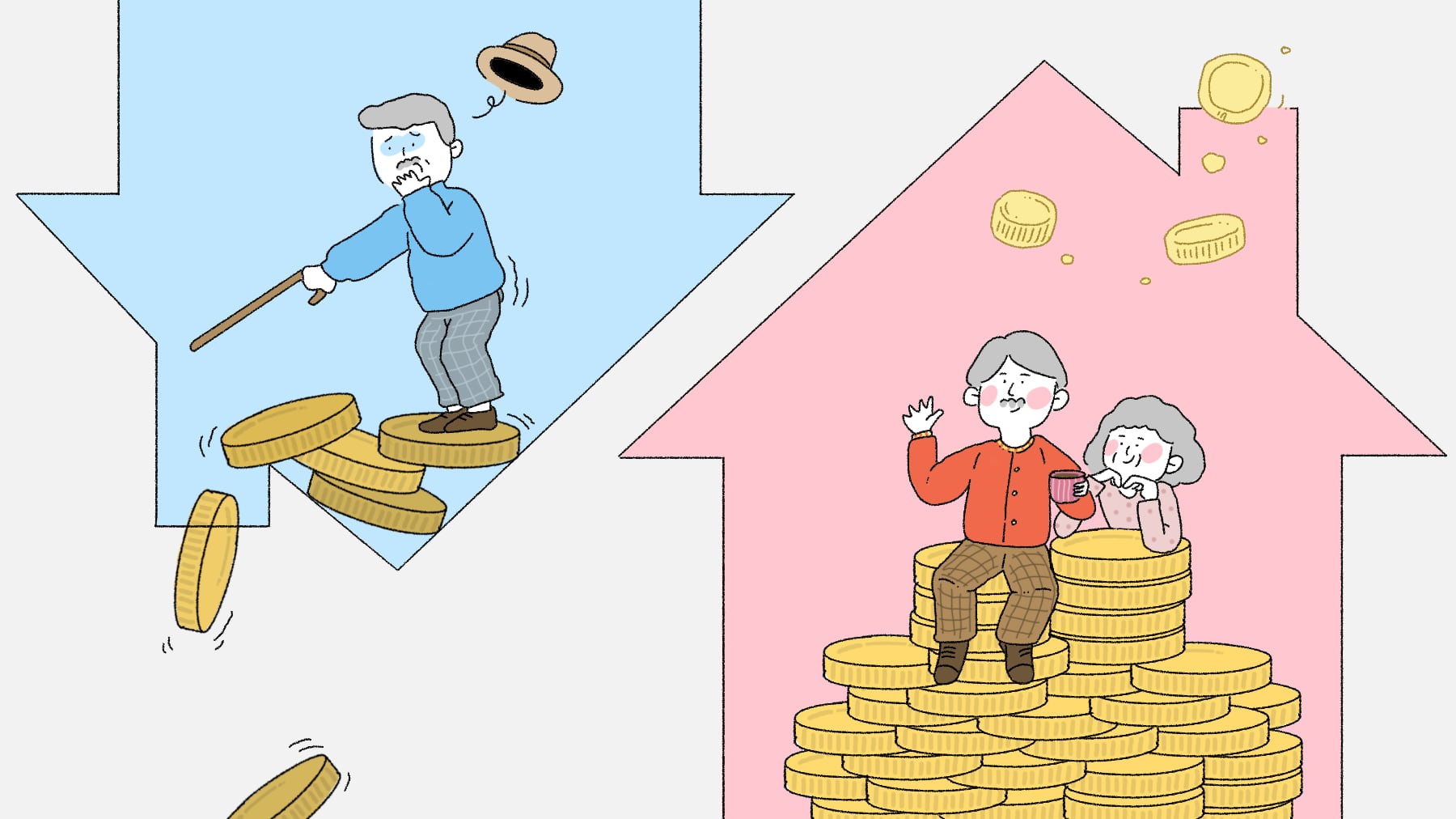
South Koreans have a clear idea of what they believe is necessary for a comfortable retirement. According to a recent survey, the average monthly income required for a satisfactory retirement is 3.5 million Korean won. However, the reality is quite different—most households can only expect to secure around 2.3 million Korean won per month for their retirement needs.
This information was revealed in the ‘KB Golden Life Report’ by the KB Financial Group’s Management Research Institute. The report was based on a nationwide survey of 3,000 individuals aged between 25 and 74, conducted in June. The survey highlights a significant gap between what people think they need and what they realistically can afford.
Respondents identified 3.5 million Korean won as the ideal amount to cover expenses such as travel, leisure activities, and support for grandchildren. However, when considering current income, expenses, and savings capacity, they estimated that only 2.3 million Korean won would be available each month. This is still below the minimum living cost they believe is necessary, which stands at 2.48 million Korean won.
Retirement Age and Preparation Trends
Interestingly, non-retired respondents expressed a desire to retire at the age of 65. However, those who are already retired tend to do so much earlier—on average at the age of 56, which is nine years before their intended retirement age. This suggests that many people are forced into early retirement due to financial constraints rather than personal choice.
The average age at which individuals begin preparing for retirement is 48. This leaves only eight years between the start of preparation and actual retirement. This short timeframe raises concerns about whether individuals are adequately prepared for the financial demands of retirement.
When asked about the most important factors for a happy retirement, health was cited as the top priority by 48.6% of respondents. Economic stability followed closely, with 26.3% of participants considering it the second-most important factor. Despite this, only 19.1% of respondents felt that their retirement preparations were “well underway,” while 15.2% had no economic plans at all for their retirement years.
Sources of Retirement Income
Pension systems play a major role in funding retirement in South Korea. Over 60% of retirees rely on pensions as their primary source of income. These include national pensions, retirement pensions, private pensions, and housing pensions. On average, households hold 2.9 different types of pensions, and 53.8% of them also subscribe to private pension plans.
Despite the importance of real estate in South Korean households—accounting for 75% of total assets—preparations involving property remain cautious. Only 32.3% of households are willing to participate in housing pension programs. While 59.7% of respondents expressed interest in “downsizing” their homes to fund retirement expenses, they prefer to make this move in their 70s rather than earlier.
Expert Insights
Hwang Won-kyung, head of the KB Financial Group’s Management Research Institute, highlighted the growing concern over retirement readiness in South Korea. He pointed out that the country has entered a super-aged society, but despite the awareness of the need for retirement planning, economic preparations remain insufficient.
This situation underscores the urgent need for better financial education and more comprehensive retirement planning strategies. As life expectancy increases and traditional employment models change, individuals must take proactive steps to ensure they can maintain their standard of living during retirement. Without proper planning, many South Koreans may find themselves facing financial challenges in their later years.


Comments
Post a Comment