Sudan Calls on UN to Aid Millions Returning Home
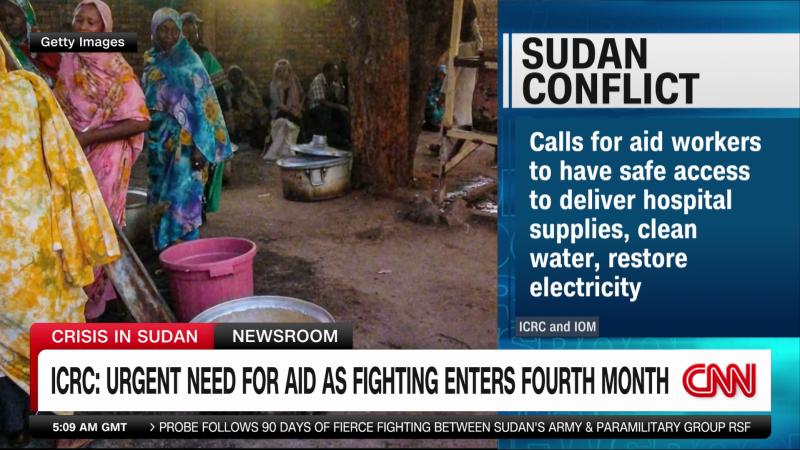
Sudan Calls for International Support to Aid Returnees
Sudan has urgently requested assistance from United Nations agencies to support 2.2 million people who have returned to their homes in areas recaptured by the army from paramilitary forces, according to a statement made by the country’s representative in Geneva.
The returnees include 1.7 million internally displaced individuals and others who have come back from neighboring countries such as Egypt, South Sudan, and Chad. This comes after the army regained control of key regions including Khartoum, Sennar, and Al Jazirah states.
Ambassador Hassan Hamid addressed this issue during a briefing organized by the U.N. Office for the Coordination of Humanitarian Affairs (OCHA). The event also involved the U.N. refugee agency (UNHCR), the International Organization for Migration (IOM), and Doctors Without Borders (MSF).
Hamid emphasized that the government is currently working to meet the immediate needs of returnees, including access to basic services. He called on humanitarian organizations to implement urgent projects, highlighting that government priorities involve restoring essential services, rehabilitating facilities damaged by the paramilitary Rapid Support Forces (RSF), and preparing for more returnees.
Since the army retook full control of Khartoum state in May, efforts have been focused on restoring water, health, and education services while rebuilding infrastructure, including the capital’s international airport.
Approximately 815,000 people have already returned to Khartoum, with an estimated 2.9 million more expected to follow, according to the government.
Addressing Health Crises and Blockades
Hamid also urged international bodies to support the Ministry of Health’s efforts to combat a dengue fever outbreak, citing the “systematic destruction” of the health sector. He criticized the RSF for using siege and starvation as weapons to kill or displace civilians, despite international appeals, including U.N. Security Council Resolution 2736.
The Security Council resolution demands that the RSF lift its siege on El Fasher in North Darfur, which has been in place since April 2024. The blockade has cut off food and medicine to the city, which still shelters more than 260,000 civilians.
Additionally, Hamid stated that the RSF and the Sudan People’s Liberation Movement-North (SPLM-N) are jointly blockading Dilling and Kadugli in South Kordofan state, preventing almost all aid from reaching the two cities.
Ongoing Challenges and Needs
The situation remains dire, with many returning families facing significant challenges in accessing basic necessities. The government continues to prioritize the restoration of critical infrastructure and services to support these communities.
Humanitarian organizations are being called upon to play a vital role in addressing the urgent needs of the population. This includes not only providing immediate relief but also supporting long-term recovery and development initiatives.
As the conflict continues, the need for international cooperation and support becomes increasingly critical. The plight of the displaced and returning populations highlights the importance of sustained efforts to ensure their safety, well-being, and future stability.


Comments
Post a Comment